What to Plant Next to Steps for a Stunning and SEO Friendly Garden Path
Planting the right companions next to steps can transform a plain staircase into a flowing garden feature while solving practical challenges.
Whether your steps are made of stone, wood, or concrete, choosing suitable plants helps with erosion control, adds visual interest, and creates a welcoming transition between hardscape and landscape.
Understanding the Conditions Next to Steps
The area beside stairs often has unique growing conditions due to reflected heat, altered drainage, and foot traffic, so success starts with careful observation.


Look at how much sun the spot receives, whether it stays damp after rain, and what direction the wind usually comes from before selecting plants.
Evaluating Sun and Shade Patterns
Steps set into a southern wall may get intense afternoon heat, while north-facing stairs often stay cooler and shadier, influencing which plants will thrive.


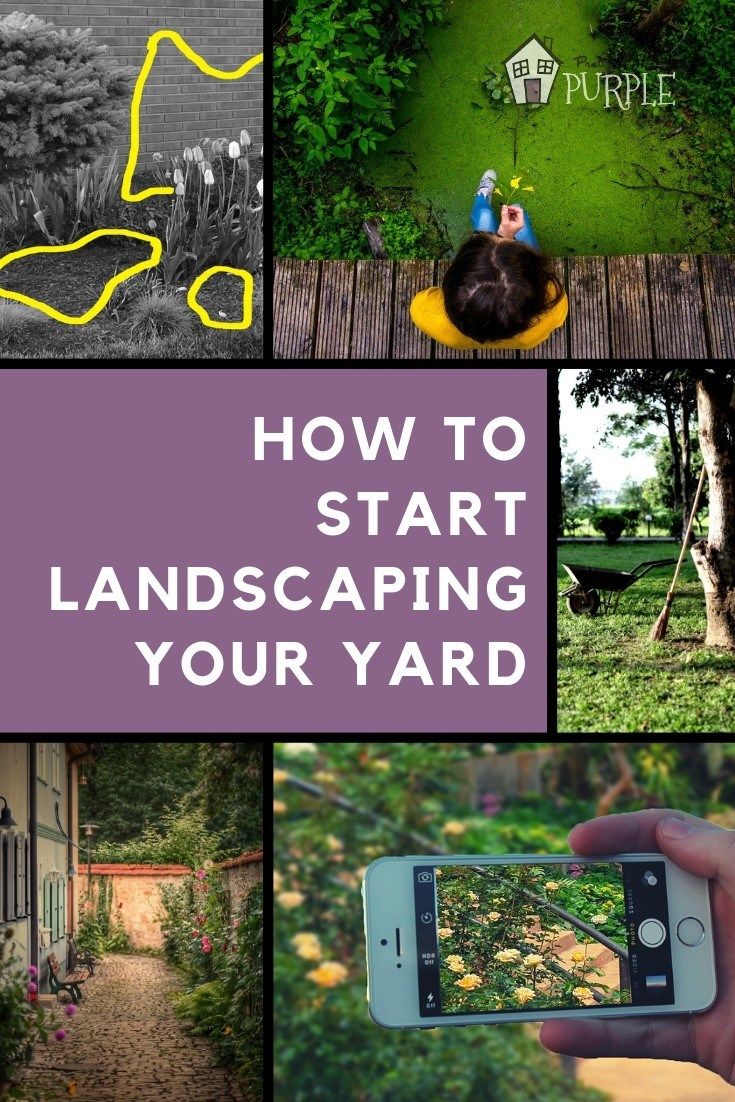
Observe the light at different times of day and note any shadows cast by nearby structures or trees, as this will guide you toward plants that match the brightness levels.
Managing Drainage and Foot Traffic
Stairs can channel water into certain spots, creating soggy pockets or very dry patches, so consider how runoff moves across the treads and sides.
Choose tougher, resilient plants near high-traffic edges, and reserve more delicate groundcovers for sheltered ledges where moisture is more consistent.
Design Goals and Aesthetic Choices
Clarifying whether you want a soft, romantic look, a modern architectural feel, or a low-maintenance green wall will shape your plant selection.
Balance the hardness of the steps with gentle textures and colors, using foliage and flowers to draw the eye upward along the staircase.


Softening Edges with Trailing Plants
Trailing species such as Irish moss, baby's tears, or creeping thyme spill over the edges of steps, creating a lush carpet that softens stone or wood.
These plants also help hold soil in place, reducing the need for frequent weeding and giving the staircase a more integrated appearance in the landscape.
Adding Structure with Upright Accents
Narrow grasses, compact shrubs, or slender ornamental grasses placed at the corners of each step can introduce vertical interest without overwhelming the space.


Evergreen varieties ensure year-round definition, while flowering varieties can add seasonal color and attract pollinators.
Practical Companion Plants for Steps
When planning what to plant next to steps, combine plants with different heights and habits so the arrangement stays full throughout the seasons.
Grouping plants with similar water needs in the same area reduces maintenance and helps every specimen perform at its best.
Low Groundcovers for Moist Areas
In spots that stay damp, consider sweet woodruff, hostas, or ferns, which form dense mats that crowd out weeds and stabilize the soil.
Their broad leaves capture rainwater, slow runoff, and create a rich green backdrop for brighter accent plants.
Sun-Loving, Drought-Tolerant Choices
For drier edges, select sedum, lavender, or cistus, which thrive in reflected heat and need minimal watering once established.
These plants add texture and subtle color while being forgiving of missed watering, making them ideal for busy households.
Maintaining Health and Safety Over Time
Regular trimming prevents tall or spreading plants from obscuring the edges of the steps, which is essential for safe passage.
Use mulch or groundcover plants rather than loose gravel that could shift underfoot, keeping the walking surface stable and attractive.
Pruning for Shape and Airflow
Clip back vigorous growers after flowering to maintain the intended form and encourage denser, more uniform growth along the stairway.
Good airflow around stems and leaves reduces disease risk, which is especially important on shaded sides where moisture lingers.
Seasonal Care and Winter Protection
In colder climates, protect sensitive perennials with a light layer of mulch after the ground freezes, avoiding mounding soil over crowns that need air.
Evergreen accents and resilient grasses ensure there is still visual interest when deciduous plants are dormant.
Long-Term Planning and Sustainability
Choosing native or well-adapted species supports local pollinators and requires less intervention, aligning with sustainable gardening practices.
Over time, a thoughtfully planted staircase can become a habitat for insects and birds, blending your home with the surrounding environment.
By matching plants to the conditions, design vision, and maintenance level you want, the area around your steps becomes a welcoming, living feature.
Observe how the space changes with each season, adjust as needed, and enjoy the evolving view as your plantings mature and the staircase feels more integrated into the rest of your garden.
Related Articles

What to Plant Next to Hostas for a Thriving Garden
Choosing the right companions for hostas transforms a simple shade garden into a layered, textural masterpiece, especially when you pair these reliable foliage...

What Not to Plant Next to Hostas Avoid These Garden Mistakes
Hostas are the undisputed queens of the shaded garden, prized for their lush foliage and effortless charm. Understanding what not to plant next to hostas is...

Cheap DIY Paver Walkway Ideas Stunning Garden Path Designs On A Budget
Transforming your garden into a personal oasis doesn't have to break the bank. With a bit of creativity and elbow grease, you can create a stunning paver...

Stunning Azalea Flower Border Ideas for a Colorful Garden Path
An azalea flower border brings a burst of spring color that instantly elevates any landscape design. These stunning shrubs create a living curtain of blossoms...

Stunning Stone Garden Steps Ideas for Elegant Outdoor Design
Transform your garden into a functional and visually appealing space with the addition of garden steps with stone. These steps not only provide a practical...

Stunning Window Box Plant Ideas Flower Boxes For A Vibrant Garden
Transform your outdoor spaces into vibrant, living masterpieces with our captivating window box plant ideas. Flower boxes aren't just for window sills anymore...