Warm Light vs Cool Light: The Ultimate Guide to Choosing the Right Color Temperature
Choosing between warm light and cool light is one of the simplest yet most impactful decisions you can make to shape the atmosphere of any space. The color temperature of your bulbs, measured in Kelvins, directly affects how you feel, how well you focus, and even how your home looks to guests. Understanding when to use warm light versus cool light allows you to design environments that support comfort, productivity, and style rather than just providing a basic source of illumination.
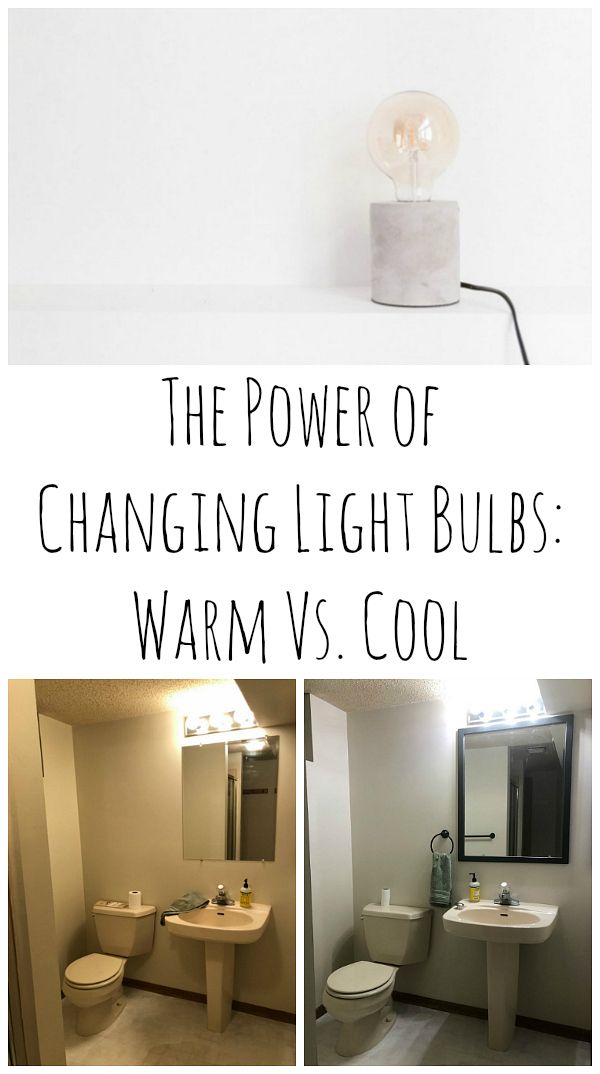
Many people overlook lighting because it is overhead and always present, but the right color temperature can turn a generic room into a tailored experience. Warm light, typically around 2700K to 3000K, produces a soft, yellowish glow that feels intimate and relaxing. Cool light, usually in the range of 4000K to 6500K, emits a sharper, bluish tone that feels clinical and energized. Knowing the personality of each option helps you align your lighting with the function and mood of every room.
Warm Light for Comfort and Relaxation
Warm light excels in spaces where the goal is to unwind, connect, or create a cozy ambiance. Its low color temperature mimics the warm glow of sunset and traditional incandescent bulbs, which instantly puts the nervous system at ease. When you want a space to feel inviting and cocoon-like, warm light is the natural choice.


Because it reduces the harshness of shadows and creates a more diffused glow, warm light is ideal for living rooms, bedrooms, and dining areas. It encourages social interaction, making faces appear more relaxed and flattering in photos. If your priority is creating a sanctuary where you can decompress after a long day, leaning toward warm tones is a strategic move.
Creating Intimate Gatherings
In a dinner setting or a casual get-together with friends, warm light fosters conversation and closeness. It makes the room feel smaller and more personal, which is exactly what you want in a space dedicated to connection. Candles and string lights often pair beautifully with this color temperature because they reinforce the same gentle palette.


Consider using warm light in hallways and entryways to create a welcoming transition from the exterior world. When guests walk into a space bathed in soft, golden tones, they immediately feel that the environment is safe and hospitable. This subtle psychological cue can define the entire atmosphere of your home.
Supporting Evening Routines
As evening approaches, shifting to warm light can help signal to your body that it is time to slow down. This is particularly important in home offices or reading nooks located near living areas, where artificial brightness might otherwise trick the brain into thinking it is still daytime.
Warm lighting works exceptionally well in bedrooms, especially around the bed. It minimizes the blue light that can interfere with melatonin production, making it easier to fall asleep. By keeping your nighttime environment warm and dim, you support healthier sleep cycles without sacrificing style.


Cool Light for Focus and Clarity
Cool light brings a completely different energy to a room. With its higher color temperature, it replicates the bright, clear quality of natural daylight at midday. This makes it perfect for environments where precision, accuracy, and alertness are required. Cool light reduces eye strain and helps maintain focus over extended periods.
In modern homes and workspaces, cool light is frequently used to create a sense of openness and cleanliness. It exposes details and colors more accurately, which is why it is popular in kitchens, study areas, and utility spaces. If your goal is to maximize efficiency and visibility, cool light provides the necessary clarity.
Optimizing Workspaces
Home offices, libraries, and study desks benefit significantly from cool light because it combats fatigue and keeps the mind engaged. Tasks that involve reading small text, working on computers, or performing detailed crafts are much easier under this type of illumination.


When setting up a productive zone, consider lighting with a color temperature between 4000K and 5000K. This range strikes a balance that feels energizing without being overwhelming. You can pair cooler task lighting with warmer ambient sources to maintain flexibility throughout the day.
Enhancing Security and Functionality
Outside the home, cool light is a practical choice for security and safety. Bright white illumination deters intruders and reveals details in dark corners, making it a standard choice for outdoor fixtures and garage lighting.
Inside, cool light is highly functional in laundry rooms, bathrooms near mirrors, and mudrooms where you need to see colors and textures accurately. It minimizes the warm, yellow cast that can make spaces feel dirty or neglected, giving you a crisp and sanitary impression.
Task-Specific Lighting Strategies
Even within a single room, you do not have to choose only one temperature. Layering your lighting gives you the freedom to switch between warm and cool depending on the activity. under-cabinet lights in the kitchen can be cooler to help you prepare meals, while pendant lights over the dining table can be warmer to enhance the mealtime experience.
Smart lighting systems take this versatility a step further by allowing you to adjust the color temperature with a tap or a voice command. This means you can move seamlessly from a bright, focused workspace to a relaxed, intimate setting without changing bulbs or fixtures.
Matching Light to Room Purpose and Design
The function of a room should heavily influence your lighting choices, but the overall design aesthetic matters just as much. A well-lit space that clashes with its decor can feel disjointed, while a cohesive lighting plan enhances every element in the room.
In minimalist interiors, cool light can emphasize clean lines and open spaces, making the architecture feel more dramatic. In contrast, warm light complements traditional, rustic, or bohemian styles by adding depth and texture to natural materials like wood and stone.
Accentuating Architecture and Decor
Use warm light to highlight textured walls, wooden floors, and artwork, as it adds richness and depth. This temperature is flattering to skin tones and can make a small space feel larger by softening hard edges.
Cool light is better for showcasing metallic finishes, sleek furniture, and glossy surfaces. It creates a modern vibe and can make a room feel larger by bouncing light more evenly across walls and ceilings.
Adjusting to Circadian Rhythms
Human beings are biologically wired to respond to natural light patterns. Throughout the day, the sun shifts from cool morning light to warm evening light, and aligning your artificial lighting with this cycle can support your health. in the morning and early afternoon, cool light can boost alertness, while warm light in the evening encourages relaxation.
By consciously managing your light exposure, you reduce eye strain, improve mood, and regulate sleep. Layering warm and cool sources gives you the flexibility to mimic these natural transitions indoors.
Ultimately, the best lighting strategy is the one that fits your lifestyle and supports how you use each space. Experimenting with different fixtures and bulbs helps you discover the balance between warmth and clarity that feels right to you.
Related Articles
When To Use Warm Or Cool Light: The Ultimate Guide To Choosing The Right Color Temperature
Lighting plays a pivotal role in setting the ambiance and mood of any space. Two primary types of light are often used in lighting design: warm and cool. But...
Warm Light vs Cool Light vs Daylight: The Ultimate Guide to Choosing the Best Hue
Choosing the right lighting for your home or workspace can dramatically change how you feel, work, and relax. Understanding the difference between warm light...

Warm Light vs Cool Light Photography The Ultimate Guide To Choosing Your Style
In the realm of photography, the type of light used can significantly influence the mood and atmosphere of an image. Two primary types of light, warm and cool...

Led Warm Light Color Code Ultimate Guide Hex Rgb Kelvin Chart
Embarking on the journey to create the perfect ambiance in your space? LED warm light color codes are your secret weapon. They're not just numbers; they're the...

From Dim to Warm: The Ultimate Guide to LED Color Temperature Shifting
Dim to warm LED lighting represents a sophisticated evolution in modern illumination that allows the brightness of your lights to gradually shift from a soft...

Warm Light vs Soft Light: The Ultimate Guide to Choosing the Perfect Glow
When it comes to lighting, the terms "warm light" and "soft light" often pop up, but what do they truly mean? Both terms are used to describe different aspects...