Warm Light vs Cool Light: Where to Use Each for Perfect Ambiance
Lighting plays a significant role in setting the ambiance and mood of any space. Two primary types of light are commonly used in lighting design: warm and cool light. But where should you use each? Let's delve into the world of lighting and explore the best uses for warm and cool light.
Warm light and cool light differ in their color temperature, measured in Kelvin (K). Warm light ranges from 2700K to 3000K, while cool light starts from 3500K and goes up to 6500K. Understanding these differences can help you create the perfect atmosphere in your home or workspace.
Warm Light: Cozy and Inviting
Warm light is often associated with a soft, inviting glow that mimics the light of a setting sun. It's perfect for creating a cozy, intimate atmosphere in living spaces.


Warm light is particularly suitable for:
Living Rooms and Bedrooms
In living rooms, warm light encourages relaxation and socializing. It's ideal for creating a welcoming atmosphere for family and friends. In bedrooms, it promotes a sense of tranquility and helps create a soothing environment for sleep.


Dining Rooms and Kitchens
Warm light can enhance the ambiance of dining rooms, making them perfect for intimate dinners. In kitchens, it can create a welcoming atmosphere while cooking and dining. Consider using warm lighting in pendant lamps or under-cabinet lights.
Cool Light: Bright and Functional
Cool light, on the other hand, provides a crisp, bright light that's perfect for tasks that require clear visibility and concentration.
Cool light is ideal for:


Home Offices and Study Rooms
In home offices and study rooms, cool light helps maintain focus and productivity. It's perfect for task lighting, such as desk lamps and floor lamps.
Bathrooms and Laundry Rooms
Cool light is essential in bathrooms and laundry rooms, where clear visibility is crucial. Consider using cool lighting in vanity lights and overhead fixtures.
Outdoor Spaces
Cool light is also suitable for outdoor spaces, providing clear visibility for safety and security. Use cool lighting in path lights, floodlights, and security lights.

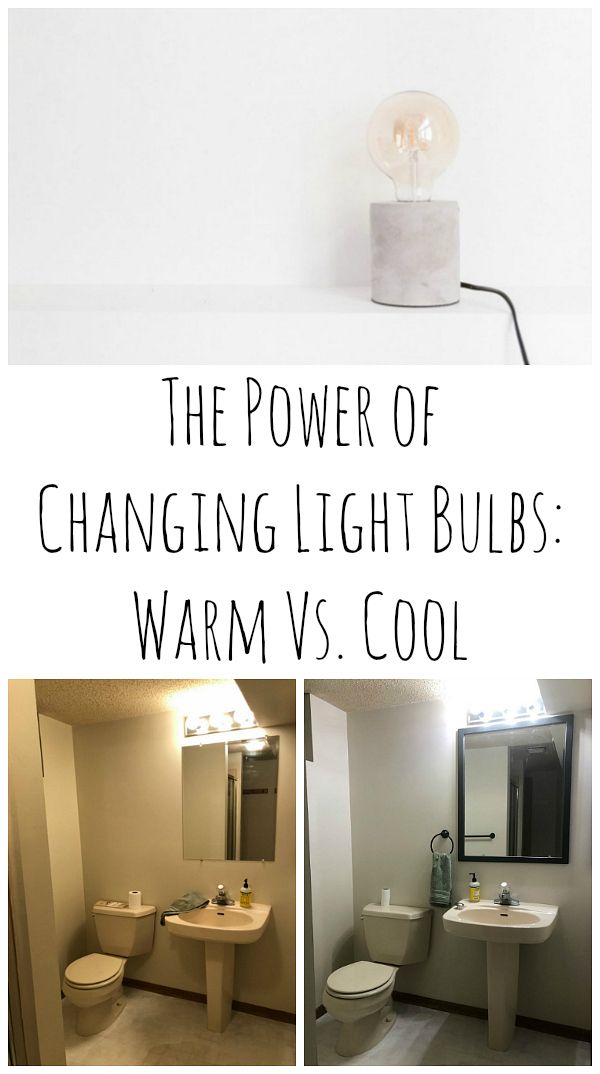


When choosing between warm and cool light, consider the function and atmosphere you want to create in each space. A mix of both can also work well, using warm light for ambient lighting and cool light for task lighting. Ultimately, the best lighting is the one that makes you feel comfortable and at ease in your space.
Related Articles
Warm vs Cool Lighting Types Ultimate Guide for Perfect Ambiance
Understanding the difference between warm cool lighting is essential for creating the right atmosphere in any space, from your living room to your office and...

The Ultimate Guide to Warm White Light Color Code for Perfect Home Ambiance
Warm white light, often referred to as soft white or neutral white, is a popular choice in lighting design due to its inviting and comfortable ambiance. But...

Warm Light vs Soft Light: The Ultimate Guide to Choosing the Perfect Glow
When it comes to lighting, the terms "warm light" and "soft light" often pop up, but what do they truly mean? Both terms are used to describe different aspects...

Where to Place Ceiling Lights in a Bedroom: Ideal Layout for Perfect Ambiance
When it comes to bedroom lighting, ceiling lights play a crucial role in setting the mood and enhancing functionality. But where should ceiling lights be...

The Ultimate Guide to Taupe Bedroom Light Shade for Perfect Ambiance
A taupe bedroom light shade brings a sense of quiet elegance and warm neutrality to any sleeping space. This versatile color sits between beige and gray...

Cool Lighting Ideas for Living Room: Transform Your Space with Stunning Ambiance
Transforming your living room with cool lighting ideas can completely redefine the mood and functionality of your main living space. The right lighting layers...