Can You Store Dehydrated Food in Mason Jars? The Ultimate Guide
Dehydrating food is a popular method for long-term preservation, and when it comes to storing these precious ingredients, the humble mason jar often comes to mind. But can you store dehydrated food in mason jars? The short answer is yes, but there are a few factors to consider to ensure your dehydrated food stays fresh and safe to consume.
Mason jars are indeed an excellent choice for storing dehydrated food due to their airtight seal, which helps maintain the food's quality and prevents pests from getting in. However, the type of mason jar and the food itself play significant roles in determining the storage's success.
Choosing the Right Mason Jar
Not all mason jars are created equal, and selecting the right one can make a significant difference in your dehydrated food's shelf life.


Standard mason jars with two-piece lids are not recommended for long-term storage. The rubber seals in these lids can deteriorate over time, allowing air and moisture to enter the jar. Instead, opt for jars with a vacuum-sealed lid, such as those made by companies like Ball or Kerr. These jars have a two-piece lid with a rubber gasket that creates an airtight seal when the lid is screwed on tightly.
Wide-Mouth vs. Regular-Mouth Jars
Wide-mouth mason jars are generally more convenient for storing dehydrated food. Their larger opening makes it easier to scoop out the contents without spilling or crushing the food. Regular-mouth jars can be more challenging to use, especially when dealing with small, delicate pieces like powders or flakes.


However, regular-mouth jars may be a better choice for storing liquids or foods that could be easily contaminated by dust or other particles. The smaller opening provides better protection against external contaminants.
Size Matters
The size of the mason jar is another essential factor to consider. Smaller jars are easier to handle and can be more convenient for everyday use, while larger jars can store more food and are better suited for bulk storage.
Keep in mind that larger jars may require more space in your pantry or storage area. Additionally, larger jars may not be suitable for foods that are prone to absorbing odors, as the increased surface area can lead to cross-contamination with other stored foods.


Preparing Your Dehydrated Food for Storage
Before storing your dehydrated food in mason jars, there are a few steps you can take to ensure optimal freshness and longevity.
First, allow your dehydrated food to cool completely to room temperature. This step is crucial as any residual heat can cause condensation to form inside the jar, which can lead to spoilage.
Cooling and Packaging
Once your food has cooled, it's essential to package it correctly to minimize air exposure. For powders or small pieces, use a funnel to transfer the food into the jar, filling it to the top. For larger pieces, you may need to layer them carefully to maximize space and minimize air pockets.


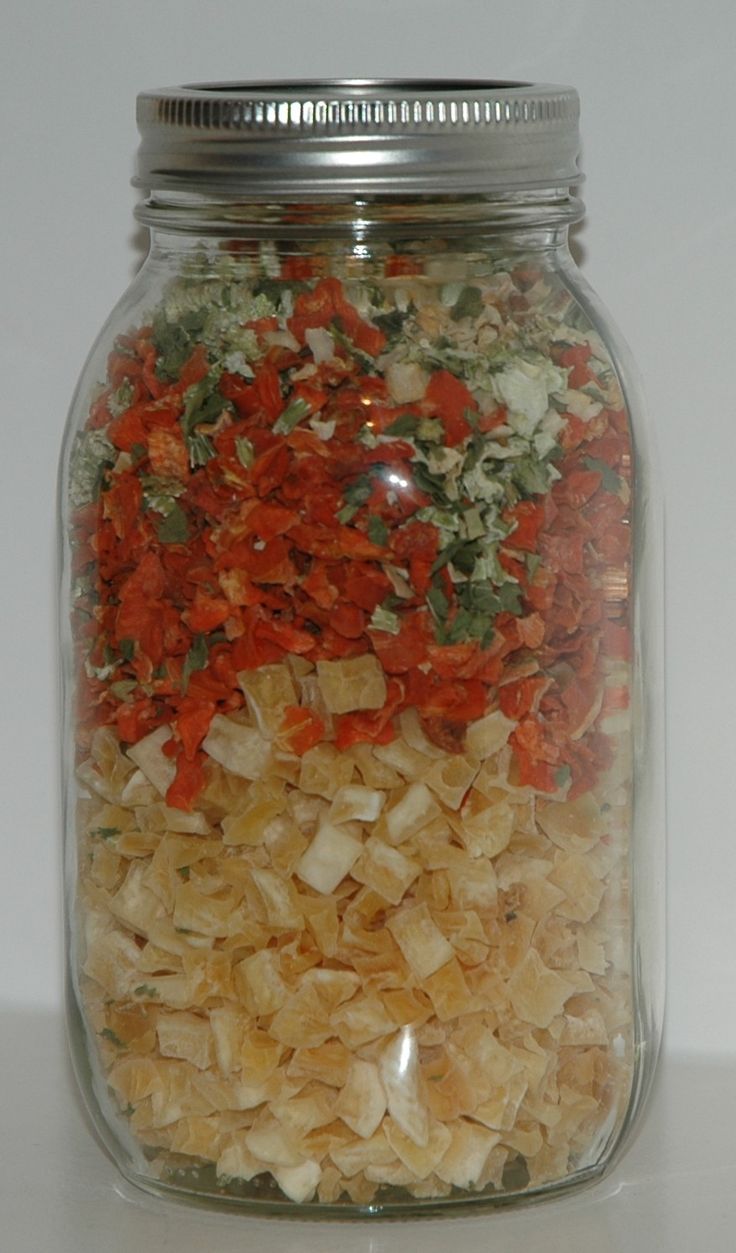


After filling the jar, use a clean, dry cloth or paper towel to wipe the rim clean. This step ensures that the lid seals properly and prevents any food residue from interfering with the seal.
Vacuum Sealing
For an extra layer of protection, consider using a food vacuum sealer to remove excess air from the jar before sealing it. This process can help extend the shelf life of your dehydrated food by preventing oxidation and minimizing the risk of spoilage.
To vacuum seal a mason jar, you'll need a special adapter that fits the jar's lid. Place the adapter on the jar, and follow the instructions for your vacuum sealer to remove the air. Once the jar is vacuum-sealed, screw on the lid tightly to create an airtight seal.
Storing Your Mason Jars
Proper storage is crucial for maintaining the quality and freshness of your dehydrated food. Here are some tips for storing your mason jars:
Store your jars in a cool, dark, and dry place, away from direct sunlight and heat sources. Ideal storage temperatures range from 40°F to 70°F (4°C to 21°C). Avoid storing jars in areas with high humidity, as the moisture can cause condensation to form inside the jar.
Labeling and Rotating
Labeling your mason jars with the contents and the date of storage is essential for keeping track of your inventory. This practice helps you rotate your stock and use the oldest foods first, ensuring that nothing goes to waste.
Consider using a system like the "First In, First Out" (FIFO) method to help manage your storage. This approach involves placing new jars at the back of the storage area and removing older jars from the front, ensuring that the oldest foods are used first.
Monitoring for Spoilage
Despite your best efforts, spoilage can still occur. Regularly inspect your stored dehydrated food for signs of spoilage, such as mold, discoloration, or an off smell. If you notice any of these signs, discard the food immediately to prevent the spread of contamination.
Additionally, monitor the lid of your mason jar for any signs of bulging or leakage, which could indicate that the jar has not been properly sealed or that the food inside has spoiled.
In the world of food preservation, mason jars are truly a jack-of-all-trades. With the right preparation and storage techniques, they can help extend the shelf life of your dehydrated food, ensuring that you have a pantry full of nutritious and delicious ingredients ready for when you need them. So go ahead, dehydrate, and preserve with confidence, knowing that your mason jars are up to the task.
Related Articles
Can You Store Freeze Dried Food in Mason Jars? The Ultimate Guide
Have you ever wondered if you can store freeze-dried food in mason jars? This is a question that often arises when considering long-term food storage...

Mastering Mason Jars: Ultimate Guide to Food Storage
Mason jars, those humble glass containers, have become a staple in modern kitchens, not just for canning, but also for food storage. Their airtight seals...
Maximize Shelf Life: Storing Dehydrated Foods in Mason Jars
Storing dehydrated food in mason jars is a smart and cost-effective way to preserve your harvest, create emergency food supplies, or simply enjoy fresh produce...

Can You Store Alcohol in Mason Jars Safe Guide
Ever found yourself wondering if you can store your favorite wine, whiskey, or other alcoholic beverages in mason jars? You're not alone. Mason jars are...

Can You Store Dehydrated Fruit in Mason Jars?
Dehydrating fruits is an excellent way to preserve their nutritional value and extend their shelf life. But once you've dehydrated your fruits, the next...

Mason Jars: The Ultimate Food Storage Solution
Mason jars, with their iconic glass construction and secure lids, have long been a staple in households across the globe. But are they truly the best choice...