Can You Store Freeze Dried Food in Mason Jars? The Ultimate Guide
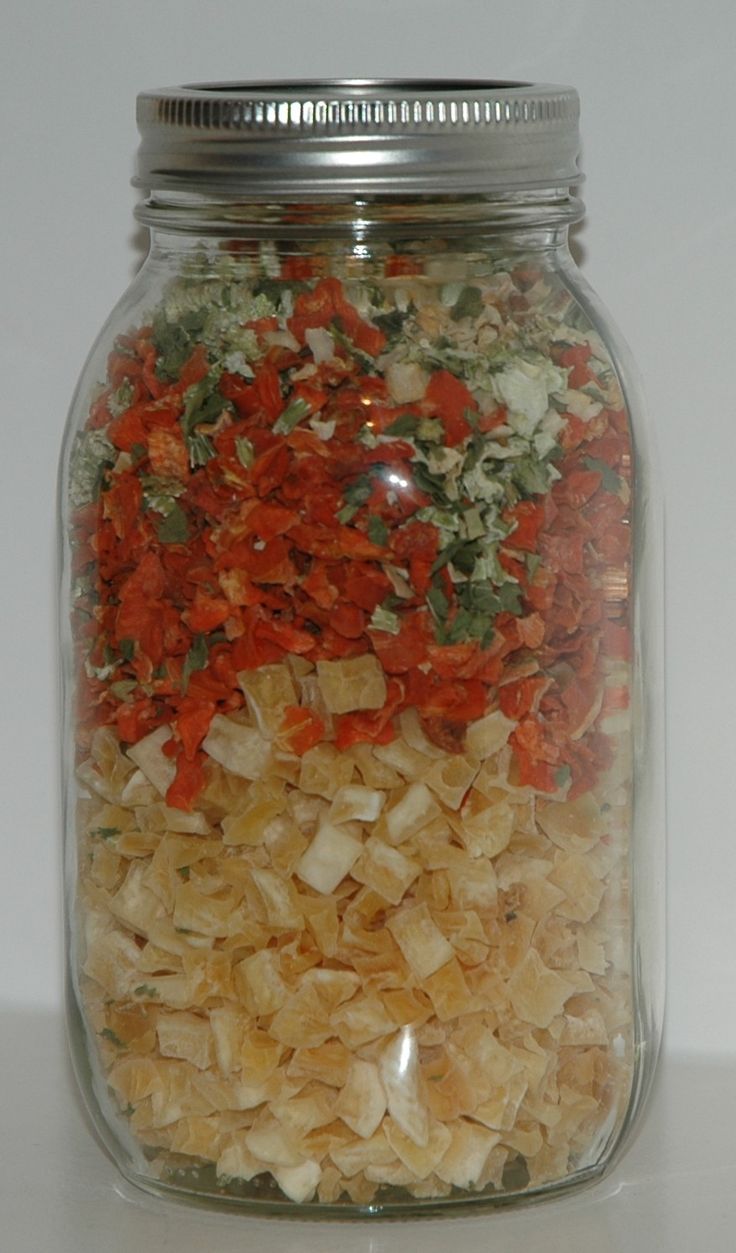
Have you ever wondered if you can store freeze-dried food in mason jars? This is a question that often arises when considering long-term food storage solutions. Freeze-dried food is a convenient and nutritious option, but its storage can be a bit tricky. Let's delve into this topic and explore the feasibility of using mason jars for storing freeze-dried food.
Mason jars are a popular choice for home canning and food preservation due to their airtight seal and durability. However, when it comes to storing freeze-dried food, there are a few factors to consider. Freeze-dried food is highly sensitive to moisture and oxygen, which can degrade its quality and nutritional value over time. So, the key to successful storage is creating an environment that protects the food from these elements.
Understanding Freeze-Dried Food
Before we discuss the suitability of mason jars for storing freeze-dried food, it's essential to understand what makes this food preservation method unique. Freeze-drying involves freezing the food, then reducing the surrounding pressure and adding heat to allow the frozen water to sublime directly from the solid phase to the gas phase, leaving behind a dry, lightweight product.


This process removes over 98% of the moisture from the food, which is why freeze-dried products have an extremely long shelf life. However, this also makes them highly susceptible to reabsorption of moisture and oxidation, which can cause them to spoil or lose their nutritional value.
Mason Jars: Pros and Cons for Freeze-Dried Food Storage
Mason jars are known for their airtight seals, which can help to prevent the absorption of moisture and oxygen. This makes them a potential candidate for storing freeze-dried food. However, there are a few things to consider.


Pros:
- Air-tight seal to prevent moisture and oxygen ingress.
- Durable and can withstand extreme temperatures.
- Wide mouth jars make it easy to scoop out the contents.
Cons:


- Mason jars are not completely impermeable to oxygen and moisture, especially over long periods.
- They are not designed to be used in vacuum sealing systems, which is the gold standard for long-term freeze-dried food storage.
- Mason jars can be bulky and take up a lot of space, making them less ideal for situations where space is limited.
Alternatives to Mason Jars for Freeze-Dried Food Storage
While mason jars can be used for short-term storage of freeze-dried food, there are better options available for long-term storage. Vacuum-sealed Mylar bags and food-grade buckets are often the preferred choices for storing freeze-dried food.
Vacuum-sealed Mylar bags can be used in conjunction with oxygen absorbers to create a completely oxygen-free environment. This is the most effective way to prevent the reabsorption of moisture and oxidation. Food-grade buckets are also a good option as they are designed to be airtight and can be used with gamma lids for a more secure seal.




Preparing Freeze-Dried Food for Storage
Regardless of the storage container you choose, it's crucial to prepare the freeze-dried food correctly before storing it. This involves several steps:
1. **Rehydrate**: Rehydrate the freeze-dried food according to the package instructions. This helps to restore the food's natural texture and makes it easier to package.
2. **Cool**: Allow the rehydrated food to cool completely before packaging. This prevents condensation from forming inside the storage container, which could lead to spoilage.
3. **Portion**: Divide the food into meal-sized portions. This makes it easier to use the food and helps to prevent spoilage if the entire container is not used at once.
4. **Package**: Package the food in the chosen storage container, ensuring that it is completely airtight. If using Mylar bags, include an oxygen absorber to remove any remaining oxygen from the package.
5. **Label**: Label the package with the contents and the date it was packaged. This helps to ensure that you use the oldest food first and makes it easier to rotate your food storage.
Rotating Your Food Storage
Rotating your food storage is crucial to ensure that you are using the oldest food first. This helps to prevent spoilage and ensures that you are getting the most out of your food storage efforts. The general rule is to use the oldest food first, regardless of the type of storage container you are using.
To rotate your food storage, simply move the oldest packages to the front of your storage area and use them first. When you add new packages, place them at the back of the storage area. This ensures that the oldest food is always at the front and ready to be used.
Remember, the goal of food storage is not just to have food on hand, but to have food that is safe to eat and still retains its nutritional value. Proper storage and rotation are key to achieving this.
In the world of long-term food storage, there's no one-size-fits-all solution. While mason jars can be a useful tool for short-term storage of freeze-dried food, they may not be the best option for long-term storage. Understanding the unique requirements of freeze-dried food and choosing the right storage method can help ensure that your food storage efforts are successful and that you have safe, nutritious food to rely on in times of need.
Related Articles
Can You Store Dehydrated Food in Mason Jars? The Ultimate Guide
Dehydrating food is a popular method for long-term preservation, and when it comes to storing these precious ingredients, the humble mason jar often comes to...

Mastering Mason Jars: Ultimate Guide to Food Storage
Mason jars, those humble glass containers, have become a staple in modern kitchens, not just for canning, but also for food storage. Their airtight seals...

Can You Store Alcohol in Mason Jars Safe Guide
Ever found yourself wondering if you can store your favorite wine, whiskey, or other alcoholic beverages in mason jars? You're not alone. Mason jars are...

Mason Jars: The Ultimate Food Storage Solution
Mason jars, with their iconic glass construction and secure lids, have long been a staple in households across the globe. But are they truly the best choice...

Can You Store Drinking Water in Mason Jars Safe Food Grade Storage Tips
Ever considered storing drinking water in mason jars? This classic glass container has been a staple in many households for generations, but is it safe and...

Freeze Dried Candy Displays: The Ultimate Visual Merchandising Guide
Discover the sweet allure of freeze dried candy displays, a captivating blend of technology and confectionery that's taking the retail and event industries by...