DIY Barbie Furniture Out of Cardboard: Easy Craft Ideas for Kids
Creating a DIY Barbie furniture out of cardboard is a fantastic way to spark creativity while keeping playtime sustainable and budget friendly. This activity turns ordinary shipping boxes into tiny chairs, stylish beds, and charming living rooms that feel truly one of a kind. Cardboard is lightweight, easy to cut, and forgiving for little hands, making it the ideal material for imaginative mini projects. By exploring this craft, families can design custom pieces that match their specific Barbie mansion vision without spending a fortune at the toy store.
Besides being economical and eco friendly, building cardboard furniture encourages problem solving and spatial reasoning. Children learn how to measure, fold, and reinforce structures while they experiment with different designs and modifications. Parents can join in the fun, turning the process into a collaborative project that strengthens bonds and develops fine motor skills. The result is a collection of toys that feel personal, durable enough for repeated play, and proudly made by the family.
Planning Your Cardboard Furniture Designs
Before cutting into boxes, it helps to sketch out ideas for each piece of furniture, such as a bed, table, or wardrobe. Thinking about the size of the Barbie doll ensures that the final items are proportional and functional. Collecting different sized cardboard boxes, from small snack boxes to larger appliance containers, gives a good range of shapes to work with. Keeping a notebook for design ideas can turn this step into a fun planning game rather than a chore.


Gathering simple tools like safety scissors, a ruler, a pencil, and a glue stick prepares you for each stage of construction. Strong cardboard with multiple layers works best for load bearing parts, while thinner cardboard is fine for decorative accents. Having tape on hand adds extra stability when glue needs a quick set time. With these basics ready, the process of building DIY Barbie furniture out of cardboard becomes smooth, predictable, and enjoyable.
Designing a Sturdy Cardboard Bed
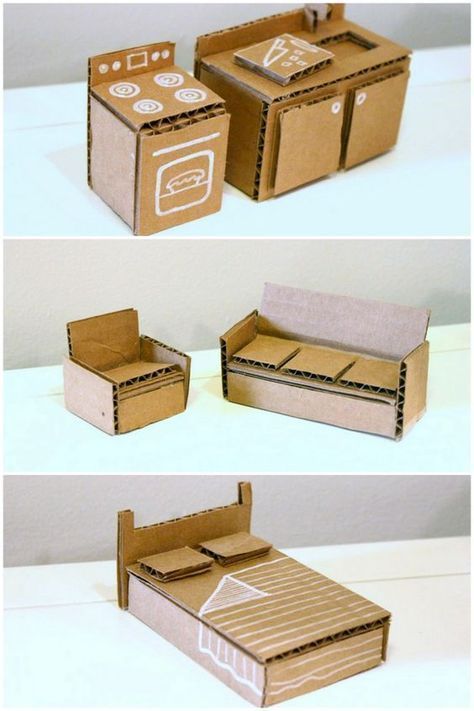
To create a bed, start by flattening a medium sized box and cutting out a rectangle that fits the Barbie doll comfortably. Adding side rails made from long strips of cardboard helps keep the mattress area clearly defined and prevents dolls from slipping off during play. Layering two pieces together with glue or tape increases thickness, which makes the bed feel more substantial and durable. Small notches cut into the head board can be decorated with markers or stickers to give the bed a personalized look.


Reinforcing the corners with extra cardboard triangles improves stability, especially if the bed will support Barbie in different sleeping positions. For a softer look, trace the mattress shape onto thinner cardboard or colored paper and glue it on top as a cushion layer. This combination of firm base and decorative surface allows for endless variations in style, from classic wooden frames to futuristic designs. A well built cardboard bed becomes a centerpiece in any miniature room, inviting creative storytelling.
Creating a Compact Storage Unit
A storage unit works well for organizing tiny accessories like shoes, hats, and jewelry made from foil or paper. Using a shallow box, cut doorways at the front and add cardboard dividers inside to form separate compartments. Label each section with small paper tags so that children can easily remember where each item belongs. The process of arranging these compartments encourages logical thinking and classification skills.
Decorating the exterior with paint or wrapping paper transforms the storage unit into a bold statement piece in the Barbie room. Adding a cardboard handle made from a folded strip makes the unit easier to move during play setups. With a little reinforcement at the base, this furniture piece can withstand frequent handling during imaginative cleaning or organizing games. Such functional designs show how DIY Barbie furniture out of cardboard can balance practicality and creativity.



Expanding the Cardboard Room Collection
After mastering beds and storage, expanding into larger pieces like tables, chairs, and sofas adds richness to play scenes. Tables can be formed from flat cardboard squares or rectangles, with leg supports cut from strips and attached firmly underneath. Chairs benefit from a slightly curved back, which can be shaped by gently bending the cardboard before final assembly. These foundational pieces turn a simple play mat into a lively social space where Barbie can host parties or quiet conversations.
Experimenting with different box shapes helps replicate a variety of furniture styles, from sleek modern lines to cozy cottage looks. Layering, scoring fold lines, and using multiple pieces glued together allow for more intricate details, such as table legs that appear separate or chair cushions that stand out. As each project builds skills, children gain confidence to tackle more ambitious designs. This progression keeps the hobby fresh and motivates continued exploration of DIY Barbie furniture out of cardboard.
Adding Color and Personal Flair
Color turns ordinary cardboard into vibrant rooms, and water based paints are safe, easy to clean, and quick to dry. Choosing a theme, such as a seaside cottage or a glamorous penthouse, guides color choices and decorative details. Stickers, washi tape, and thin paper strips can be applied to edges and legs to mimic patterns, trims, and fancy upholstery. These touches help each piece reflect the personality of its creator.


Textures can be suggested with simple techniques, like scratching lines into wet paint or gluing on tiny fabric scraps for cushions. Creating matching curtains from thin paper or fabric scraps adds an extra layer of immersion to the miniature rooms. As children customize each item, they practice decision making and aesthetic judgment, which support broader artistic development. Personal flair is what transforms a basic DIY Barbie furniture out of cardboard project into a cherished keepsake.
Designing Multi Functional Pieces
Multi functional furniture makes the most of limited space in a Barbie mansion, and cardboard is perfect for testing these clever ideas. A coffee table that opens to reveal hidden storage teaches the concept of dual purpose design. Fold down desks or wall mounted shelves can be drawn, cut, and attached so they appear to move, adding interactive elements to play. These projects inspire engineering thinking as children balance stability with clever mechanisms.
Testing how each piece holds up under play conditions encourages iterative improvements, such as adding extra support legs or tightening loose joints. When a design works well, it can become a favorite part of the room, seamlessly blending form and function. Families may even collaborate on a theme, building an entire floor plan around these smart pieces. Exploring multi functionality highlights the versatility of DIY Barbie furniture out of cardboard.
Experimenting with cardboard furniture allows creativity, skill building, and joyful play to come together in a single activity. Each new design becomes a chance to solve small engineering puzzles while expressing a unique sense of style. Over time, these homemade pieces can form a cohesive miniature world that reflects the imagination of their maker. Continuing to explore fresh ideas ensures the experience stays engaging and full of possibilities."
Related Articles

DIY Barbie Furniture Plans: Easy Craft Templates For Kids
Creating your own handcrafted world for Barbie opens a door to imagination that store bought pieces rarely match, and with the right diy barbie furniture plans...
Diy Cardboard Dollhouse Furniture: Easy & Fun Craft Ideas
Creating a DIY dollhouse furniture cardboard easy project is a fantastic way to spark creativity without breaking the bank. This approach allows anyone, from...

DIY Christmas Ornaments for Kindergarten: Fun Easy Craft Ideas for Kids
Creating diy christmas ornaments for kindergarten opens a world of festive creativity where tiny hands discover joy in simple making. These easy projects turn...

how to make barbie furniture at home easy diy crafts for kids
Making Barbie furniture at home easy is a rewarding project that lets you craft tiny worlds with your own hands. This guide walks you through simple methods...

Easy Children's Prayer Craft Ideas For Kids
In the heart of every home, there's a space dedicated to the spiritual growth of children. This sacred corner often includes a prayer corner or a family altar...

Easy DIY Barbie Furniture Ideas Tutorials
Creating your own DIY Barbie furniture easy projects brings a special kind of magic to playtime and display, turning ordinary moments into tiny adventures...