Diy Cardboard Dollhouse Furniture: Easy & Fun Craft Ideas
Creating a DIY dollhouse furniture cardboard easy project is a fantastic way to spark creativity without breaking the bank. This approach allows anyone, from young children to seasoned hobbyists, to craft custom pieces using a material that is both accessible and forgiving. Cardboard offers a unique blend of strength and flexibility, making it ideal for constructing everything from tiny chairs to intricate miniature bookshelves. The satisfaction of transforming a simple cardboard box into a beautiful piece of dollhouse decor is truly unmatched.
The appeal of a cardboard easy build lies in its low barrier to entry; you likely already have most of the supplies needed in your home. Unlike wood or plastic, cardboard is lightweight, easy to cut with basic scissors, and safe for crafters of all ages to handle. This accessibility makes it a perfect weekend activity for families or a relaxing solo craft for adults looking for a tactile creative outlet. By embracing this medium, you are prioritizing imagination and innovation over expensive tools, which is the essence of true DIY spirit.
Planning Your Cardboard Creations
Before diving into cutting and gluing, it is essential to spend time planning your DIY dollhouse furniture cardboard easy project to ensure structural integrity and aesthetic coherence. Sketching out designs on paper first allows you to visualize the final piece and determine the exact dimensions needed to fit your specific dollhouse scale. This step helps prevent waste, as cardboard is a valuable resource that can be maximized with careful layout planning. Considering the weight-bearing capacity of the cardboard will also guide you toward creating stable and durable furniture pieces that can withstand play or display.
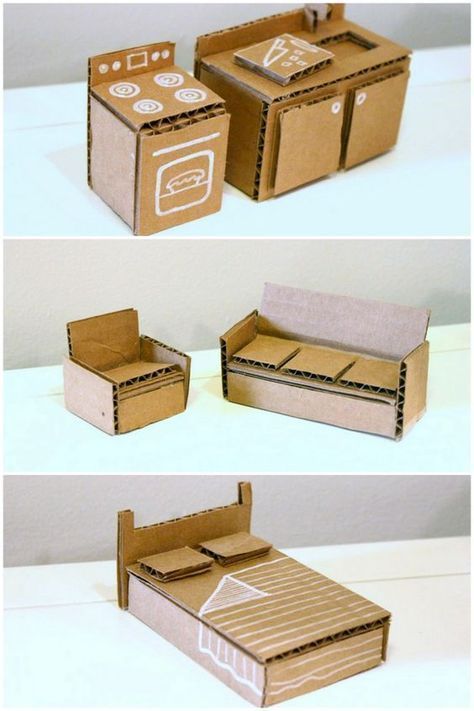


Gathering your materials is the next crucial step in the process, as it sets the stage for a smooth crafting experience. You will need sturdy cardboard boxes, sharp utility scissors or an X-Acto knife, a reliable hot glue gun or strong craft glue, and a variety of paints or decorative paper for finishing touches. Ruler and pencil are indispensable for measuring and marking precise cuts, ensuring that your furniture looks polished and professional. Having these tools ready allows you to focus entirely on the creative process rather than searching for supplies mid-project.
Designing Simple Chairs and Tables
Starting with basic furniture forms like chairs and tables is the best approach for beginners tackling a DIY dollhouse furniture cardboard easy adventure. These pieces require simple geometric shapes—such as rectangles for seats and squares for tabletops—making them ideal for practicing your cutting and assembly techniques. By focusing on clean lines and symmetrical designs, you can create furniture that looks intentional and well-crafted, even with minimal experience. The modular nature of these items means you can easily build multiple pieces using consistent methods, creating a cohesive look throughout the dollhouse.


When constructing these foundational pieces, reinforcing the structure is key to longevity, especially if the dollhouse will be handled frequently. Techniques such as doubling up cardboard layers for table tops or adding triangular braces to chair legs can dramatically increase stability without compromising the aesthetic. Experimenting with different folding techniques, like creating flaps for glue adhesion, can also add interesting textures and shadows to the finished piece. These small engineering considerations transform a simple craft into a rewarding lesson in basic structural design.
Adding Decorative Details and Textures
Once the structural elements are complete, the real magic of a DIY dollhouse furniture cardboard easy project emerges through decorative detailing. Using thin cardboard or paper strips, you can simulate wood grain, tile patterns, or intricate fabric upholstery, adding depth and personality to each piece. Painting techniques like dry brushing or sponge painting can mimic the look of aged wood or polished metal, giving your creations a professional finish. These embellishments allow you to express your personal style and customize the furniture to match a specific theme or interior design vision.
Another exciting aspect of working with cardboard is the ability to incorporate tiny accessories and functional elements. For example, you can create drawers that actually slide using simple paper fasteners or design cabinet doors that open and close with minimal hinges. These interactive features captivate viewers and invite closer inspection, making the furniture feel alive and integrated into the miniature world. The combination of visual detail and subtle functionality is what separates a basic craft from a truly immersive dollhouse environment.


Advanced Techniques and Inspiration
As your skills grow, you can explore more complex designs such as beds, cabinets, and even intricate lighting fixtures using the same DIY dollhouse furniture cardboard easy principles. Layering multiple pieces of cardboard and cutting away small sections can create delicate patterns and lacy textures that add a touch of elegance to any room. Utilizing different thicknesses of cardboard allows for dimensional builds, where overlapping elements create a sense of depth and realism. This progression in difficulty keeps the craft engaging and provides a continuous opportunity to refine your artistic abilities.
Looking for inspiration is easy when you embrace the versatility of cardboard as a primary medium. Online communities and tutorial videos offer a wealth of ideas for specific pieces, from Victorian headboards to modernist coffee tables, ensuring there is a style to suit every preference. Observing how other crafters manipulate the material—using scoring, bending, and layering—can introduce you to new methods that elevate your own work. This shared knowledge fosters a supportive environment where creativity thrives and innovation is constantly encouraged.
Ultimately, the journey of building a DIY dollhouse furniture cardboard easy project is as rewarding as the final miniature home itself. It encourages patience, problem-solving, and artistic expression, all while providing a tangible result that brings joy to both creator and observer. Whether you are creating a single accent piece or furnishing an entire dream house, you are participating in a timeless tradition of imaginative play and hands-on creation that celebrates the beauty of simple materials.


Related Articles
DIY Barbie Furniture Out of Cardboard: Easy Craft Ideas for Kids
Creating a DIY Barbie furniture out of cardboard is a fantastic way to spark creativity while keeping playtime sustainable and budget friendly. This activity...

Free DIY Cardboard Furniture Plans Easy To Build Low Cost Design Ideas
Creating your own furniture from cardboard is an exciting way to blend creativity with practicality while staying on a strict budget. Free plans for diy...

Easy Cardboard Sculpture Ideas For Beginners Simple Craft Projects
Cardboard easy sculpture ideas for beginners open up a creative world where simple materials transform into stunning art forms without requiring expensive...
DIY Dollhouse Furniture: Easy Ideas for Creative Play
Creating your own DIY dollhouse furniture easy is a rewarding hobby that lets you personalize tiny spaces with your own hands. Many parents and hobbyists enjoy...
Pinterest DIY Dollhouse Furniture Ideas Easy Miniature Projects
Pinterest diy dollhouse furniture is a wonderful way to transform a simple miniature room into a cozy, personalized home. Many people discover this hobby while...
Diy Dollhouse Furniture Tutorials: Step-by-Step Craft Ideas
Creating your own miniature world is a rewarding hobby, and DIY dollhouse furniture tutorials are the perfect way to bring that dream room to life. Instead of...