High School Baseball Locker Rooms: A Comprehensive Guide
Stepping into a high school baseball locker room is more than just entering a space to change clothes. It's a rite of passage, a sanctuary where players transform into a cohesive unit, and where camaraderie and team spirit are cultivated. These rooms, often the heart of the school's athletic facilities, are not just physical spaces but also emotional and psychological ones, playing a significant role in the overall baseball experience.
High school baseball locker rooms are designed to serve multiple purposes. Primarily, they provide a private and secure area for players to change, store personal belongings, and prepare for practice or games. However, they also serve as a gathering place for team meetings, strategy discussions, and post-game reflections. They are where players bond, share laughter and tears, and build the intangible aspects of team chemistry that often translate into on-field success.
Design and Amenities
Modern high school baseball locker rooms are designed with functionality and comfort in mind. They typically feature individual lockers with combination locks or digital keypads for secure storage, benches for players to sit and put on their equipment, and open spaces for players to move around and interact.


Many also include amenities such as showers for post-practice or post-game clean-up, mirrors for players to check their appearance, and sometimes even small kitchens or snack areas. Some schools may also provide laundry services to clean and maintain the players' uniforms and gear.
Locker Room Layout
The layout of a high school baseball locker room can vary, but many follow a similar pattern. The entrance often leads to a central area with lockers lining the walls, with benches or cubbies in between. This central area is usually surrounded by smaller rooms or areas for coaches, trainers, or equipment storage.


Some locker rooms may also have a separate space for team meetings, often equipped with a whiteboard or projection screen for strategy discussions. Others may have a dedicated space for strength and conditioning, with equipment like weights, resistance bands, or exercise machines.
Team Culture and Locker Room Decor
The decor of a high school baseball locker room can say a lot about the team's culture and identity. Many teams choose to decorate their locker rooms with team colors, logos, and motivational quotes or sayings. Some may also include photos or memorabilia from past seasons, highlighting the team's history and traditions.
Other teams might choose to keep their locker room decor more minimalist, focusing on functionality and simplicity. Regardless of the style, the locker room decor should reflect the team's values and goals, serving as a constant reminder of what they're working towards.


Locker Room Etiquette and Maintenance
While high school baseball locker rooms are designed to be functional and comfortable, they also require proper etiquette and maintenance to ensure they remain that way. Players are typically expected to keep their lockers clean and organized, respecting the shared space and the belongings of their teammates.
This includes proper cleaning and maintenance of the locker room, including wiping down surfaces, taking out the trash, and reporting any damages or issues to the coaching staff or facilities management. Many teams also establish a system for cleaning and maintaining shared equipment, such as bats, gloves, and catcher's gear.
Locker Room Rules and Expectations
To maintain a positive and productive environment, high school baseball teams often establish rules and expectations for locker room behavior. These can include guidelines for respectful communication, appropriate language, and maintaining a positive attitude.


Many teams also establish rules for locker room access, including who can enter the locker room, when, and for what purpose. This is to ensure the privacy and security of the players and their belongings. Coaches may also set rules for when players must be in the locker room, such as before and after practices or games.
Locker Room as a Learning Space
Beyond their practical purposes, high school baseball locker rooms can also serve as learning spaces. Coaches can use the locker room to teach players about teamwork, communication, and leadership, using real-life examples and scenarios from the team's experiences.
Players can also learn about responsibility and accountability, as they are entrusted with maintaining the locker room and their own equipment. Through these experiences, players can develop important life skills that will serve them beyond their time on the baseball field.
As players step out of the locker room and onto the field, they carry with them not just their equipment, but also the spirit and camaraderie they've cultivated within its walls. The high school baseball locker room, more than just a space, is a testament to the power of teamwork, resilience, and shared purpose. It's where players become a team, and where memories that last a lifetime are forged.
Related Articles

High School Basketball Traveling Rules: A Comprehensive Guide
Understanding high school basketball rules on traveling is essential for players, coaches, and fans who want to grasp the fundamentals of the game. These...

Maximize Space: The Ultimate High School Locker Storage Guide
High school locker storage is often the unsung hero of the daily school routine, quietly managing the chaos of textbooks, coats, and personal items for...

School Locker Sizes: A Comprehensive Guide
Choosing the right school locker sizes is one of the most practical decisions parents and students face at the start of the academic year. These storage spaces...
High School Baseball Locker Room Ideas Design Tips
Transforming a high school baseball locker room into a space that's both functional and inspiring can significantly enhance the team's morale and performance...
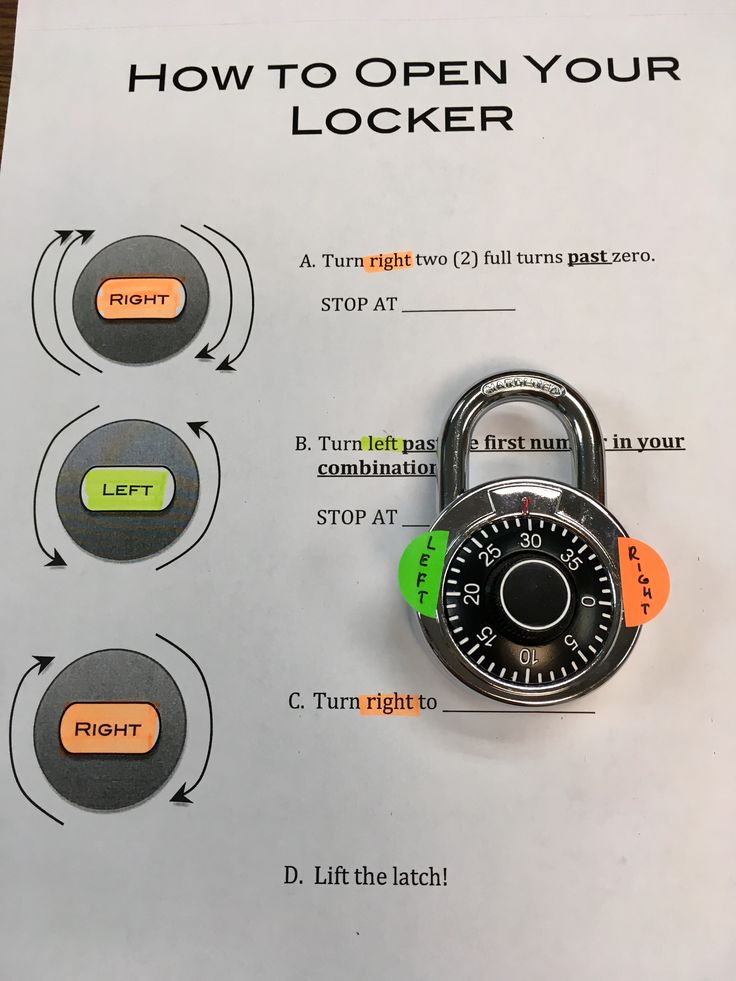
School Locker Lock Instructions: Step-by-Step Guide
Learning how to use a school locker lock correctly can save you time and stress during a busy day. These sturdy metal storage units line the hallways of most...

Find School Locker Locations Brisbane Fast Easy Guide
Finding the perfect school locker location in Brisbane can make a significant difference to your daily school routine. Not only does it help you stay...