Stunning Horizontal Cedar Fences: Durable & Elegant Backyard Designs
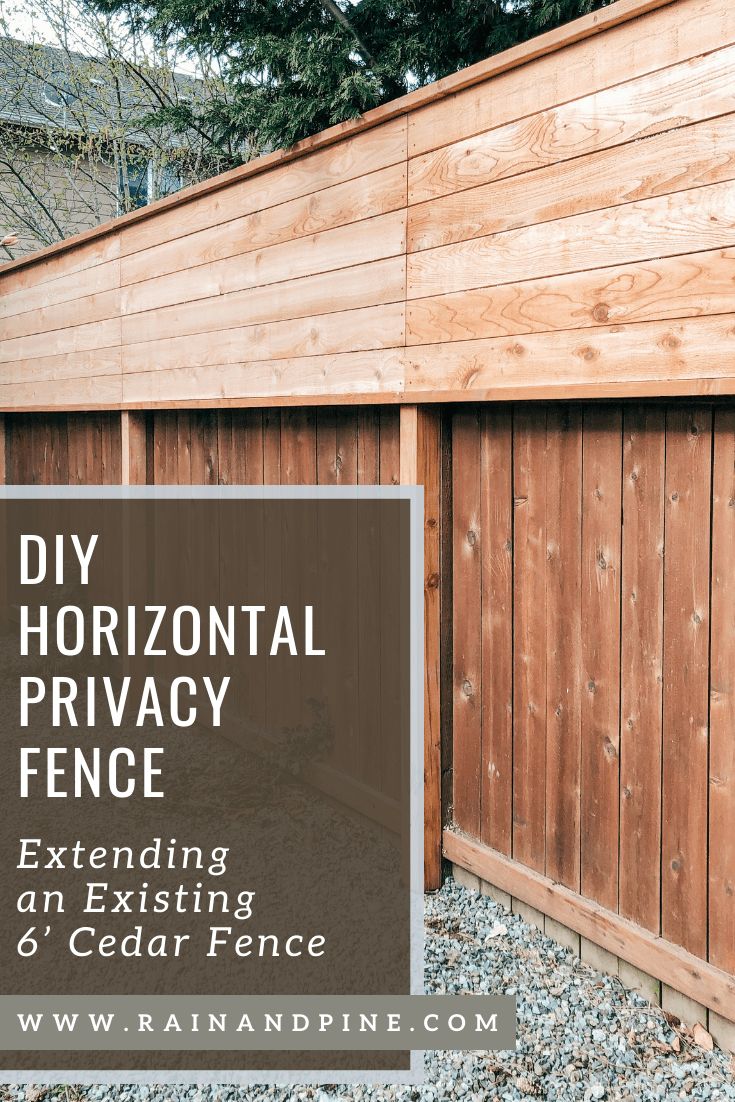
A horizontal cedar fence brings a warm, natural look to nearly any yard, aligning clean lines with time tested wood durability. Unlike generic privacy solutions, these horizontal boards create a distinctive rhythm that feels modern while still honoring classic craftsmanship. Homeowners seeking long lasting outdoor structures often discover that horizontal siding on a fence offers both visual calm and structural strength. The combination of cedar tannins and a horizontal layout helps the fence integrate seamlessly with a wide range of architectural styles.
This style of fence stands out in neighborhoods because the horizontal grain draws the eye along the length of the property, creating a sense of order and openness. Cedar resists rot and insects better than many softer woods, which makes it a practical choice for climates with high moisture or temperature swings. When installed with care, a horizontal cedar fence can quietly signal quality and attention to detail without appearing ostentatious. The result is a boundary that feels welcoming rather than imposing, blending utility with understated elegance.
Material Benefits and Long Term Performance
Choosing cedar for a horizontal fence means prioritizing naturally weather resistant wood that ages gracefully over time. The cellular structure of cedar contains compounds that deter fungal decay and insect activity, reducing the need for aggressive chemical treatments. With regular cleaning and occasional sealing, these horizontal boards can maintain their integrity for decades, even in demanding environments. This longevity translates into lower lifetime costs and less frequent material replacement, making the upfront investment easier to justify.


Modern horizontal cedar fences often incorporate hidden fasteners and precision cuts that keep the appearance streamlined while allowing the wood to expand and contract safely. Manufacturers may offer profile options, such as smooth or routed edges, to suit different design preferences. Proper installation on stable posts, combined with thoughtful spacing between boards, helps prevent warping and keeps the overall line crisp. When paired with corrosion resistant hardware, cedar holds up remarkably well against wind, rain, and daily temperature fluctuations.
Design Consistency and Curb Appeal
Horizontal cedar fences tend to read as more contemporary than traditional post and rail styles, thanks to the continuous lines of the boards. This clean aesthetic supports design consistency across a property, especially when other exterior elements, such as siding or decking, also feature horizontal profiles. Homeowners can choose deeper or narrower boards to adjust the scale of the fence in relation to their house and lot size. The muted tones of cedar pair easily with neutral palettes, accent walls, or natural landscaping, enhancing curb appeal without demanding attention.


Because cedar accepts stains and finishes well, it is straightforward to coordinate the fence with existing outdoor furniture, trims, or architectural details. A darker, semi transparent seal can emphasize the wood grain, while a more opaque color can unify the perimeter with bolder siding hues. Strategic placement of gates and lighting fixtures can further highlight the texture of the horizontal boards. The result is a cohesive exterior look that feels planned, even if the inspiration came primarily from the simple appeal of the fence itself.
Sustainability and Low Maintenance
Many cedar species come from responsibly managed forests, giving environmentally conscious buyers a renewable material option for their perimeter. Choosing a locally sourced cedar provider can reduce transportation emissions and support regional forestry economies. Homeowners seeking certifications, such as those from sustainable forest organizations, often find clear documentation of responsible harvesting practices. Over the life of the fence, this low impact profile is complemented by minimal maintenance requirements compared to softer woods that dent or splinter easily.
Routine care for a horizontal cedar fence usually involves washing away dust and pollen, then inspecting for any loose boards or protruding nails. Re sealing every few years, depending on sun exposure and climate, helps preserve the natural oils that protect the wood. Occasional touch ups on end cuts and around hardware further guard against moisture intrusion. These simple steps contribute to a consistently neat appearance, ensuring the fence remains a reliable asset rather than a recurring project.



Installation Considerations and Layout Planning
Installing a horizontal cedar fence starts with a clear layout plan, marking consistent heights and post positions across the intended boundary. Professionals typically set posts in concrete at recommended intervals, ensuring sufficient depth for stability in various soil conditions. Horizontal boards are then attached with care to maintain even spacing, which aids in drainage and discourages moisture from pooling. Thoughtful layout decisions, such as the choice between full privacy or partial openness, influence how the fence interacts with neighbors, sunlight, and wind patterns.
For slopes or uneven terrain, installers may step the posts and adjust board lengths to keep the horizontal lines graceful rather than strictly parallel to the ground. Using string lines and level tools helps maintain accuracy throughout the project, reducing the risk of a crooked or wavy appearance. Planning for gates, access points, and future outdoor features can prevent the need for later modifications that compromise the integrity of the horizontal alignment. When executed with precision, the installation phase sets the stage for long term performance and visual satisfaction.
Budgeting and Long Term Value
Upfront costs for a horizontal cedar fence can vary based on board dimensions, finish choices, and local labor rates. Obtaining multiple quotes from experienced contractors allows homeowners to compare approaches, while still prioritizing quality materials and sound installation practices. While cheaper alternatives might seem attractive, they often lack the dimensional stability and resistance traits that justify the cedar investment over time. Evaluating the total cost of ownership, including maintenance and potential refinishing, helps clarify the long term value of this option.


Resale value is another consideration, as a well crafted horizontal cedar fence can enhance perceived property quality for future buyers. The combination of attractive grain, durable construction, and clean lines tends to appeal to a broad audience, from families seeking low fuss boundaries to designers valuing material authenticity. When paired with tidy landscaping and complementary hardscape, the fence functions as both a practical barrier and a design statement. Careful planning from the start ensures the project aligns with personal preferences and broader property goals.
Customization and Finishing Touches
Homeowners can personalize a horizontal cedar fence through choices in board width, color, and profile, tailoring the look to match exterior accents. Decorative brackets, subtle lighting, or integrated planters can be added without disrupting the horizontal emphasis of the design. These details help the fence transition smoothly from utilitarian boundary to curated exterior feature. Selecting hardware that coordinates with the finish, such as matte black or weathered bronze hinges, can further refine the overall aesthetic.
For properties with architectural details like wide eaves or angular rooflines, the fence can echo these shapes while remaining distinctly its own element. Working with an installer who understands proportion and sight lines ensures that customization enhances rather than competes with the existing landscape. Thoughtful use of color, whether bold or restrained, can either blend the fence into its surroundings or allow it to stand as a subtle landmark. The result is a tailored solution that feels intentional and well considered.
Selecting a horizontal cedar fence is ultimately about balancing visual style, durability, and personal lifestyle needs in a way that feels authentic and enduring. Understanding the interplay of material qualities, design details, and site conditions helps transform a simple perimeter into a refined outdoor boundary. Taking time to clarify priorities, ask questions of contractors, and evaluate long term benefits ensures the project delivers satisfaction for years to come. Thoughtful planning today can create a welcoming, resilient frame for the outdoor living spaces you envision tomorrow.
Related Articles
100+ Stunning Wood Fencing Horizontal Ideas: Modern & Durable Designs
Horizontal fence ideas transform standard backyard boundaries into striking design features that boost both curb appeal and functionality. A wood fencing...

10 Stunning Types of Cedar Fence Designs for Your Backyard Style
Choosing the right cedar fence design can transform the look and feel of your entire property while providing lasting privacy and security. With a reputation...
Stunning Horizontal Cedar Fence Designs for Modern Outdoor Spaces
Horizontal cedar fence designs bring a timeless, natural warmth to outdoor spaces that few materials can match. As a durable and visually appealing option...
10 Stunning Horizontal Cedar Fence Plans for Your Backyard Design
Planning horizontal cedar fence plans transforms a standard backyard into a stylish and resilient outdoor sanctuary. These layouts combine classic warmth with...
25 Stunning Horizontal Cedar Fence Styles for Modern Backyard Design
Horizontal cedar fence styles bring a timeless, natural warmth to outdoor spaces that few other materials can match. As a durable and aromatic wood, western...

Stunning Decorative Cedar Fence Ideas for Your Backyard Oasis
Decorative cedar fence ideas bring a timeless, organic warmth to any outdoor space, turning a simple boundary into a signature design feature. Cedar’s natural...