"Unlocking Freedom: How to Escape a School Locker"
Getting stuck inside a school locker can be a stressful and slightly embarrassing situation, but it is almost always solvable with a calm and methodical approach. Most modern school lockers are designed with simple mechanical locks and standard dimensions, which means there is usually a logical weak point you can exploit to regain access. Instead of panicking and forcing the door, it is far more effective to assess the mechanism and apply specific techniques that respect the school's property while ensuring your safety. This guide walks you through the practical steps to get out of a school locker, focusing on non-destructive methods that rely on observation and patience rather than brute force.
Before you attempt any physical manipulation, it is crucial to evaluate your immediate environment and internal state. Check if anyone nearby can assist you, either for moral support or to help operate the lock from the outside if you have lost the combination. Take a deep breath and remind yourself that the mechanism is not designed to trap you permanently; most school locks are based on simple pins that align when the correct number sequence is entered. By staying calm and avoiding aggressive shaking or slamming, you reduce the risk of bending the locker door or breaking the lock itself, which could lead to disciplinary action or costly repairs.
Understanding The Lock Mechanism
The first step to solving the problem is understanding how the typical school locker lock works. These locks usually rely on a series of internal pins that must align to the correct height to allow the cylinder to rotate freely. When the combination is dialed correctly, the gates on each pin stack align perfectly, allowing the lock to open. If any pin is misaligned, the cylinder is blocked, and the door will not budge, which is the state you need to diagnose and correct.


You should also familiarize yourself with the physical constraints of the locker opening. The door typically has a slight amount of flex, and the gap around the edges is often just wide enough to reach in and manipulate the latch mechanism gently. Observing how the door moves when you apply pressure from the inside versus the outside can give you valuable clues about where the latch is located and whether the pins are simply stuck or truly misaligned.
Checking For Obstructions And Flexibility
Start by checking for any visible obstructions around the latch area. Sometimes a piece of paper, a loose clothing tag, or a small object can get caught in the mechanism, preventing the door from opening even if the lock is disengaged. Use a flashlight if necessary to look into the gap between the door and the frame, and see if you can identify anything blocking the path. If you see an obstruction, carefully wiggle the door or use a thin, flat object like a plastic card to try to dislodge it without forcing the hinge.


Next, test the flexibility of the locker door by applying gentle, even pressure. Push or pull on different parts of the door to see if it shifts slightly, which indicates that the latch might not be fully engaged. Sometimes, the mechanism is simply stiff due to dust or lack of lubrication, and a bit of wiggling combined with steady pressure can create enough slack to slip your hand behind the door to feel for the latch or lock bolts. This tactile feedback is essential for deciding your next move.
Listening For Clicking Sounds
Another diagnostic technique involves listening carefully while you manipulate the lock. If you have the combination, slowly dial the numbers and pay attention to the distinct clicking sounds that occur as the pins fall into place. A smooth, solid click usually indicates that a pin has set correctly, while a clunky or grinding sound might mean you are forcing the mechanism incorrectly. If the lock feels stuck between numbers, gently reset it to the starting position and try again with slightly more deliberate tension on the pull knob.
If you do not know the combination, listening can still help you understand whether the internal components are moving. Gently shake the lock side to side to feel for loose parts, and turn the knob in very small increments to test if there is any point of resistance that suddenly gives way. This method helps you map out the internal resistance and identify if the problem is a stuck pin versus a misaligned shackle, which determines whether you should focus on picking or lubricating the mechanism.


Non-Destructive Techniques
Once you have assessed the situation, you can move on to practical techniques designed to open the locker without causing damage. The goal is to use your body and simple tools to apply controlled force that respects the school's property. These methods assume you are trying to open a locker that belongs to you or with permission, and they prioritize safety and patience over speed. Remember that rushing often leads to mistakes, so take your time with each step.
One of the most reliable methods involves using your hand or arm to reach behind the latch. By pushing the door firmly from the inside while feeling around the edge, you can often locate the latch mechanism and manually depress or lift it to release the door. This technique requires a combination of flexibility and spatial awareness, but it is highly effective for lockers where the latch is positioned near the top or side of the door frame.
Using A Slim Tool For Assistance
If you cannot reach the latch with your fingers, a slim, flat tool can bridge the gap. Items like a plastic ruler, a sturdy plastic card, or a thin wooden stick can be slid into the gap between the door and the frame to push or pull the latch. The key is to use firm, steady pressure rather than a sharp jab, which could bend the tool or scratch the locker surface. Slowly wiggle the tool while applying pressure until you feel the latch click open, then carefully pull the door toward you.


When using a tool, always choose materials that will not damage the locker or the lock. Metal objects like paperclips or bobby pins should be avoided because they can scratch the paint or get stuck inside the mechanism, potentially causing more problems. Instead, opt for a plastic school ID card or a flexible measuring tape that can conform to the gap without risking permanent marks on the locker's exterior.
Combination Recovery Strategies
If you have forgotten your combination, there are logical steps you can take to recover it without resorting to random guessing. Most school lockers use standard three-number combinations based on simple arithmetic relative to the dial's 40 digits. Recalling the method your school taught you—such as adding a specific number to the sum of the digits or following a particular sequence—can help you reconstruct the code accurately. Write down any clues or patterns you remember, such as birthdays, locker numbers, or common default combinations used by your school.
Another strategy is to check official school resources or contact the administration office. Many schools keep records of assigned lock combinations for security and safety purposes, especially for younger students. A teacher, counselor, or maintenance staff member often has access to a master list or can reset the lock for you. This official channel is the safest and most efficient way to resolve the issue, especially if you are concerned about damaging the property or violating school policy.
When To Seek Help
There are situations where attempting to solve the problem alone is not the best course of action, and recognizing these moments is important. If the lock is physically damaged, if the door is deformed, or if you suspect the mechanism is broken, it is wise to stop and ask an adult for assistance. Forcing a damaged lock can result in metal shards, sharp edges, or a completely seized mechanism, turning a simple inconvenience into a safety hazard or a disciplinary issue.
Seeking help is also the right choice if you feel rushed, anxious, or unsure about the steps. School staff, including janitors, security personnel, and counselors, are trained to handle these situations efficiently and safely. By contacting them, you not only protect the locker from damage but also model responsible problem-solving. This approach demonstrates maturity and respect for school property, which is ultimately more valuable than opening the locker quickly on your own.
Mastering the process of opening a stuck locker teaches patience and practical problem-solving that extends beyond the classroom. By understanding the mechanics, applying gentle techniques, and knowing when to ask for help, you transform a moment of frustration into a lesson in responsibility. As you move forward, carry this calm, analytical mindset to other challenges, trusting that careful observation and the right approach usually reveal a clear path forward.
Related Articles

School Locker Statistics: Unlocking Facts and Figures
School locker statistics reveal a fascinating layer of daily life inside educational institutions, capturing how students navigate their time between classes...

Locker Decorations Ideas for Middle School: Trendy Designs & DIY Hacks
Middle school is such a transformative time, and the way students personalize their spaces can say a lot about their growing sense of self. A locker is more...
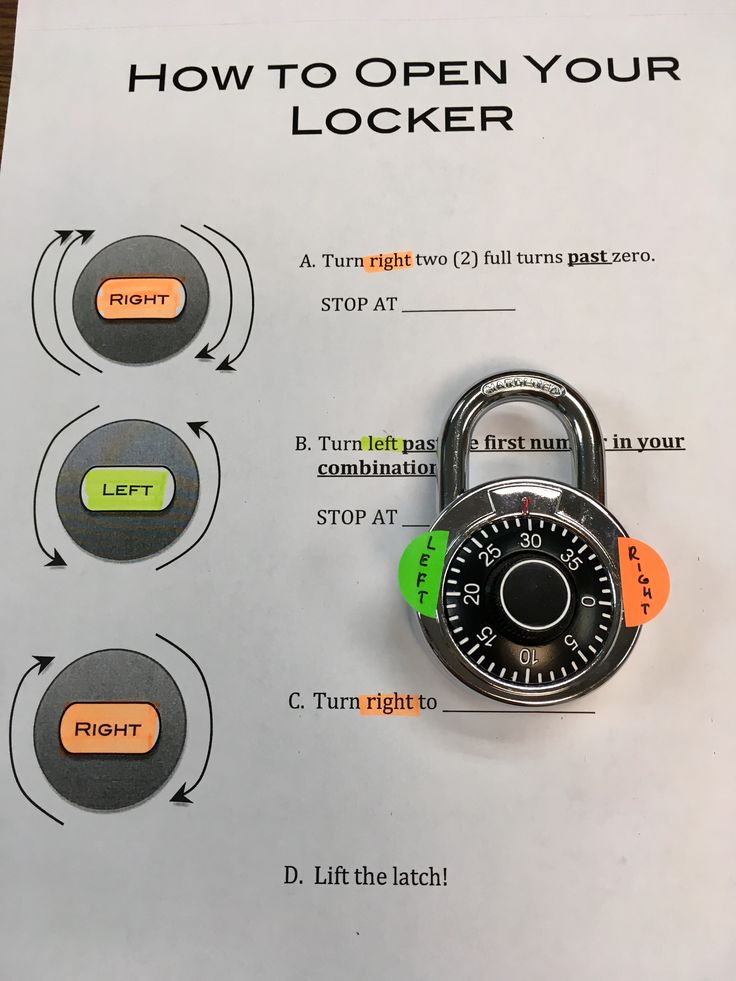
School Locker Lock Instructions: Step-by-Step Guide
Learning how to use a school locker lock correctly can save you time and stress during a busy day. These sturdy metal storage units line the hallways of most...

100+ School Locker Quotes Witty Inspirational Sayings For Students
School lockers have long been more than just storage spaces for books and backpacks. They've evolved into canvases for self-expression, with school locker...

Find School Locker Locations Brisbane Fast Easy Guide
Finding the perfect school locker location in Brisbane can make a significant difference to your daily school routine. Not only does it help you stay...

Maximize Space: The Ultimate High School Locker Storage Guide
High school locker storage is often the unsung hero of the daily school routine, quietly managing the chaos of textbooks, coats, and personal items for...