School Locker Statistics: Unlocking Facts and Figures
School locker statistics reveal a fascinating layer of daily life inside educational institutions, capturing how students navigate their time between classes. These numbers reflect not just storage usage but also shifting campus culture and security expectations. By analyzing this data, administrators, parents, and students can better understand the hidden patterns of the school day.
From the moment a student receives their first combination lock, the locker becomes a personal command center for books, devices, and personal items. Modern tracking systems now digitize this once analog space, generating precise school locker statistics that highlight trends in usage, security incidents, and even student punctuality. These metrics help schools balance safety with student autonomy in increasingly detailed ways.
Usage Patterns and Peak Traffic Times
Analysis of school locker statistics often focuses on when hallways become busiest, which typically aligns with class changeovers and lunch periods. Data shows that lockers experience the most activity during transitions, creating a concentrated window where security and crowd management are tested. Understanding these peaks allows schools to adjust supervision, staffing, and even bell schedules to improve flow.


Longitudinal studies of school locker statistics indicate that usage frequency varies by grade level, with middle school students visiting their lockers more often than high schoolers who may opt for rolling bags. Additionally, semester exams and project deadlines can create secondary spikes as students shuffle materials between home and school. These patterns highlight the locker's role as a flexible hub within a dynamic academic environment.
Daily Visit Frequency
Surveys and sensor data in modern schools reveal that the average student accesses their locker at least four times a day, though this number climbs during shorter class periods or large campuses. High-frequency users are often those involved in extracurricular activities who need to store sports gear or costumes alongside academic supplies. These school locker statistics help facilities planners optimize the number of available compartments per building.


Further breakdowns show that locker visits are rarely evenly distributed across the day, with a sharp decline in traffic right after lunch and again late in the afternoon. Schools that have adopted digital pass systems can correlate locker openings with movement logs, refining their understanding of how students prioritize time between classes. This granular insight supports smarter scheduling and reduces hallway congestion over time.
Space Utilization Rates
Space utilization rates derived from school locker statistics measure how often individual compartments are accessed and how consistently they are filled to capacity. In many districts, these metrics indicate that a small percentage of lockers are inactive, either because students use digital devices or share storage with friends. Recognizing underused space can prompt schools to reconfigure layouts or repurpose surplus compartments for supplies or lost-and-found items.
Advanced analytics also track how locker size preferences vary by activity, with taller students gravitating toward larger units and athletes often needing extra room for equipment. By overlaying demographic data with space utilization, administrators can design more equitable storage policies. These insights turn raw numbers into actionable design improvements that enhance the daily experience for students and staff alike.


Security and Incident Data
Security-related school locker statistics provide crucial insight into the effectiveness of current protocols and the prevalence of minor infractions within campus culture. Theft, vandalism, and unauthorized access attempts are logged through digital locks or incident reports, creating a measurable baseline for safety officers. Tracking these metrics over time allows schools to identify hotspots and respond with targeted interventions or infrastructure upgrades.
Moreover, the presence of surveillance and clear policies can be correlated with changes in these statistics, offering evidence of what deters misconduct. When students perceive lockers as secure, they are more likely to store valuable devices, reducing the temptation to carry items in crowded hallways. This contributes to a safer, more orderly environment where trust and responsibility are reinforced through data-driven decisions.
Theft and Vandalism Trends
Reported incidents of theft from school locker statistics typically show that most events involve opportunistic taking of unattended items rather than sophisticated break-ins. Security cameras, improved lock designs, and regular audits have contributed to a decline in certain types of theft in recent years. Schools that implement clear consequences and promote awareness see stronger compliance and fewer repeat offenses over time.


Vandalism trends, such as scratching or denting locker surfaces, often peak at the start of the school year and after major campus events. Analyzing these patterns helps staff schedule additional cleaning and maintenance before issues escalate. By addressing these behaviors early, schools foster a culture of respect for shared property and reduce long-term repair costs.
Access Control Effectiveness
Access control mechanisms, from traditional combinations to modern biometric or app-based systems, are regularly evaluated using school locker statistics on unauthorized entry attempts. A low rate of failed or suspicious entries indicates that current technology is functioning as intended and students are following proper procedures. High failure rates, however, may prompt training sessions or hardware upgrades to minimize frustration and maintain security.
Data also shows that schools which periodically rotate lock codes or update digital credentials experience fewer security breaches. Coupling technology with clear communication about responsibility helps students understand the importance of safeguarding their personal access methods. This combination of technical and cultural measures strengthens the overall integrity of the locker system.
Impact on School Operations and Planning
Related Articles

Current Recycling Statistics Trends 2024 Facts and Figures
Recycling statistics reveal a complex picture of progress and persistent challenges in the global effort to manage waste responsibly. These figures track how...

"Unlocking Freedom: How to Escape a School Locker"
Getting stuck inside a school locker can be a stressful and slightly embarrassing situation, but it is almost always solvable with a calm and methodical...

Recycling Industry Statistics: Facts & Figures
The recycling industry plays a pivotal role in preserving our planet's resources and reducing waste. As global awareness of environmental issues grows, so does...

Locker Decorations Ideas for Middle School: Trendy Designs & DIY Hacks
Middle school is such a transformative time, and the way students personalize their spaces can say a lot about their growing sense of self. A locker is more...
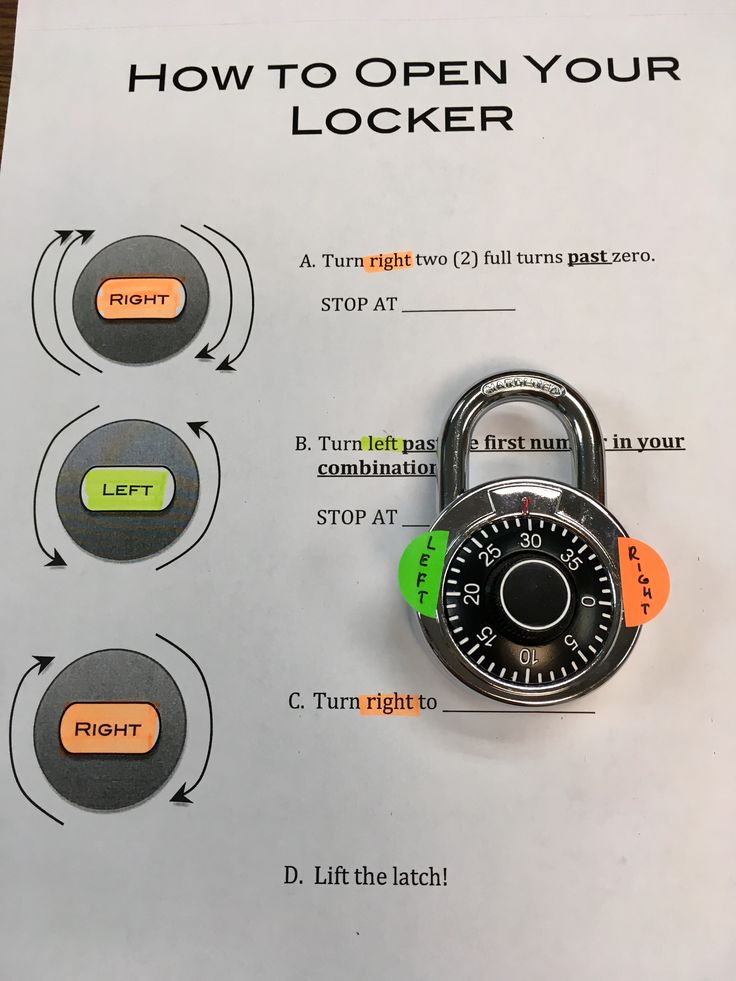
School Locker Lock Instructions: Step-by-Step Guide
Learning how to use a school locker lock correctly can save you time and stress during a busy day. These sturdy metal storage units line the hallways of most...

100+ School Locker Quotes Witty Inspirational Sayings For Students
School lockers have long been more than just storage spaces for books and backpacks. They've evolved into canvases for self-expression, with school locker...