How to Have the Best Vegetable Garden: Ultimate Growing Guide
Creating a thriving vegetable garden starts with a clear vision of what you want to grow and why.
Whether you have a sprawling yard or a small balcony, understanding your space and goals helps you design a productive and beautiful kitchen garden.
Planning Your Garden Space
Good planning is the foundation of any successful vegetable patch, as it saves time and reduces future frustration.


By mapping out your area, you can organize crops logically and ensure healthy growth conditions for everything you plant.
Choosing the Right Location
Select a spot that gets at least six hours of direct sunlight daily, as most vegetables need ample light to flourish.


Avoid low-lying areas where cold air settles or water pools, and position the garden near a water source for convenience.
Preparing the Soil
Healthy soil is the key to strong roots, so start by testing its pH and nutrient levels to understand what is missing.
Add generous amounts of compost or well-rotted manure to improve drainage, fertility, and soil structure before sowing seeds.


Choosing What to Grow
Selecting the right vegetables for your climate and taste ensures you stay motivated throughout the growing season.
Focus on crops that your family loves to eat and that suit your local weather and the space you have available.
Seasonal and Climate Considerations
Cool-season crops like lettuce and peas perform best in early spring or fall, while heat-lovers such as tomatoes thrive in summer.


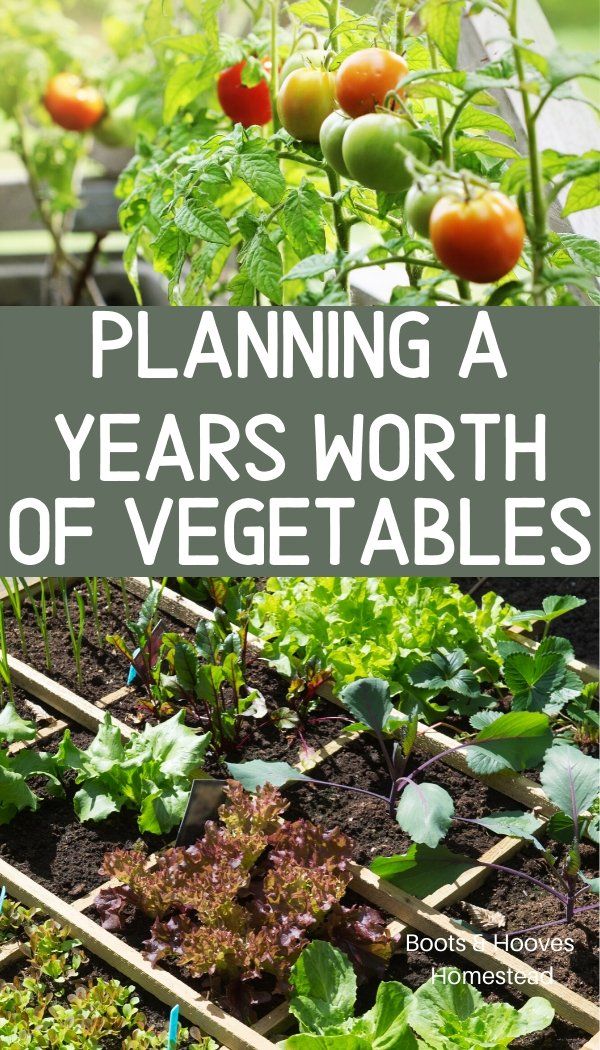


Check your USDA hardiness zone or local growing calendar to time plantings so crops mature during favorable conditions.
Succession Planting and Crop Rotation
Planting small batches of seeds every few weeks extends the harvest window for fast-growing crops like radishes and greens.
Rotate plant families each year to prevent soil-borne diseases and pests from building up in the same spot.
Companion Planting
Pairing compatible plants, such as carrots with onions or tomatoes with basil, can enhance flavor and deter pests naturally.
Strategic companion planting also maximizes space and improves pollination, leading to higher yields and stronger plants.
Planting and Ongoing Care
Proper planting techniques and consistent care keep your vegetables productive and resilient against stress.
From sowing seeds to watering and feeding, attention to detail ensures vigorous growth and a bountiful harvest.
Watering and Mulching
Water deeply and consistently at the base of plants, aiming to keep the soil moist but not waterlogged.
Apply a layer of organic mulch around the plants to retain moisture, suppress weeds, and stabilize soil temperature.
Support Structures and Pruning
Use stakes, cages, or trellises for vining crops like beans and cucumbers to keep fruits off the ground and improve airflow.
Regularly remove suckers, prune damaged leaves, and thin crowded seedlings to encourage healthy development and higher yields.
By paying attention to planning, soil health, crop selection, and consistent care, your vegetable garden becomes a reliable source of fresh, homegrown food.
As you observe each season's progress and refine your methods, the garden evolves into a rewarding space that connects you with nature and your meals.
Related Articles

The Best Indoor Herb Garden Kit Reviewed 2024: Ultimate Growing Guide
Choosing the right indoor herb garden kit can transform your kitchen into a fresh, aromatic sanctuary while ensuring you always have vibrant herbs on hand for...

DIY Indoor Vegetable Garden System: The Ultimate Guide to Growing Fresh Produce at Home
Transform your living space into a lush, green oasis with a DIY indoor vegetable garden system. This sustainable and rewarding hobby not only provides fresh...

Starting a Vegetable Garden from Scratch: The Ultimate Beginner’s Guide to Growing Your Own Fresh Produce
Embarking on the rewarding journey of starting a vegetable garden from scratch can be an incredibly satisfying experience. Not only does it provide you with...

The Best Indoor Vegetable Garden System for Beginners: Your Easy Start Guide
Embarking on the journey of indoor vegetable gardening can be an incredibly rewarding experience, especially for beginners. With the right system, you can grow...

How to Plan a Backyard Vegetable Garden: The Ultimate Step-by-Step Guide
Transforming your backyard into a thriving vegetable garden can be a rewarding experience, providing you with fresh, organic produce while enhancing your...

The Ultimate Guide to an Indoor Vegetable Garden for Apartment Fresh Produce
Living in an apartment does not mean you have to give up on the satisfaction of growing your own food, and an indoor vegetable garden for apartment spaces is...