Transform Your Futon: 7 Easy Ways to Make It Cozier Than Your Couch
Transforming a basic futon into a genuinely comfortable couch setup is one of the smartest ways to maximize space and style in any living area without investing in extra furniture. Whether your futon serves as a daily seating spot for movie nights or as an occasional guest bed, comfort is often the first thing people notice when they sink in.
This guide walks you through practical, budget friendly steps to turn your rigid frame into a cozy couch like experience. From simple cushioning tricks to smarter layout adjustments, you will learn how to make the surface softer, the support smarter, and the whole arrangement more inviting for long relaxing sessions.
Upgrade Your Seating Surface
The first step toward comfort is improving the feel of the seating surface itself, and this usually starts with high quality cushions. Look for dense foam or memory foam pads that contour to your body instead of thin, flat pads that offer only superficial softness.


Layering different cushion sizes and shapes, such as lumbar rolls, bolsters, and wide throw pillows, creates a custom fit for your back and arms. Choosing firm support pieces under softer covers prevents that dreaded sinkhole feeling while still delivering a plush, couch like embrace.
Select the Right Mattress or Topper
If your futon frame has a thin or sagging mattress, no amount of pillow arranging will feel truly couch like. A high density foam mattress topper, at least two inches thick, can dramatically improve support and pressure relief without taking up much space.


Memory foam or hybrid toppers with cooling covers work especially well because they adapt to your curves while spreading your weight evenly across the frame. You gain the plush feel of a bed with the structural backing that prevents long term sagging and keeps your spine aligned.
Layer Textures and Fabrics Strategically
Soft blankets and throws draped across the seat and back add both warmth and visual depth, making the whole area feel more like a traditional couch. Choose materials like chenille, faux fur, or chunky knits that feel luxurious against the skin and encourage lingering in the space.
Mixing patterns, such as subtle stripes with solid colors or a neutral base with a bold accent throw, helps the futon area stand out in the room. Just be sure the base colors remain cohesive with your existing decor so the comfort upgrades look intentional rather than cluttered.


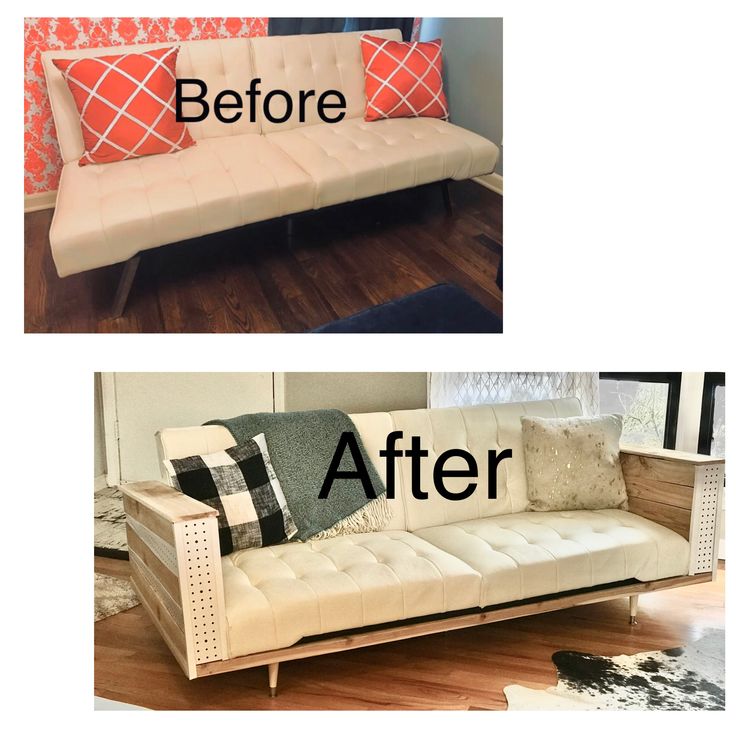
Enhance Support and Stability
True comfort for sitting relies on balanced support, not just softness, so reinforcing weak points in the frame pays off in everyday use. Many futons develop sagging spots where people sit most often, and targeted fixes can bring back the firm foundation that cushions need to perform well.
Positioning a low profile support board or extra slats under the seat area distributes weight more evenly and reduces the dip over time. With better underlying support, your cushions stay at the right height, making it easier to get in and out of the seat without feeling like you are sinking too low.
Use Modular Furniture to Your Advantage
Stackable side tables, nesting stools, or compact ottomans can function as extra seating when friends visit and as supportive surfaces when you want to relax your feet. These movable pieces let you adjust the layout quickly, creating a deeper seating area that feels closer to a conventional couch.


When you choose pieces with storage or hidden functions, such as hollow ottomans or trays with lids, you keep throw blankets, remotes, and snacks organized without cluttering the main seating zone. The result is a versatile arrangement that feels both practical and cocooning, especially during movie marathons or game nights.
Anchor the Setup with a Rug
A soft rug beneath the futon visually grounds the piece and defines the seating zone within the room, giving it the look and feel of a dedicated couch area. Long runners or large rectangular rugs placed under the full length of the frame add texture underfoot and reduce noise when you shift positions.
Look for low pile rugs that resist tripping hazards yet provide enough cushioning to make standing up from a lower seat more comfortable. A well chosen rug also ties together the colors of your cushions and throws, creating a unified, inviting space that feels intentionally designed for relaxing.
Optimize Your Room Layout
The surrounding environment plays a big role in how comfortable a futon couch feels, starting with traffic flow and sightlines in the room. Clearing a clear path to seating, and positioning the piece away from constant door opening or drafty windows makes everyday use much more pleasant.
Placing the futon near a window for natural light or against a feature wall with artwork gives the area a sense of purpose. When the seating faces a focal point in the space, people naturally settle in for longer periods, turning casual sitting into a more relaxing routine.
Arrange Lighting for Atmosphere
Overhead harsh lighting can make the futon area feel clinical, so layering warm, dimmable light sources creates a cozy vibe perfect for unwinding. Table lamps, floor lamps with warm bulbs, or wall sconces positioned beside the seating provide flattering illumination for reading or conversation.
Smart bulbs or plug in dimmers add another level of control, letting you adjust brightness to match the time of day or activity. Soft, indirect light encourages lingering and makes the entire setup feel more like a curated couch zone than a basic bed frame in sitting position.
Incorporate Practical Storage Solutions
Clutter quickly undermines any comfort upgrade, so integrating smart storage keeps the area looking calm and ready for guests. Bins, baskets, or compact shelving tucked beside or beneath the futon hold extra pillows, blankets, and entertainment items within easy reach.
Using matching containers or labeled boxes creates a streamlined look so the storage itself feels like part of the design rather than a necessary afterthought. A tidy space makes it easier to relax, knowing that everything you need is organized and out of the way when you want to enjoy your couch like futon experience.
Fine Tune for Long Term Enjoyment
Comfort is not a one time setup but an ongoing process, so regular maintenance ensures your futon couch continues to feel supportive and inviting. Rotating and flipping cushions, fluffing pillows, and airing out the mattress help prevent permanent lumps or odors that diminish the experience.
Seasonal adjustments, like adding extra padding in winter or swapping to lighter fabrics in summer, keep the seating in tune with your comfort preferences year round. Small, consistent care routines extend the life of your investment and make the space feel consistently welcoming.
Personalize With Small Details
Adding a personal touch through artwork, plants, or meaningful decor transforms the futon area from a functional spot into a reflection of your style. A single statement piece above the seating or a row of framed photos nearby creates a sense of warmth and familiarity.
Incorporating scents, whether through a subtle essential oil diffuser or naturally fragrant textiles like linen throws, can enhance relaxation without being overwhelming. These thoughtful details turn everyday use into a small daily ritual that consistently feels special to you.
Balance Function and Style for Your Lifestyle
Comfort does not have to mean sacrificing practicality, especially in multi use rooms where the futon transitions between seating and sleeping. Choosing machine washable slipcovers, easy to remove cushion covers, and stain resistant fabrics keeps the space looking fresh with minimal effort.
By aligning your comfort upgrades with how you actually live in the space, you create a seating area that supports both relaxation and everyday demands. The result is a well balanced spot that feels as good as it looks, encouraging you to use and enjoy it every day.
With these targeted improvements, your futon can evolve from a simple sleeping surface into a versatile, inviting couch like centerpiece that suits both everyday relaxation and occasional hosting. Each adjustment you make contributes to a more welcoming atmosphere, encouraging you to slow down and enjoy your own space. Experiment with these ideas, notice what feels best in your home, and continue refining the setup so your futon truly becomes the cozy couch you look forward to using.
Related Articles
How to Make a Futon Couch More Comfortable 10 Easy Fixes
Many people rely on a futon couch as a daily sleeping surface or a versatile living area that transitions from day to night. Over time, however, a thin...

Maximize Comfort: How to Transform Your Futon into a Perfect Sitting Spot
Many people discover that a classic foldable design offers a practical solution for small spaces, yet the firm surface often leads to discomfort during...

Maximize Comfort: How to Make Your Japanese Futon Cozier
Making your Japanese futon more comfortable is about understanding how each layer works together to support your body. A traditional setup relies on a...

Transform Your Space: 10 Easy Steps to Make Your Room More Aesthetic
Transforming your room into a visually appealing sanctuary doesn't require a complete overhaul or a hefty budget. With a few strategic changes, you can create...

How to Make Dining Room Chairs More Comfortable: Easy Fixes
Spending long hours in the dining room has become common for many people who work from home or simply enjoy relaxing with a book after dinner, so comfort at...

How to Make Your Wood Fence More Private 10 Easy DIY Tips
Homeowners often look for practical ways to make wood fence more private without sacrificing natural charm. A simple wooden fence can provide a warm, classic...