How to Make a Futon More Comfortable: 10 Easy Hacks
Many people rely on a futon for daily sleeping or lounging, yet comfort often feels like an afterthought.
Whether you use it as a permanent bed, a guest bed, or a flexible living space piece, a few simple adjustments can transform your setup from merely functional to genuinely restful.
Upgrade Your Surface Layer Comfort
The surface you contact directly dictates how your body feels at the end of a long day, so focusing on the top layers is essential for real comfort.


Investing in high quality padding and topper materials helps distribute your weight evenly and reduces pressure points on hips and shoulders.
Select a High Density Foam or Fiber Pad
Replace any thin, lumpy pad with a high density foam option that offers consistent support without sacrificing softness.


Alternatively, a layer of natural fiber batting, such as cotton or wool, can provide a breathable, responsive feel that conforms gently to the body.
Use a Plush Futon Mattress Topper
A thick mattress topper, whether memory foam, latex, or quilted, adds an immediate cushion of softness while still supporting spinal alignment.
Look for options with a removable, washable cover to keep your sleeping surface fresh and hygienic over time.


Strengthen the Base Support System
True comfort is not just about softness; it also depends on a sturdy, reliable base that keeps your spine neutral and your joints aligned.
Many standard frames sag over time, so reinforcing the structure helps maintain proper support for years of use.
Reinforce the Frame or Slats
Check the wooden slats or metal frame for any weak spots, and consider adding extra support beams or replacing damaged pieces promptly.


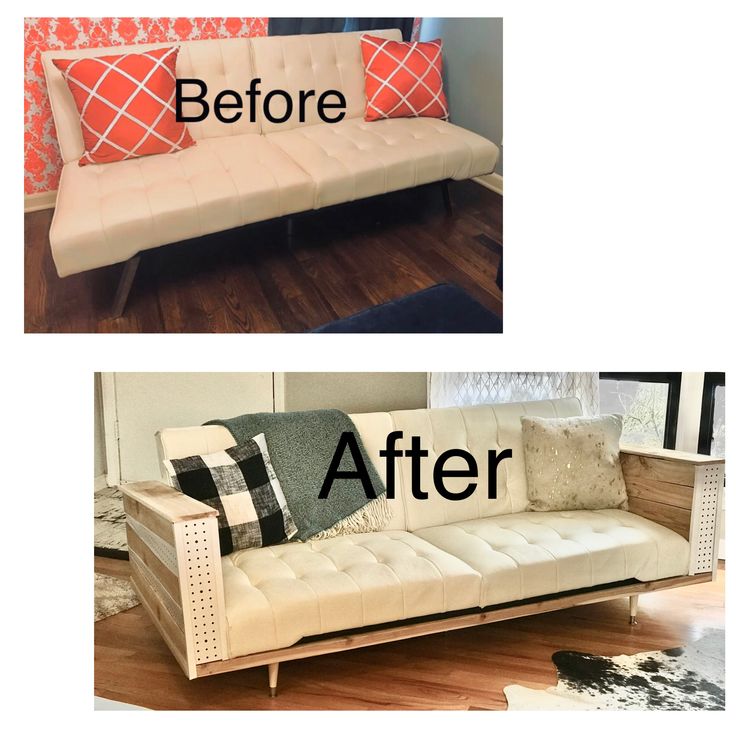


For metal frames, tightening bolts and adding felt pads can reduce noise and prevent wobbling that disturbs rest.
Place a Solid Foundation on the Floor
Set the futon on a firm, level surface rather than on thick carpet, which can cause uneven sinking and back strain.
If needed, use a flat board or reinforced platform to create a stable sleeping area that mimics the reliability of a traditional bed.
Enhance the Room Environment Around Your Futon
Comfort extends beyond the physical structure and includes lighting, temperature, and the overall atmosphere of the room.
Creating a calming space makes it easier to unwind and helps your mind associate the futon with rest and relaxation.
Control Lighting and Noise Levels
Use blackout curtains or shades to block excess light, and consider a small white noise machine to mask disruptive sounds.
Keep the area tidy and free of visual clutter so the bedroom or living space feels serene rather than chaotic.
Optimize Temperature and Airflow
Since futons can trap heat, choose breathable cotton or linen bedding and keep the room at a slightly cooler temperature for deeper sleep.
Regularly open windows or use a fan to circulate air, especially if the futon sits directly against a wall.
Maintain Your Futon for Long Term Comfort
Routine care is often overlooked but plays a major role in how the futon feels and performs over months or years of daily use.
Simple habits like rotating the mattress and cleaning spills promptly extend its life and preserve its supportive qualities.
Rotate and Air Out the Futon Regularly
Flip or rotate the mat periodically to prevent uneven wear and reduce permanent body impressions in one area.
On dry days, carry it outside for a few hours so the natural air can refresh the fibers and eliminate musty odors.
Spot Clean and Deep Clean the Covers
Address stains immediately with mild soap and water, and follow the manufacturer's instructions for washing removable covers.
For non-removable covers, use a gentle fabric cleaner and a soft brush, then allow the futon to dry completely to prevent mold growth.
Small, consistent changes add up, turning your everyday sleeping or lounging spot into a cozy, dependable retreat that supports both body and mind.
Related Articles
How to Make a Futon Couch More Comfortable 10 Easy Fixes
Many people rely on a futon couch as a daily sleeping surface or a versatile living area that transitions from day to night. Over time, however, a thin...

How to Make Dining Room Chairs More Comfortable: Easy Fixes
Spending long hours in the dining room has become common for many people who work from home or simply enjoy relaxing with a book after dinner, so comfort at...
Maximize Comfort: How to Transform Your Futon into a Perfect Sitting Spot
Many people discover that a classic foldable design offers a practical solution for small spaces, yet the firm surface often leads to discomfort during...
Best Comfort Solutions What Can I Put On A Futon To Make It More Comfortable
Transforming your futon into a cozy sanctuary doesn't require a complete overhaul. With the right additions, you can significantly enhance its comfort. Let's...

How to Make a White Dresser Look Vintage Chic Easy DIY Hacks
Transforming a white dresser into a vintage piece is an exciting DIY project that can add a touch of old-world charm to your space. With the right techniques...

How to Make Your Wood Fence More Private 10 Easy DIY Tips
Homeowners often look for practical ways to make wood fence more private without sacrificing natural charm. A simple wooden fence can provide a warm, classic...