Effortlessly Remove Paint from Metal Porch Railings: Step-by-Step Guide
Tackling the task of removing paint from a metal porch railing can seem daunting, but with the right techniques and tools, it's a manageable project. This guide will walk you through a step-by-step process to help you restore your metal railing to its former glory, ensuring your porch remains a welcoming entryway.
Before you begin, gather your materials and ensure you're working in a well-ventilated area. Safety first! Now, let's dive into the process of removing paint from your metal porch railing.
Understanding the Paint Type and Surface
Before you start, it's crucial to identify the type of paint on your metal railing. Is it oil-based, latex, or perhaps a specialty paint? Understanding the paint type will help you choose the most effective removal method. Additionally, assess the condition of the metal surface. Is it rusted, or does it have any damage that needs addressing before painting?

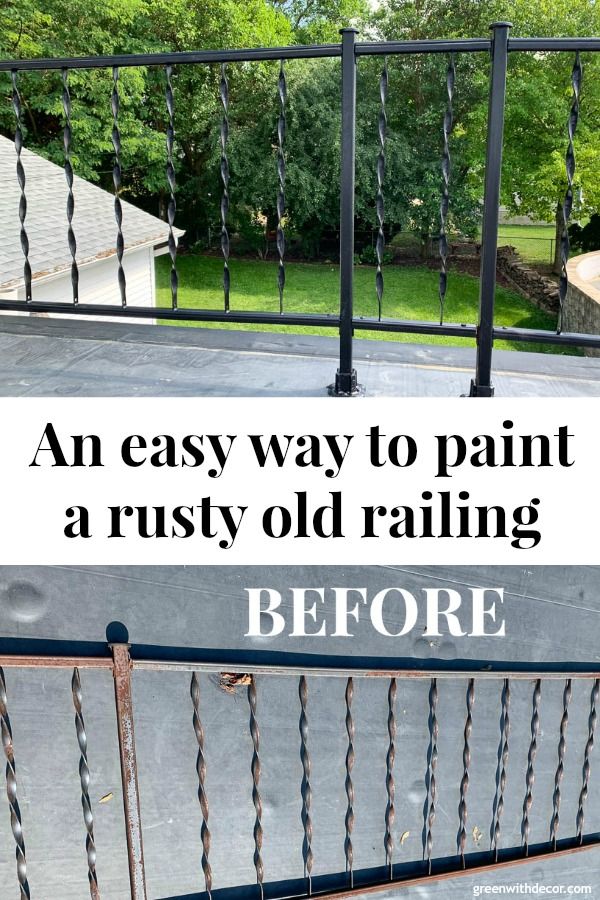

Once you've identified the paint type and assessed the surface, it's time to choose your removal method. The following sections will guide you through the most common techniques for removing paint from metal.
Chemical Paint Strippers
Chemical paint strippers are powerful solutions designed to break down and dissolve paint, making it easier to remove. They are particularly useful for removing multiple layers of paint or when dealing with oil-based paints. Always follow the manufacturer's instructions when using chemical strippers.


To use a chemical paint stripper, apply a thick, even coat to the metal surface using a paintbrush. Allow the stripper to sit for the recommended time, usually between 15 to 30 minutes. Then, use a paint scraper or putty knife to remove the softened paint. Rinse the surface with water and allow it to dry before proceeding with any further treatment or painting.
Sanding
For small areas or touch-ups, sanding can be an effective method for removing paint from metal. This method works best on latex paints and is less aggressive than chemical strippers. However, it requires more elbow grease and may not be suitable for large surfaces or multiple layers of paint.
Using medium-grit sandpaper, sand the paint in the direction of the metal's grain. Work in small sections, applying even pressure, and be sure to wear a dust mask to protect your lungs. Once you've removed the paint, wipe the surface with a damp cloth to remove any remaining residue and allow it to dry before proceeding.


Preparing the Metal Surface for Painting
With the paint removed, it's essential to prepare the metal surface for painting to ensure the best possible results and longevity. This step involves cleaning, priming, and sometimes, addressing any rust or damage.
Start by cleaning the metal surface using a mild detergent and water. Rinse thoroughly and allow it to dry completely. If the metal is rusted, use a wire brush or sandpaper to remove the rust, then apply a rust-inhibiting primer before painting.
Cleaning and Degreasing
Even if you've removed the paint, the metal surface may still have dirt, grease, or other contaminants that can interfere with paint adhesion. Use a degreasing agent or a mixture of dish soap and water to clean the surface thoroughly. Rinse with clean water and allow it to dry completely before priming.


For tough grease or grime, you may need to use a stronger cleaner, such as a trisodium phosphate (TSP) solution. Always follow the manufacturer's instructions when using TSP, as it can be harsh and may require protective gear.
Priming
Priming the metal surface is crucial for creating a smooth, even base for your new paint and ensuring better adhesion. Choose a primer specifically designed for metal surfaces and apply it using a paintbrush or roller, following the manufacturer's instructions. Allow the primer to dry completely before painting.
If you're working with a rusted surface, use a rust-inhibiting primer to help prevent future rust formation. These primers contain pigments and inhibitors that create a barrier against moisture and oxygen, the primary causes of rust.
With your metal porch railing properly prepared, it's time to choose your paint and apply a fresh, new coat. By following these steps, you'll have a beautiful, well-protected entryway that welcomes visitors with style. Happy painting!
Related Articles

Mastering Metal: Step-by-Step Guide to Painting Stair Railings
Transforming a worn metal stair railing into a sleek design centerpiece is one of the most rewarding ways to refresh your home. Many homeowners assume that...
How to Remove Metal Porch Railing: A Step-by-Step Guide
Tired of the dated look of your metal porch railing? Ready to give your home's exterior a fresh, modern update? Removing metal porch railing might seem like a...

Effortlessly Remove Contact Paper from Walls: A Step-by-Step Guide
Removing contact paper from walls can feel like a simple cleanup task, yet it often turns into a frustrating battle against stubborn adhesive and potential...

How to Paint a Metal Crib: A Step-by-Step Guide
Learning how to paint a metal crib is one of the most rewarding DIY projects for parents who want to refresh a hand-me-down or customize a new nursery...

How to Remove Stair Railing and Balusters: Step-by-Step Guide
Embarking on a home improvement project can be an exciting journey, and removing stair railing and balusters can be a significant step towards transforming...

How to Remove Trim from a Doorway: Step-by-Step Guide
Removing trim from a doorway is a straightforward task when you understand the right sequence of steps and use the correct tools for the job. This guide will...