Is Warm Light Better Than Cool Light The Ultimate Showdown
When it comes to choosing the right lighting for your space, one of the most common questions that arises is: is warm light better than cool light? The answer to this isn't as straightforward as you might think, as it largely depends on the atmosphere you're aiming to create and the specific activities you'll be doing in the room.
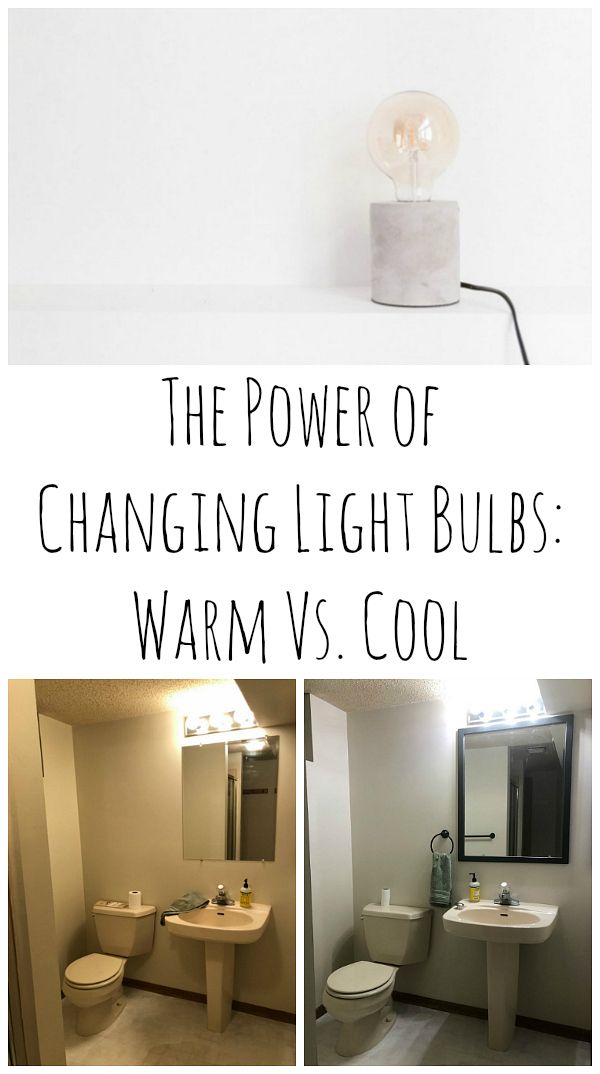
Warm light, often referred to as soft white, emits a yellowish or orange hue, reminiscent of a sunset or a cozy fireplace. It's typically used to create a relaxing, inviting, and intimate atmosphere. On the other hand, cool light, also known as daylight or bright white, emits a blueish or bluish-white hue, similar to natural daylight. It's often used in spaces where alertness and productivity are key, such as offices or study rooms.
Understanding the Color Temperature Scale
The color temperature scale, measured in Kelvin (K), is a useful tool in understanding the difference between warm and cool light. On this scale, lower Kelvin values indicate warmer light, while higher values indicate cooler light. Warm light typically ranges from 2700K to 3000K, while cool light ranges from 5000K to 6500K.


It's important to note that the color temperature scale is logarithmic, meaning that each step up the scale represents a significant jump in perceived warmth or coolness. For instance, the difference between a 2700K bulb and a 5000K bulb is much greater than the difference between a 5000K bulb and a 6500K bulb.
Warm Light: Pros and Cons
Warm light has a number of benefits. It can make a room feel more inviting and comfortable, making it a great choice for living rooms, bedrooms, and dining rooms. It can also help to hide imperfections in walls and ceilings, making it a good choice for older homes with less-than-perfect surfaces. Additionally, warm light is less likely to cause eye strain, making it a good choice for late-night reading or watching TV.


However, warm light also has its downsides. It can make a room feel smaller and more cramped, as the warm hue can make walls and ceilings appear closer. It can also make it harder to see details, as the lower light output can make it more difficult to see fine print or small objects. Finally, warm light can cast a yellowish glow that can make your space feel dull or outdated.
Cool Light: Pros and Cons
Cool light has its own set of advantages. It can make a room feel larger and more spacious, as the cool hue can make walls and ceilings appear farther away. It can also make it easier to see details, as the higher light output can make it easier to see fine print or small objects. Additionally, cool light can make a room feel more energizing and alert, making it a good choice for offices, kitchens, and bathrooms.
However, cool light also has its downsides. It can make a room feel cold and uninviting, making it less suitable for living rooms, bedrooms, and dining rooms. It can also cause eye strain, especially in the evenings when your body is producing melatonin to prepare for sleep. Finally, cool light can cast a harsh, blueish glow that can make your skin appear dull or sallow.



The Role of Lighting in Different Rooms
When choosing between warm and cool light, it's important to consider the specific needs of the room. For instance, bedrooms and bathrooms typically require a mix of both warm and cool light. Warm light can be used for relaxation and grooming tasks, while cool light can be used for reading or applying makeup.
On the other hand, offices and kitchens typically require more cool light. However, this doesn't mean you can't incorporate warm light as well. A warm light fixture can be used to create a cozy nook in an otherwise brightly lit kitchen, while a warm lamp can provide a soft glow in an otherwise stark office.
Layering Lighting for Optimal Results
One of the best ways to create a well-lit space is to layer your lighting. This involves using a combination of ambient, task, and accent lighting to create a balanced and inviting atmosphere. Ambient lighting provides overall illumination, while task lighting provides targeted light for specific activities. Accent lighting is used to highlight architectural features or artwork.


When layering lighting, it's important to consider the color temperature of each light source. For instance, you might use warm ambient lighting to create a cozy atmosphere, while using cool task lighting to provide enough light for reading or cooking. You can also use warm accent lighting to create a focal point, while using cool accent lighting to highlight a specific feature.
Ultimately, the choice between warm and cool light depends on the specific needs and aesthetic of your space. By understanding the benefits and drawbacks of each, you can make an informed decision that will help you create a comfortable, inviting, and functional home. So, is warm light better than cool light? The answer is: it depends. The best lighting solution is one that balances both, creating a space that is both functional and inviting.
Related Articles
Is Warm Light Better Than White Light The Ultimate Showdown
When it comes to lighting our homes and workspaces, the debate between warm and white light often arises. Both have their unique characteristics and benefits...

Warm Light vs Soft Light Bulb The Ultimate Showdown For Your Home
Choosing the right lighting for your home can feel overwhelming, especially when terms like warm light and soft light bulb appear in product descriptions...

Are Rib Tips Better Than Ribs: The Ultimate Showdown
When it comes to barbecue, few questions spark more debate than whether rib tips are better than ribs, especially among enthusiasts chasing that perfect bite...

Are Futons Better Than Sofa Beds: The Ultimate Space Saving Showdown
When it comes to multifunctional furniture, two popular choices often come to mind: futons and sofa beds. Both serve the purpose of providing additional...

Is Warm Light Better Than White Light for Studying? The Science of Focus
When it comes to creating an optimal study environment, the type of lighting can significantly impact focus, productivity, and even mood. Two popular choices...

Is It Better to Sleep on a Futon or Mattress? The Ultimate Comfort Showdown
When it comes to choosing the right bedding for a comfortable night's sleep, two popular options often come to mind: futons and mattresses. Both have their...