Is Warm Light Better Than White Light The Ultimate Showdown
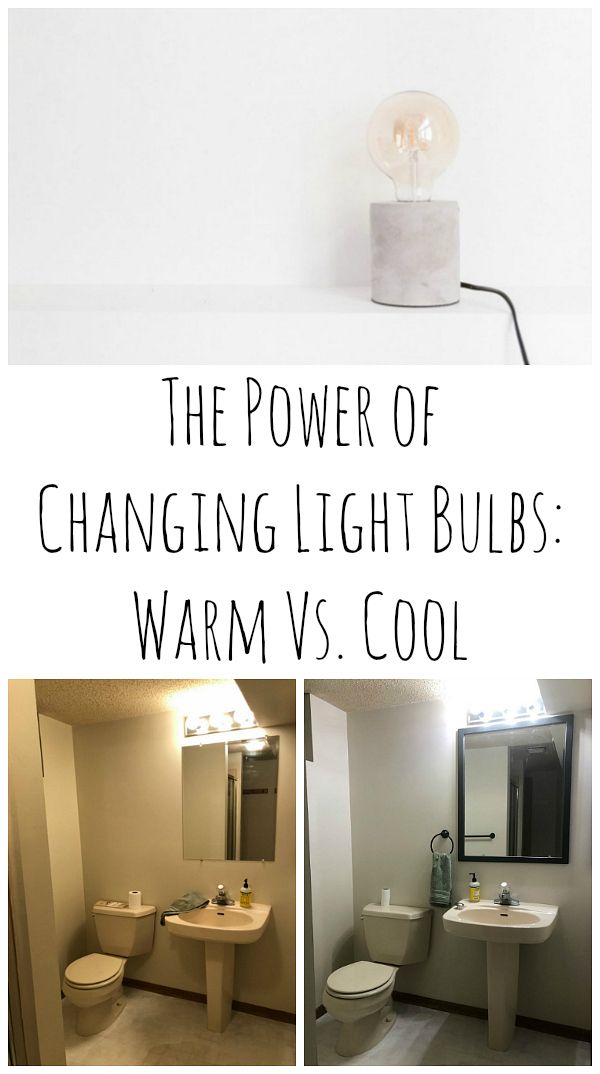
When it comes to lighting our homes and workspaces, the debate between warm and white light often arises. Both have their unique characteristics and benefits, but which one is better? The answer largely depends on your personal preferences, the specific needs of the space, and the atmosphere you want to create. Let's delve into the world of warm and white light to help you make an informed decision.
Light is measured in Kelvin (K), a scale that ranges from 1,000K to 10,000K. On this scale, lower Kelvin values represent warmer colors, while higher values indicate cooler, whiter light. Warm light typically falls between 2,700K to 3,300K, while white light ranges from 4,000K to 6,500K.
Understanding Warm Light
Warm light is often associated with a cozy, inviting atmosphere. It's reminiscent of the soft, golden hues of a sunset or a crackling fireplace. This type of lighting is ideal for creating a relaxed, comfortable environment in living rooms, bedrooms, and dining areas.


Warm light can also enhance the appearance of your space. It tends to bring out the rich, warm tones in wood, leather, and other natural materials, creating a harmonious, cohesive look. Additionally, warm light can make a room feel smaller and more intimate, which can be beneficial in large, open-plan spaces.
Benefits of Warm Light
1. Promotes Relaxation: Warm light has a calming effect on the brain, reducing stress and promoting relaxation. It's perfect for winding down after a long day.


2. Enhances Mood: Warm light can boost your mood and make you feel more positive. It's often used in therapeutic settings to create a soothing, nurturing environment.
Drawbacks of Warm Light
1. Reduced Visibility: While warm light creates a lovely ambiance, it may not provide the same level of brightness as white light. This can make tasks like reading or working more challenging.
2. Not Suitable for All Spaces: Warm light might not be the best choice for spaces that require high levels of brightness, such as kitchens, bathrooms, or home offices.


Exploring White Light
White light, on the other hand, offers a crisp, clean, and energizing atmosphere. It's often used in spaces where clarity and focus are crucial, such as offices, classrooms, and workshops.
White light can also make a room feel larger and more spacious. It reflects off surfaces more efficiently than warm light, creating a brighter, more vibrant environment. This can be particularly beneficial in small, dark spaces.
Benefits of White Light
1. Improves Focus and Productivity: White light stimulates the brain, helping you stay alert and focused. It's ideal for tasks that require concentration and precision.




2. Enhances Color Perception: White light allows you to see colors accurately, which is essential for tasks like painting, design work, or choosing matching outfits.
Drawbacks of White Light
1. Can Be Harsh and Unflattering: White light can cast unflattering shadows and highlight imperfections, making it less suitable for living spaces and bedrooms.
2. May Disrupt Sleep Patterns: Exposure to white light in the evening can interfere with your body's production of melatonin, a hormone that regulates sleep. This can lead to disrupted sleep patterns and insomnia.
In conclusion, neither warm nor white light is universally 'better' than the other. Both have their unique advantages and disadvantages, and the best choice depends on your specific needs and preferences. Consider the function of the space, the atmosphere you want to create, and the activities that will take place there. Ultimately, the goal is to create a well-lit, comfortable, and functional space that supports your lifestyle and enhances your well-being.
Related Articles
Is Warm Light Better Than Cool Light The Ultimate Showdown
When it comes to choosing the right lighting for your space, one of the most common questions that arises is: is warm light better than cool light? The answer...

Is Warm Light Better Than White Light for Studying? The Science of Focus
When it comes to creating an optimal study environment, the type of lighting can significantly impact focus, productivity, and even mood. Two popular choices...

Is Warm White Light Better for Photos Tips and Truths
When it comes to photography, the type of light can significantly impact the final outcome of your images. One question that often arises is whether warm white...
White Light vs Warm Light: Which is Better for Your Home?
When it comes to choosing the right light for your space, two popular options often come to mind: white light and warm light. Both have their unique...

Warm Light vs Soft Light Bulb The Ultimate Showdown For Your Home
Choosing the right lighting for your home can feel overwhelming, especially when terms like warm light and soft light bulb appear in product descriptions...

Are Rib Tips Better Than Ribs: The Ultimate Showdown
When it comes to barbecue, few questions spark more debate than whether rib tips are better than ribs, especially among enthusiasts chasing that perfect bite...