Unlocking Success The Ultimate Guide To Locker Middle School
Locker middle school is a critical transition period for students, marking the end of elementary education and the beginning of high school preparation. As students navigate through this phase, they encounter numerous challenges and opportunities that shape their academic and personal growth.
This stage of education is characterized by increased academic rigor, diverse extracurricular activities, and the formation of lasting peer relationships. It's a time when students start to explore their interests, develop their identities, and prepare for the future. Let's delve into the key aspects of locker middle school, their significance, and how they influence a student's journey.
The Academic Rigor of Locker Middle School
Locker middle school is often associated with an increase in academic expectations and workload. This shift is intentional, designed to prepare students for the demands of high school and beyond. Subjects become more specialized, and students are encouraged to develop critical thinking and problem-solving skills.


This enhanced academic rigor can be intimidating, but it also presents an opportunity for students to develop resilience and time management skills. It's a chance for them to learn how to handle challenging coursework, balance multiple subjects, and manage their time effectively.
The Role of Core Subjects
Core subjects like English, mathematics, science, and social studies form the backbone of middle school curriculum. These subjects provide a broad, foundational knowledge that prepares students for advanced coursework in high school.


For instance, a strong foundation in mathematics is crucial for understanding advanced topics like algebra and calculus. Similarly, a robust understanding of English helps students excel in writing-intensive courses and comprehend complex texts in other subjects.
The Introduction of Electives
Middle school also introduces students to electives, allowing them to explore subjects they're passionate about. These can range from foreign languages and arts to technology and physical education.
Electives provide a break from the core curriculum, fostering creativity, and encouraging students to pursue their interests. They also offer a glimpse into potential career paths, helping students make informed decisions about their future.


Extracurricular Activities in Locker Middle School
Extracurricular activities play a significant role in middle school, offering students the chance to develop skills, build confidence, and forge lasting friendships. They also provide a much-needed break from academics, promoting well-rounded development.
Sports, clubs, and arts programs are common in middle schools. These activities foster teamwork, leadership, and perseverance. They also provide a sense of belonging, helping students navigate the social dynamics of middle school.
Sports and Physical Activities
Middle school sports teams offer students the opportunity to develop physically, learn new skills, and compete against peers. They also teach discipline, sportsmanship, and the importance of practice and dedication.


For students who prefer individual pursuits, middle schools often offer intramural sports or fitness classes. These allow students to stay active and maintain a healthy lifestyle while having fun.
Clubs and Arts Programs
Clubs and arts programs cater to students' intellectual and creative interests. From debate teams and academic bowls to band and theater, these activities provide a platform for students to express themselves, learn new skills, and connect with like-minded peers.
These programs also foster a sense of community, bringing students together around shared interests. They can be a lifeline for students who may feel overlooked or marginalized in other aspects of school life.
Social Development in Locker Middle School
Middle school is a time of significant social and emotional growth. Students are navigating new peer dynamics, exploring their identities, and learning to manage their emotions. These experiences shape their sense of self and their relationships with others.
While this period can be challenging, it's also an opportunity for students to develop essential life skills. They're learning to communicate effectively, resolve conflicts, and build healthy relationships.
The Formation of Peer Relationships
Middle school is where many students form lasting friendships and romantic relationships. These connections can provide emotional support, encourage positive decision-making, and foster a sense of belonging.
However, they can also present challenges. Students are learning to navigate complex social dynamics, manage peer pressure, and cope with rejection. It's a time when they're figuring out who they are and where they fit in.
Identity Development
Middle school is a critical period for identity development. Students are exploring their values, beliefs, and aspirations. They're also becoming more aware of their strengths and weaknesses, and how these shape their self-image.
This process of self-discovery can be exciting and empowering, but it can also be confusing and unsettling. Students may struggle with feelings of self-doubt or confusion about their place in the world.
As students navigate the challenges and opportunities of locker middle school, it's essential to remember that this phase is not just about academic achievement. It's about growth, exploration, and discovery. It's about learning to navigate the complexities of life, to understand oneself, and to connect with others. It's a journey that every student takes at their own pace, and it's a journey that sets the stage for the rest of their lives.
Related Articles

Maximize Space: The Ultimate High School Locker Storage Guide
High school locker storage is often the unsung hero of the daily school routine, quietly managing the chaos of textbooks, coats, and personal items for...

Middle School Locker Room Rules: Essential Guide for Students and Parents
Navigating the middle school locker room can be an exciting yet daunting experience. It's a space where students store their belongings, socialize, and...
Locker Decorations Ideas for Middle School: Trendy Designs & DIY Hacks
Middle school is such a transformative time, and the way students personalize their spaces can say a lot about their growing sense of self. A locker is more...
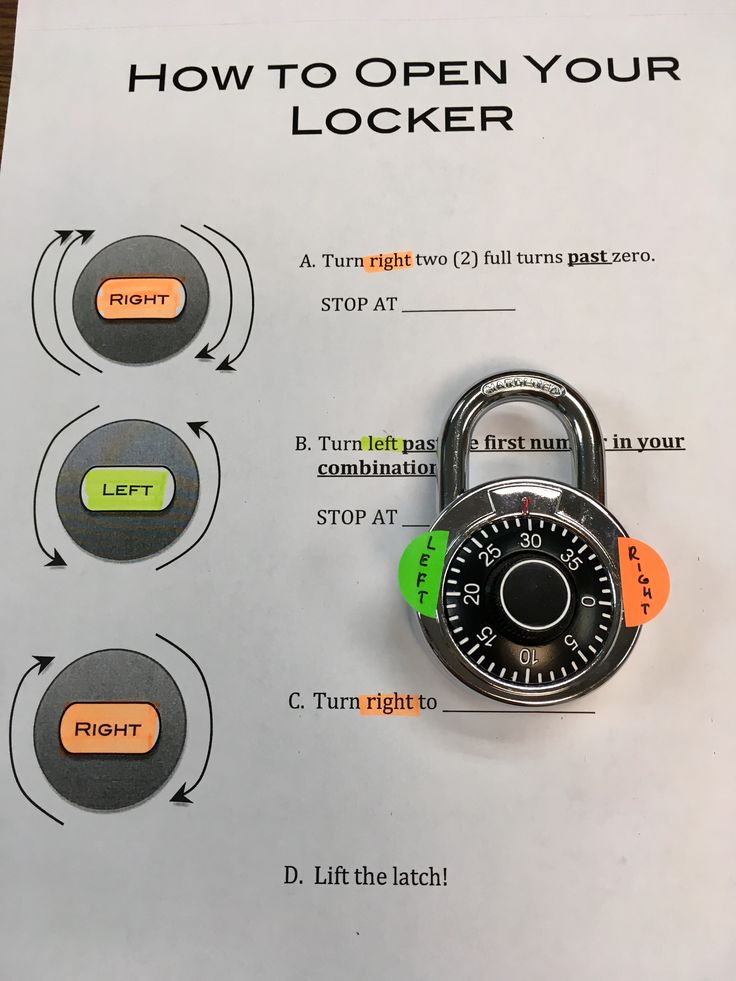
School Locker Lock Instructions: Step-by-Step Guide
Learning how to use a school locker lock correctly can save you time and stress during a busy day. These sturdy metal storage units line the hallways of most...

Find School Locker Locations Brisbane Fast Easy Guide
Finding the perfect school locker location in Brisbane can make a significant difference to your daily school routine. Not only does it help you stay...
Middle School Locker Designs: Inspiring Ideas for Students
Choosing the right locker designs for middle school is a pivotal decision that impacts daily organization and personal confidence. At this unique age, students...