School-Issued Lock: Essential for School Safety
A school issued lock is a specialized security device assigned to an individual student to protect personal belongings during the school day. These locks are typically provided by the educational institution and are intended to secure items such as backpacks, lunchboxes, and electronics inside cubbies, lockers, or classroom storage areas. The design and function of a school issued lock focus on durability, simplicity, and cost effectiveness to meet the needs of a high traffic educational environment. Understanding the role of these locks helps parents and students appreciate how they contribute to a safer and more organized school routine.
Many schools rely on standardized lock systems to maintain consistency across grades and buildings. A well implemented lock policy ensures that every student has equal access to secure storage without the need for expensive personal solutions. Administrators often choose designs that are easy to manage, allowing staff to rekey or replace combinations when necessary. By using a centralized system, schools can also monitor usage patterns and address issues like lost keys or forgotten combinations more efficiently.
Types and Features of School Issued Locks
Several common types of school issued lock exist, each chosen based on budget, security requirements, and the age of the students. Combination locks are popular because they eliminate the need for physical keys that can be lost. Basic padlock styles with simple mechanisms are often preferred for younger students who may struggle with more complex devices. Schools may also provide built in locks for certain furniture, creating a seamless solution that requires no extra accessories.


When evaluating a school issued lock, important features include robustness against manipulation, resistance to cutting, and ease of use in crowded spaces. Weather resistance can be crucial in schools where sports equipment is stored near exterior lockers. A reliable lock should also function smoothly at different temperatures, especially in buildings without climate control. These characteristics ensure that the lock remains dependable throughout an entire academic year.
Combination Management
Effective combination management is essential for maintaining the integrity of a school issued lock system. Many schools provide students with a printed card or digital record where combinations are stored securely. Teachers or administrators may also keep master lists in locked cabinets to assist students who forget their codes. Establishing clear procedures for changing combinations at the start of each term adds an extra layer of security.


Training students on how to set and remember their combinations reduces the likelihood of lost property. Schools often recommend avoiding simple number patterns that are easy to guess. Instructors may demonstrate techniques for associating combinations with memorable dates or personal cues. With consistent practice, managing a school issued lock becomes a routine skill that students develop over time.
Security and Practical Considerations
Security is a primary concern when implementing a school issued lock strategy. While these locks are not designed to resist professional tampering, they effectively deter casual theft within a busy school environment. Strategically placing lockers in supervised areas, such as near main hallways, can further discourage unauthorized access. Clear signage about lock usage and consequences for interference reinforces a culture of respect for personal property.
Practical considerations also influence the selection and placement of a school issued lock. Schools must consider factors such as available wall space, budget constraints, and the volume of student traffic. Maintenance plans ensure that locks remain operational through regular inspections and lubrication. Addressing these details early helps avoid disruptions and keeps storage areas functioning smoothly.


Emergency Access Procedures
Schools establish emergency access procedures to handle situations where a student is unable to open their school issued lock. Trained staff members may follow a protocol that involves verifying identity and obtaining approval before intervening. In some cases, master keys or override combinations are kept in a restricted area for authorized personnel. Documenting these interventions helps maintain transparency and accountability.
Clear communication with families about emergency access policies prevents confusion and builds trust. Parents should understand under what circumstances school staff can access a lock and how they will be notified. Students are taught to seek assistance promptly if they encounter difficulties, reducing the risk of damage to stored items. These measures ensure that safety and access remain balanced priorities.
Daily Routines and Student Responsibilities
Daily routines play a significant role in ensuring that a school issued lock provides reliable protection. Students are typically encouraged to check their locks each morning and confirm that they are properly engaged. Teachers may allocate a few minutes at the beginning or end of class for securing personal items. Reinforcing these habits helps prevent forgetfulness and reduces the chances of lost or stolen belongings.


Assigning age appropriate responsibilities fosters independence and respect for the school issued lock system. Younger students may receive step by step guidance on opening and closing their locks under supervision. Older students are often expected to manage their combinations and report issues before they escalate. When students take ownership of these tasks, the overall efficiency of storage areas improves significantly.
By addressing both the technical and human aspects of school security, the humble school issued lock becomes more than just a hardware component. It represents a shared commitment to safety, responsibility, and order within the learning environment. Thoughtful implementation and consistent education allow these systems to function effectively without causing unnecessary stress. Approaching lock policies with attention to detail ensures that students and staff can focus on what truly matters, which is education and growth.
Related Articles

Essential Child Lock for Kitchen Safety: Secure Your Home Now
In the bustling heart of every home, the kitchen stands as a hub of activity, a place where culinary magic happens, and where safety should always be a...
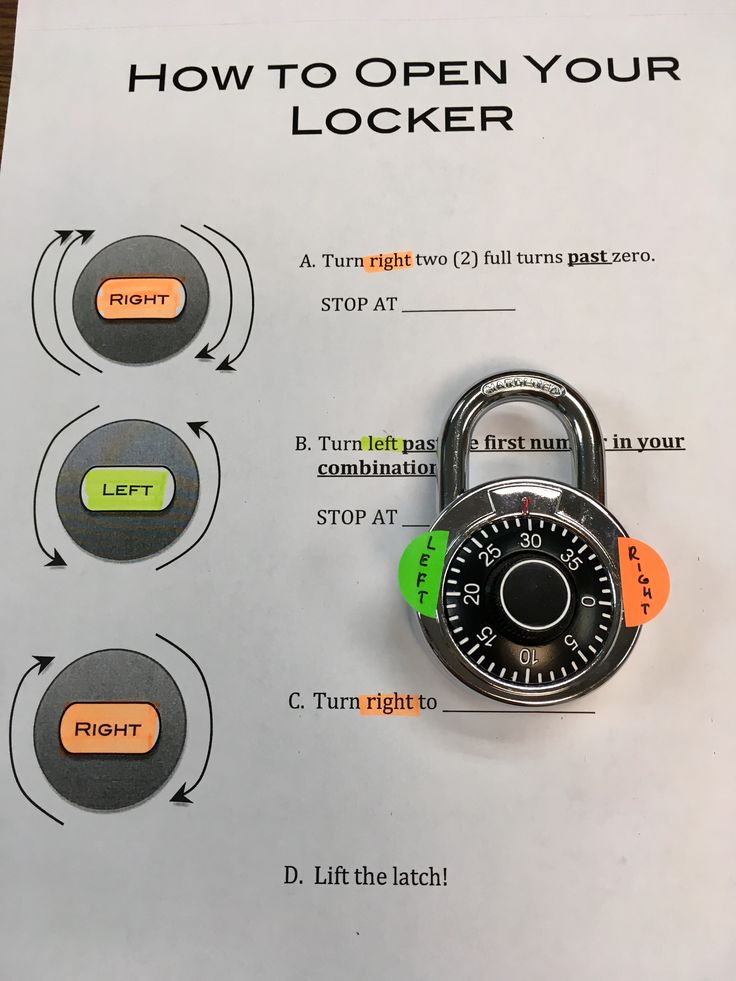
Essential School Lock Instructions Quick Guide
School lock instructions are a crucial aspect of maintaining security and order in educational institutions. Whether you're a student, teacher, or parent...

School-Issued Devices: Maximizing Learning, Minimizing Hassle
When we talk about resources provided directly by the educational institution, the phrase school issued becomes critically important for clarity and precision...
School Locker Lock Instructions: Step-by-Step Guide
Learning how to use a school locker lock correctly can save you time and stress during a busy day. These sturdy metal storage units line the hallways of most...

Toilet Privacy Lock: Essential Bathroom Security
Privacy is a fundamental right, and it extends to our most intimate spaces, including the bathroom. A toilet privacy lock is not just a simple mechanism; it's...

Essential Interior Railing Types Guide Modern Designs Safety Tips
Interior railing types define both the safety and the style of your home, acting as vital barriers and design statements in hallways, on decks, and around...