Essential School Lock Instructions Quick Guide
School lock instructions are a crucial aspect of maintaining security and order in educational institutions. Whether you're a student, teacher, or parent, understanding how to use and manage school locks can help ensure the safety and well-being of everyone in the school community. This guide will walk you through the basics of school lock systems, their types, and how to use them effectively.
School locks play a vital role in securing classrooms, offices, and other facilities within the school premises. They help prevent unauthorized access, protect valuable assets, and ensure the safety of students and staff. By familiarizing yourself with the different types of school locks and their operation, you can contribute to a safer and more secure learning environment.
Types of School Locks
Schools use various types of locks to cater to different security needs. Understanding these types can help you identify and operate locks more efficiently.
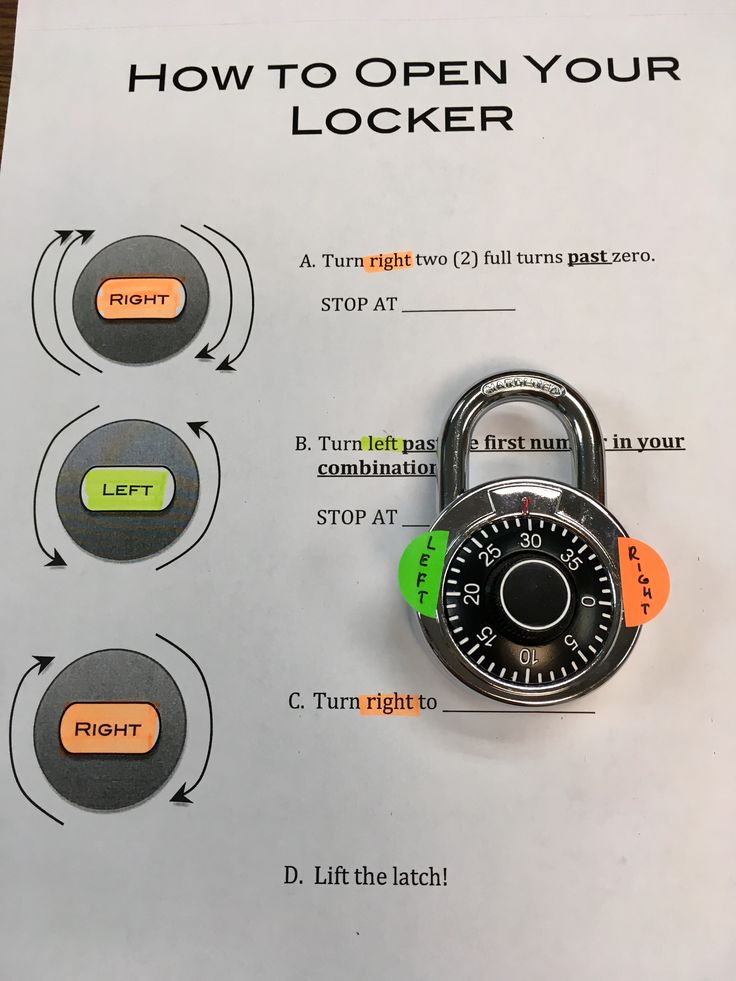


1. **Keyed Locks**: These are traditional locks that require a physical key to open. They are commonly used in classrooms, offices, and storage rooms. Keyed locks can be further categorized into single-keyed and master-keyed systems.
Single-Keyed Locks
In a single-keyed lock system, each lock has a unique key. This system is simple to manage but may require more keys to be carried around by authorized personnel.


**Example**: A single-keyed lock system might be used in a small school where each classroom has a unique lock, and the janitor carries a separate key for each room.
Master-Keyed Locks
A master-keyed lock system features a hierarchy of keys. Each lock has a unique key, but there's also a master key that can open all locks in the system. This system is convenient for administrators and maintenance staff who need access to multiple rooms.
**Example**: In a large school, the principal might have a master key that can open all classrooms, while teachers have individual keys for their respective classrooms.


Lock Management Best Practices
Proper lock management is essential for maintaining a secure school environment. Here are some best practices to follow:
1. **Key Control**: Implement a strict key control policy to monitor who has access to keys. This can help prevent unauthorized duplication and distribution of keys.
Key Sign-Out and Sign-In
Establish a key sign-out and sign-in system to track who has borrowed a key and when. This can help identify any missing keys and ensure accountability.


**Example**: A school might use a physical key logbook or an electronic system to record key sign-outs and sign-ins.
Regular Key Audits
Conduct regular key audits to ensure that all keys are accounted for and that no unauthorized keys have been made. This can help identify any security vulnerabilities and address them promptly.
**Example**: A school might conduct a key audit annually or after any significant changes in staff or student population.
In conclusion, understanding school lock instructions and best practices for lock management can significantly enhance the security and safety of your school. By familiarizing yourself with the different types of school locks and implementing proper key control measures, you can contribute to a more secure learning environment. If you're a school administrator, consider organizing regular training sessions to educate staff and students on proper lock usage and management. By working together, we can create a safer and more secure school community.
Related Articles
School Locker Lock Instructions: Step-by-Step Guide
Learning how to use a school locker lock correctly can save you time and stress during a busy day. These sturdy metal storage units line the hallways of most...

How to Unlock a School Locker Lock: Easy Step-by-Step Guide
Ever found yourself in a pickle, standing in front of your school locker, books in hand, and lock refusing to budge? You're not alone. School lockers can...

How to Open Old School Locker Lock Easy Guide
Ever found yourself in a nostalgic trip down memory lane, only to be thwarted by an old school locker lock that's seen better days? You're not alone. These...
School Locker Lock How To Open Easy Step By Step Guide
Ever found yourself standing in front of your school locker, staring at the lock, and drawing a blank on how to open it? You're not alone. School locker locks...

School-Issued Lock: Essential for School Safety
A school issued lock is a specialized security device assigned to an individual student to protect personal belongings during the school day. These locks are...
Easy Locker Lock Instructions Step by Step Guide
Ever found yourself locked out of your school locker, office cabinet, or gym storage, frantically searching for those elusive locker lock instructions? You're...