School Locker Exchange Policy: A Comprehensive Guide
In the bustling environment of schools, locker exchange policies play a pivotal role in ensuring the safety, security, and convenience of students. These policies, when well-defined and communicated effectively, can significantly enhance the overall school experience. Let's delve into the intricacies of school locker exchange policies, their importance, and best practices.
School lockers serve as a vital storage space for students, allowing them to securely store books, personal belongings, and sports equipment. However, with the high turnover of students and the need for flexibility, locker exchange policies become necessary. These policies enable students to switch lockers, often at the beginning of a new academic year or semester, ensuring that each student has a locker that suits their needs and schedule.
Understanding School Locker Exchange Policies
School locker exchange policies are designed to manage the allocation and reallocation of lockers among students. These policies aim to balance the demand for lockers with the available supply, ensuring that as many students as possible have access to a locker.


Effective locker exchange policies consider various factors, including the number of lockers available, the size and layout of the locker bay, the number of students requiring lockers, and the specific needs of students, such as those involved in sports or with heavy textbooks.
Key Components of a School Locker Exchange Policy
To ensure fairness and efficiency, a comprehensive locker exchange policy should include the following key components:


- Eligibility Criteria: Clearly define which students are eligible for a locker, such as grade level or specific needs.
- Locker Allocation Process: Outline the process for assigning lockers, including any priority systems, lottery methods, or first-come-first-served basis.
- Locker Exchange Period: Specify the timeframe during which students can exchange their lockers, typically at the start of a new academic year or semester.
- Locker Transfer Process: Detail the steps involved in transferring lockers, including any required forms, approvals, or notifications.
- Locker Maintenance and Cleanliness: Establish guidelines for keeping lockers clean and well-maintained, including any consequences for neglecting these responsibilities.
Best Practices for Implementing Locker Exchange Policies
To ensure the smooth implementation of locker exchange policies, schools can adopt the following best practices:
- Communicate Effectively: Clearly communicate the locker exchange policy to students, parents, and guardians through newsletters, emails, and announcements. Ensure that the policy is easily accessible on the school's website.
- Provide Adequate Support: Offer support to students and families during the locker exchange process, such as providing assistance with locker combinations or answering queries about the policy.
- Monitor and Adjust: Regularly review and update the locker exchange policy to ensure it remains fair, efficient, and responsive to the needs of students. Gather feedback from students, parents, and staff to make informed adjustments.
The Role of Locker Exchange Policies in Promoting School Culture
Beyond their practical benefits, locker exchange policies can play a significant role in promoting a positive school culture. By fostering a sense of fairness, cooperation, and mutual respect, these policies can help create a harmonious learning environment.
When implemented thoughtfully, locker exchange policies can encourage students to work together, support one another, and develop a sense of community. For instance, peer mentoring programs can be established to help younger students navigate the locker exchange process, fostering a sense of camaraderie and shared responsibility.


Encouraging Responsibility and Accountability
Locker exchange policies provide an opportunity to instill a sense of responsibility and accountability in students. By clearly communicating expectations for locker maintenance and cleanliness, schools can help students develop essential life skills, such as time management, organization, and self-discipline.
Moreover, by holding students accountable for their lockers, schools can promote a culture of respect for school property and the belongings of others. This can help to deter vandalism, theft, and other forms of misconduct, contributing to a safer and more secure learning environment.
In the dynamic landscape of school life, locker exchange policies serve as a vital tool for managing resources and promoting a positive school culture. By crafting policies that are fair, efficient, and responsive to the needs of students, schools can create an environment that supports learning, growth, and success. As the school year begins, let's embrace the opportunity to refine and enhance our locker exchange policies, ensuring that they continue to serve the best interests of our students.


Related Articles

Understanding Your School's Locker Policy: A Comprehensive Guide
School locker policy shapes the daily rhythm of students, influencing how they move between classes, manage their belongings, and interact with shared spaces...

School Locker Sizes: A Comprehensive Guide
Choosing the right school locker sizes is one of the most practical decisions parents and students face at the start of the academic year. These storage spaces...
School Locker Return Policy: Your Ultimate Guide
When it comes to school lockers, it's crucial to understand the return policy to avoid any inconvenience or additional costs at the end of the academic year...
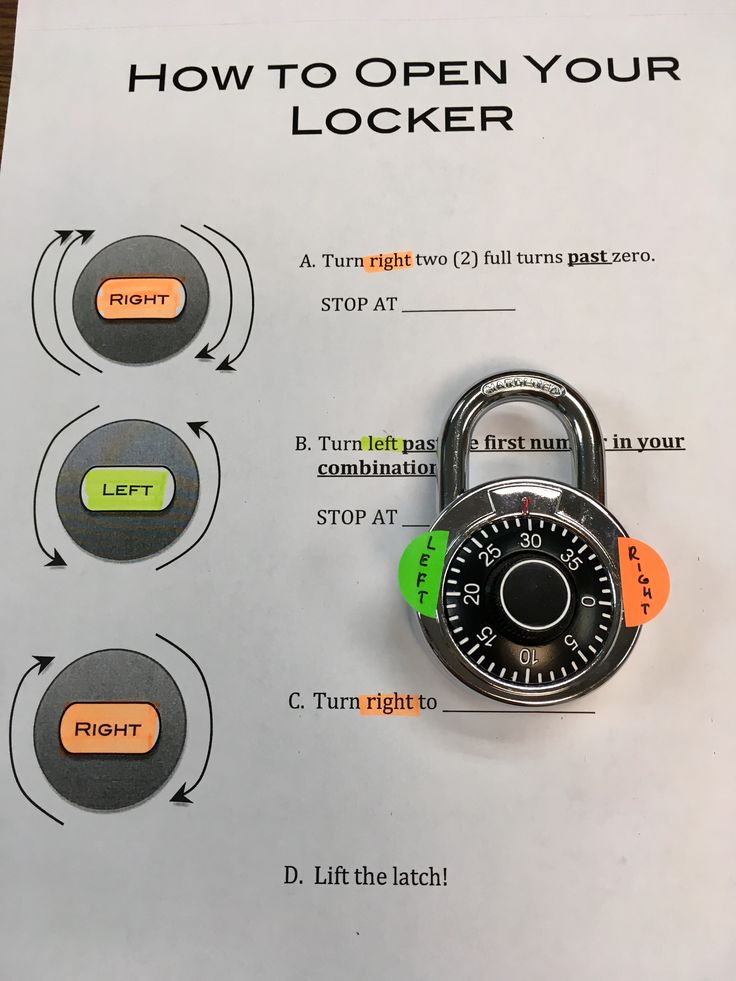
School Locker Lock Instructions: Step-by-Step Guide
Learning how to use a school locker lock correctly can save you time and stress during a busy day. These sturdy metal storage units line the hallways of most...

Find School Locker Locations Brisbane Fast Easy Guide
Finding the perfect school locker location in Brisbane can make a significant difference to your daily school routine. Not only does it help you stay...

High School Basketball Traveling Rules: A Comprehensive Guide
Understanding high school basketball rules on traveling is essential for players, coaches, and fans who want to grasp the fundamentals of the game. These...