Master School Locker Instructions Quick Guide
School lockers are a staple in educational institutions, providing students with a secure space to store their belongings. However, with great lockers comes great responsibility - and a few rules to follow. Here's a comprehensive guide on how to use and maintain your school locker effectively.
Proper use of school lockers not only ensures the safety of your items but also promotes a clean and organized learning environment. Let's dive into the instructions, tips, and best practices for managing your school locker.
Understanding Your School Locker
Before we delve into the dos and don'ts, it's essential to understand the different types of school lockers and their features. Traditional lockers are usually made of metal, come in various sizes, and have a combination or key lock. Some modern lockers may have digital locks or even biometric scanners for enhanced security.

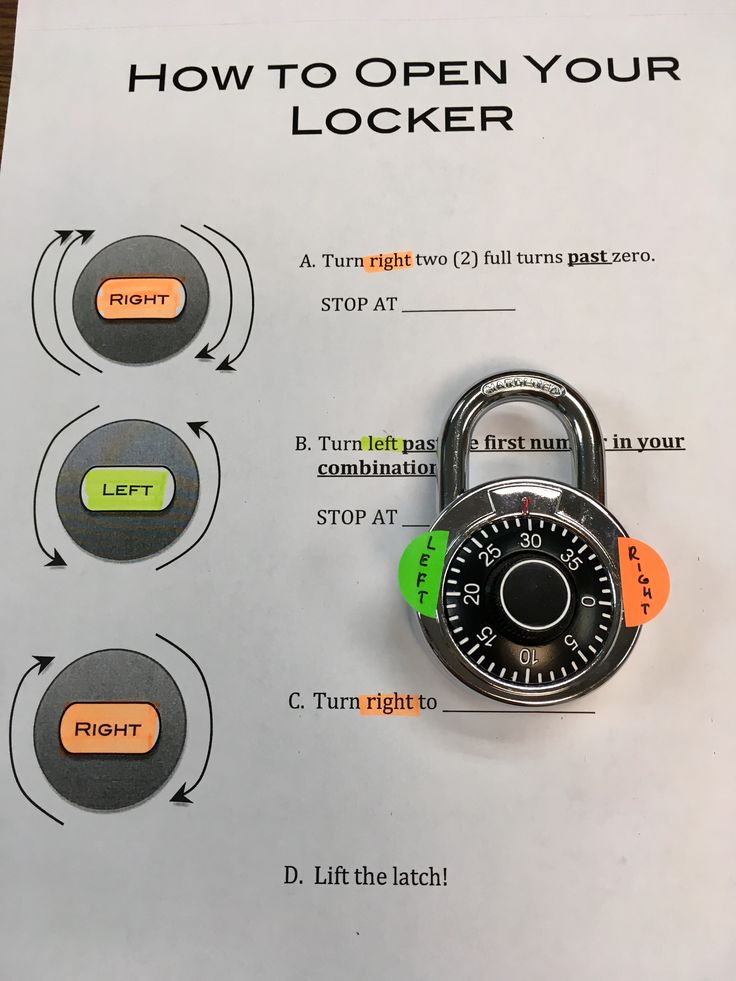

Familiarize yourself with your locker's specific features, such as the lock type, shelf configuration, and any additional compartments. This knowledge will help you make the most of your locker space and keep your belongings organized.
Choosing the Right Locker Combination
If your locker has a combination lock, choose a combination that's easy for you to remember but difficult for others to guess. Avoid using simple sequences like 000, 123, or your birthdate. Instead, opt for a combination that's unique to you, such as your favorite sports team's jersey numbers or a memorable date.


Once you've chosen a combination, practice unlocking and locking your locker a few times to ensure you can do it quickly and efficiently. This will save you time and frustration between classes.
Setting Up Your Locker Interior
To maximize your locker space, consider using shelves, hanging organizers, or even a small lockable safe for valuable items. These accessories can help keep your belongings neat and easily accessible. Just be sure to follow your school's guidelines for locker modifications and avoid using permanent adhesives or damaging the locker interior.
When setting up your locker, place heavier items on the bottom shelves and lighter items on top. This will prevent heavier items from crushing or damaging lighter ones. Additionally, keep frequently used items near the front for easy access.


Locker Etiquette and Best Practices
Proper locker etiquette ensures that everyone can enjoy their locker space safely and respectfully. Here are some best practices to keep in mind:
First and foremost, always lock your locker when you're not using it. This may seem obvious, but it's crucial for keeping your belongings secure. Even if you're just stepping away for a moment, it's better to be safe than sorry.
Keeping Your Locker Organized
An organized locker makes it easier to find what you need and keeps your belongings in good condition. Use clear plastic bags or bins to group similar items together, such as sports equipment or art supplies. Labeling these containers can also help you identify their contents at a glance.


Regularly clean out your locker to remove any trash, old notes, or items you no longer need. A clean locker not only looks better but also helps prevent pests and unpleasant odors. Consider designating a specific day each week or month for locker clean-outs to keep your space tidy year-round.
Respecting Locker Neighbors
If your locker is part of a bank or row, be mindful of your neighbors and their belongings. Avoid overstuffing your locker or allowing items to spill into the adjacent locker space. If you notice that your locker is too small for your needs, consider speaking with your school administrator about switching to a larger locker or finding alternative storage solutions.
Additionally, be respectful of your neighbors' belongings. Never borrow or take items from another student's locker without their explicit permission. If you find an item that doesn't belong to you, return it to the lost and found or the appropriate office.
Troubleshooting Locker Issues
Even with proper care and maintenance, lockers can sometimes malfunction or become damaged. Here are some common locker issues and solutions:
Forgotten Combination: If you've forgotten your locker combination, don't panic. Contact your school administrator or a trusted teacher for assistance. They may be able to help you reset your combination or unlock your locker using a master key.
Stuck Lock
A stuck lock can be frustrating, but there are a few ways to try and fix the issue before resorting to a locksmith. First, try lubricating the lock with a small amount of graphite or WD-40. If that doesn't work, gently tap the lock with a hammer to help dislodge any stuck mechanisms. If the lock remains stuck, it may be time to seek professional help.
Damaged Locker: If your locker has been damaged, such as a broken shelf or dented door, report the issue to your school administrator. They can arrange for repairs or provide you with a temporary locker while the repairs are being made.
In conclusion, mastering the art of locker management is an essential skill for students. By understanding your locker's features, practicing good locker etiquette, and troubleshooting any issues that arise, you can ensure that your school locker remains a secure and organized space for your belongings throughout the academic year. Happy locking!
Related Articles
School Locker Lock Instructions: Step-by-Step Guide
Learning how to use a school locker lock correctly can save you time and stress during a busy day. These sturdy metal storage units line the hallways of most...

Master How To Fold Roll Towels Like A Pro Quick Guide
Mastering the art of how to fold roll towels transforms a simple bathroom essential into a space saving and hygienic habit. The rolled towel design stands...

Find School Locker Locations Brisbane Fast Easy Guide
Finding the perfect school locker location in Brisbane can make a significant difference to your daily school routine. Not only does it help you stay...

Maximize Space: The Ultimate High School Locker Storage Guide
High school locker storage is often the unsung hero of the daily school routine, quietly managing the chaos of textbooks, coats, and personal items for...

Standard School Locker Size in Inches: The Complete Guide
Determining the standard school locker size in inches is essential for planning efficient storage solutions in educational environments. These compartments are...
School Locker Sizes: A Comprehensive Guide
Choosing the right school locker sizes is one of the most practical decisions parents and students face at the start of the academic year. These storage spaces...