Stunning Science Fair Design Ideas For Winning Projects
Choosing science fair design ideas is often the very first spark that turns a simple question into a memorable hands-on investigation. A well planned display board, interactive model, or clear experiment setup can immediately communicate the curiosity and method behind the project. Whether you are a student, teacher, or parent helping with homework, the right visual and structural approach makes complex ideas feel approachable. This guide explores practical, research backed strategies for shaping projects that stand out while staying true to scientific principles.
Beyond aesthetics, thoughtful science fair design ideas help judges, classmates, and visitors quickly grasp the core problem, procedure, and findings. A clean layout with logical sections reduces cognitive load, allowing people to focus on the hypothesis, data, and implications rather than decoding confusing graphics. Strong design also encourages the presenter to think like a storyteller, guiding the audience through a beginning, middle, and end. By treating the project as both an experiment and a communication challenge, you create a richer experience for everyone involved.
Planning Your Visual Narrative
Before cutting cardboard or coding a digital display, sketch a narrative flow that answers key questions in plain language. Start with the problem or question, then show how your approach tests it, what evidence you gathered, and what it means in the real world. This narrative backbone keeps design decisions focused and prevents the board or model from becoming a cluttered collection of facts. Consistent colors, clear fonts, and balanced white space support this story without overpowering the science itself.


Consider your audience when defining visual hierarchy, because a seventh grade class may need different detail than a community science night. Large, readable headings, numbered steps, and concise bullet points help viewers navigate the project in under a minute. Photographs of the experiment in action, simple diagrams, and labeled data charts turn abstract methods into concrete actions. The goal is to make the path from question to conclusion obvious, engaging, and memorable.
Layout And Flow
Arrange major sections in a logical order, such as problem, hypothesis, materials, procedure, results, and conclusion, using columns or distinct zones. Keep the most important findings near the center or top, because eyes naturally gravitate toward those areas. Use consistent margins and spacing so the design feels balanced, and avoid cramming too much text into a single panel. Strategic use of borders, color blocks, or subtle patterns can separate sections without creating visual noise.


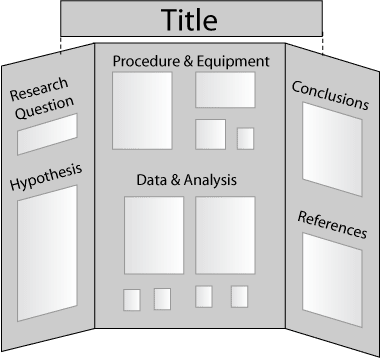
Test the layout by standing a few steps away from the board, noting where the eye lands first and whether the sequence feels natural. If viewers consistently miss a key section, increase its size, improve contrast, or move it to a stronger position. A well choreographed flow turns a dense topic into a journey, inviting people to follow the story you built through careful science fair design ideas.
Color Coding And Readability
Choose a limited palette that aligns with the theme of the experiment, such as cool tones for chemistry or bright accents for robotics. Use high contrast between text and background to ensure readability from a distance, and reserve decorative elements for reinforcing concepts rather than distracting from them. Icons, arrows, and simple symbols can replace long phrases, making the board faster to scan. Remember that color should clarify, not decorate, so each hue has a purpose in guiding attention.
Check that color choices remain effective under different lighting conditions in the fair venue, and test printed samples against digital mockups. If your project involves safety information, use standard cues like red for hazards or green for safe practices so viewers instantly recognize the meaning. Thoughtful use of typography, including one or two clear fonts, supports readability while still letting your personality shine through the design.


Building Tangible Models
Physical models bring science fair design ideas to life, especially for abstract concepts like electricity, planetary motion, or cellular processes. A three dimensional representation allows judges and visitors to walk around, zoom in, and ask questions about specific parts. Keep the model sturdy, lightweight, and modular, so you can easily adjust sections during setup or demonstration. Simple materials such as cardboard, foam board, plastic bottles, and craft sticks can convey sophisticated ideas when combined with clever engineering.
Interactive elements, such as movable levers, buttons that trigger lights or sounds, or touchable textures, deepen engagement and make the scientific method feel hands on. When designing these features, anticipate how people will use the model, what might break, and how you can guide them through key interactions. Clear instructions or prompts near the model help users focus on the underlying principles instead of guessing how it works. This balance of fun interaction and scientific rigor is at the heart of strong science fair design ideas.
Prototyping And Testing
Build quick, low cost prototypes to test mechanics, scale, and user experience before committing to final materials. Use scrap wood, clay, or paper models to refine moving joints, gear ratios, or circuit connections, and document each iteration with photos or notes. Observe how friends or family members interact with the prototype, noting where they struggle or ask for clarification. These insights help you simplify complex mechanisms and ensure that the science remains clear rather than buried in engineering details.


Safety and durability should guide material choices, especially if the model will be handled by many visitors over several hours. Cover sharp edges, secure loose parts, and consider using transparent protective shields for delicate components. Label key components like sensors, motors, or batteries so that troubleshooting during the fair is straightforward. By treating the model as a working system rather than a static display, you create a resilient centerpiece that supports your experimental results.
Integrating Data Displays
Combine your physical model with charts, graphs, or digital readouts that translate raw data into understandable patterns. For example, a wind turbine model might show real time voltage changes on a small screen alongside bar graphs of blade angle versus output. Use clear axis labels, consistent scaling, and captions that explain what each visualization reveals about your hypothesis. When model and data work together, the project demonstrates both engineering skill and analytical thinking.
Consider using color coordinated elements, such as matching line colors on the graph to the parts of the model they describe, to reinforce connections. Keep text concise and avoid overloading the display with numbers; instead highlight key trends, outliers, and comparisons that support your conclusion. Thoughtful integration of model and data turns your setup into a cohesive science fair design that guides viewers from observation to insight.
Digital And Interactive Approaches
Many modern science fair design ideas blend physical experiments with digital tools, such as sensors, microcontrollers, or data visualization software. A simple circuit connected to a laptop can stream live measurements, while an interactive touchscreen or augmented reality app lets users manipulate variables and see outcomes instantly. These technologies can make abstract ideas concrete, but they should serve the science rather than overshadow it. Start with a clear research question, then choose tools that best illustrate the core concept without adding unnecessary complexity.
When planning a digital component, account for setup time, reliability, and ease of use in a busy fair environment. Prepare backup options like printed screenshots or a simplified demo mode in case of connectivity issues or software crashes. Ensure that any coding, wiring, or app design follows safety guidelines and leaves room for spontaneous questions. The most impressive projects balance innovation with practicality, showing that thoughtful design can enhance scientific understanding.
Coding And Data Visualization
Writing clean, well commented code helps judges and mentors follow your logic, especially if they have programming experience. Use descriptive variable names, modular functions, and error handling to make the software robust enough for repeated demonstrations. Visualizations like live updating graphs, heat maps, or simple animations can translate complex datasets into intuitive patterns. When the code and graphics are transparent and organized, your science fair design ideas showcase both technical skill and scientific clarity.
Document your programming process, including challenges and iterations, as this provides compelling talking points and demonstrates problem solving. Consider adding brief explanations of key algorithms or libraries, but keep the focus on how they support your experiment rather than on technical jargon. Pairing readable code with polished visuals turns your booth into an engaging learning space where visitors can see the journey from raw data to insight.
User Experience And Accessibility
Design interactions that accommodate different ages, abilities, and backgrounds, such as large buttons, clear audio cues, or tactile elements for visitors who are blind or have low vision. Test your setup with diverse users if possible, and simplify steps that feel confusing or frustrating. Provide optional deeper layers of information for those who want more detail, while keeping the primary experience intuitive. Thoughtful user centered design ensures that your project communicates effectively to the widest possible audience.
Consider language, cultural references, and examples that resonate with your community, and avoid assumptions about prior knowledge. A welcoming, accessible science fair design invites questions, encourages participation, and reflects the values of inclusive science communication. By combining engaging technology with empathy and clarity, you create an experience that feels both modern and genuinely educational.
As you refine your ideas, remember that science fair design is a blend of creativity, storytelling, and rigorous experimentation that evolves with each project. The strongest setups balance clear visuals, thoughtful interaction, and solid methodology so that the science remains the star. Every choice you make in layout, model building, or digital integration can deepen understanding and inspire curiosity in others. Keep iterating, learning from feedback, and using each fair as a step toward more powerful ways of sharing your investigative journey.
Related Articles

100+ Catchy Science Fair Theme Ideas for Winning Projects
Choosing a science fair theme is often the very first spark that determines whether a project will feel like a chore or a thrilling adventure, and getting this...

Diorama Science Fair: Winning Projects and Display Tips
Exploring science through a diorama at the science fair turns abstract concepts into a tangible, walkable landscape that sparks curiosity in every visitor...

Interactive Hospital Model Ideas for School Projects Science Fair Blueprint
Transforming the traditional classroom into a dynamic learning environment is an exciting challenge for any school project. One innovative approach gaining...

25 Winning Science Fair Model Ideas for Curious Minds
Choosing science fair model ideas can feel overwhelming, but the right project turns curiosity into a hands-on adventure. A strong model helps students...

Stunning Bedroom Tiles Color Ideas Design Trends 2024
Transforming your bedroom into a sanctuary of relaxation and comfort often starts with the right color palette. Bedroom tiles, a crucial design element, can...

Stunning Square Flower Bed Ideas For Front Of House Design
Choosing a square flower bed in front of house ideas is an excellent way to add instant structure and curb appeal to your entryway. This geometric shape acts...