Impressive Science Fair Project Display Board Examples A+ Ideas
Creating an eye catching science fair project display board is often the decisive factor that turns a good experiment into a winning presentation. Judges and visitors rely on visual storytelling to quickly grasp complex ideas, so the layout must guide the eye logically from the problem to the solution. A well designed board transforms dense data into an engaging narrative that invites questions and rewards closer inspection. This guide explores concrete science fair project display board examples to help you structure your information for maximum clarity and impact.
Beyond aesthetics, the display board serves as a permanent record of your scientific journey, showcasing your methodology, critical thinking, and communication skills. Schools, fairs, and online platforms often have specific size and content rules, so planning early ensures your project meets every requirement. By studying real science fair project display board examples, you can identify trends in clear graphs, effective labeling, and compelling visual hierarchy. The goal is to make your work accessible to a diverse audience, from fellow students to experienced researchers.
First Main Topic
The layout of your board should follow a logical flow that mirrors the scientific method, ensuring viewers can follow your reasoning without confusion. Typically, this involves a prominent title section, a clear hypothesis, detailed procedures, organized data, and a thoughtful conclusion. Examining science fair project display board examples reveals that strong projects use consistent fonts, color coding, and spacing to separate each stage visually. This structure not only aids judges during timed reviews but also helps you stay organized as you build your project.


Effective boards balance text, images, and data visuals so that no single element overwhelms the viewer. Charts, diagrams, and high quality photographs should support your written explanation rather than replace it. Looking at top science fair project display board examples, you will notice that successful presentations use captions to explain each image and highlight key measurements. This dual approach of visual and textual evidence reinforces your findings and makes your results more memorable.
Sub-topic A
One common layout strategy is the classic three panel board, where the central section features the main title and abstract, flanked by detailed methodology and results. In many science fair project display board examples, this format creates a natural Z shaped reading pattern that aligns with how people scan information. You can enhance this by using a larger font for the title, concise bullet points for the problem and conclusion, and dedicated spaces for graphs and tables. The symmetry of this design makes it easy to compare variables side by side, such as control versus experimental conditions.
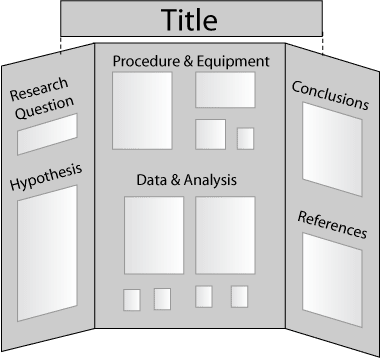


When arranging your panels, prioritize readability by maintaining ample white space and grouping related information together. For instance, place your hypothesis directly below the title and your step by step procedure in a vertical flow beneath clear headings. Reviewing science fair project display board examples from previous winners shows that a clean grid system reduces visual clutter and helps judges locate key details quickly. This organized approach also makes last minute adjustments much easier.
Sub-topic B
Data visualization is another critical component, and studying science fair project display board examples highlights the importance of choosing the right graph for your experiment. Bar graphs work well for comparing categories, line graphs are ideal for tracking changes over time, and pie charts are useful for showing proportions. Each graph should have labeled axes, a clear title, and a legend that matches the colors used in the display. By mirroring these techniques in your own board, you turn raw numbers into compelling evidence.
Beyond graphs, photographs and digital images can bring your experiment to life, especially for projects involving physical models, plants, or chemical reactions. In many top science fair project display board examples, close up photos are paired with brief captions that point out specific features or changes. Ensure that your images are high resolution and properly aligned on the board, avoiding blurry prints or distracting backgrounds. This visual polish signals professionalism and attention to detail, encouraging viewers to engage more deeply with your research.


Second Main Topic
The content of your board must clearly communicate the scientific principles behind your experiment, linking your hypothesis to your results with logical reasoning. A strong abstract summarizes the entire project in a few sentences, while the conclusion section interprets what the data means in the context of your original question. By reviewing science fair project display board examples, you can see how leading students connect their findings to broader concepts in physics, chemistry, biology, or environmental science. This big picture perspective demonstrates that your project is not just a single experiment but part of a larger scientific conversation.
Another important element is the inclusion of a bibliography or references section, which shows that you have built your project on credible sources. Many science fair project display board examples feature neatly formatted citations, giving credit to textbooks, online articles, and expert interviews. This not only avoids plagiarism but also reassures judges that your methodology is grounded in established knowledge. Proper citations can strengthen your argument and suggest further reading for anyone interested in the topic.
Sub-topic C
Creative design choices can elevate your board while still adhering to scientific rigor, and many award winning science fair project display board examples use subtle borders, accent colors, and thematic imagery. For instance, a project on plant growth might feature botanical illustrations, while a physics experiment could use geometric patterns to frame data sections. The key is to enhance readability rather than distract from it, ensuring that text remains sharp and high contrast against background elements. Thoughtful design shows that you care about both science and communication.


Interactive features, such as QR codes linking to video explanations or digital charts, appear increasingly in modern science fair project display board examples. These additions allow viewers to access deeper layers of information without cluttering the physical board. When planning your layout, consider how judges and visitors will move around the display and what questions they might ask. Anticipating these moments lets you highlight key results and prepare clear talking points that reinforce what they see on the board.
Sub-topic D
Planning and time management play a crucial role in producing a polished board, and early preparation reduces stress as the fair deadline approaches. Start by sketching a rough layout based on science fair project display board examples that inspire you, noting where photos, graphs, and text blocks will go. Print or draw your visuals in high quality, and assemble the board in stages so you can revise content without wasting materials. A well paced workflow, from research to final assembly, ensures that every section reflects your best work.
Finally, seek feedback from teachers, mentors, or peers before you finalize the display, as fresh eyes can spot unclear sections or design issues. Use their suggestions to refine your labels, adjust graph scales, or improve the flow between sections. Observing these iterative improvements in action, even through simple science fair project display board examples, highlights how professional presentations evolve through careful revision. Treat the board as a dynamic tool for dialogue rather than a static poster, and your project will leave a lasting impression.
As you refine your own display, remember that every project is an opportunity to practice scientific communication and creative problem solving. The skills you develop in organizing information, designing visuals, and explaining your work will serve you far beyond the fairgrounds. Keep experimenting with layout ideas, studying successful examples, and adapting them to your unique research questions. Your board is a reflection of your curiosity and dedication, inviting others to share in the excitement of discovery and to explore the next question you are eager to tackle.
Related Articles
25+ Display Board Examples for Science Projects That Wow Judges
Choosing the right display board examples for science projects can feel overwhelming, but visual planning is the first step toward a winning presentation. A...

Interactive Hospital Model Ideas for School Projects Science Fair Blueprint
Transforming the traditional classroom into a dynamic learning environment is an exciting challenge for any school project. One innovative approach gaining...

25+ Magnet Project Ideas for Science Fair and Creative Learning
Exploring magnet project ideas can transform the way you interact with everyday objects, turning ordinary spaces into organized and inspiring environments...

Shark Diorama School Project Ideas Easy And Impressive Display
Immerse your students in the thrilling world of marine biology with an engaging and educational shark diorama school project. This hands-on activity not only...

Eye-Catching Craft Fair Table Display Stand Ideas for Maximum Sales
Every successful craft fair table display stand turns a simple table into a powerful storytelling tool that invites curious hands and eyes. When vendors pay...

Simple Innovative Science Project Ideas For School Students Easy Experiments
Unleashing creativity and curiosity, science projects offer students an engaging way to explore the world around them. For young innovators seeking simple yet...