Warm White Light Bulbs: Cozy & Energy-Efficient
Warm white light bulbs have become a popular choice for homeowners and businesses alike, thanks to their inviting, cozy glow that mimics the warm, natural light of the sun. But what exactly are warm white light bulbs, and how do they differ from other types of lighting? Let's delve into the world of warm white lighting and explore its benefits, types, and applications.
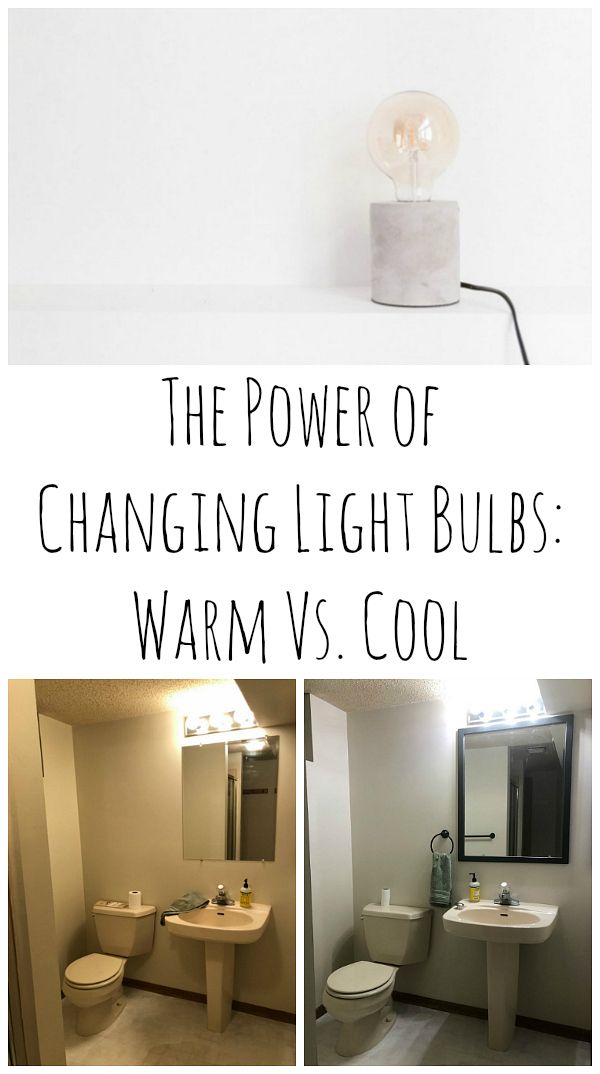
Warm white light bulbs are designed to emit a soft, yellowish-white light that falls within the color temperature range of 2700K to 3300K on the Kelvin scale. This range is considered 'warm' because it mimics the color of incandescent bulbs, which were the standard for home lighting for over a century. In contrast, cool white bulbs emit a brighter, bluer light with a color temperature of 4000K to 6500K.
Understanding Color Temperature
Color temperature is a crucial concept in understanding warm white light bulbs. Measured in Kelvin (K), it describes the color appearance of light, with lower Kelvin values indicating warmer colors and higher values indicating cooler colors. The human eye perceives light as warm or cool based on its color temperature, which is why warm white bulbs create a cozy, inviting atmosphere.


To put color temperature into perspective, consider the following examples: a typical candle flame has a color temperature of around 1800K, while a traditional incandescent light bulb emits light at approximately 2700K. In comparison, a clear blue sky has a color temperature of about 10,000K, and a cloudy sky around 6500K.
Correlated Color Temperature (CCT)
While color temperature is a well-established concept in physics, it doesn't always accurately represent how we perceive color in lighting applications. This is where Correlated Color Temperature (CCT) comes in. CCT is a more practical measure of color temperature for lighting, as it takes into account the spectral distribution of light sources and how they are perceived by the human eye.


CCT is typically expressed in Kelvin, just like color temperature, but it provides a more accurate representation of how a light source will appear to the human eye. For warm white light bulbs, CCT is usually within the range of 2700K to 3300K, with some variations depending on the specific bulb and manufacturer.
Lighting Applications and Effects
Warm white light bulbs are commonly used in residential and commercial settings to create a welcoming, comfortable atmosphere. Their soft, inviting glow is particularly well-suited for living spaces, dining areas, and hospitality venues, such as hotels, restaurants, and bars.
In addition to their aesthetic appeal, warm white light bulbs can also have a positive impact on mood and well-being. Studies have shown that exposure to warm, natural light can help regulate circadian rhythms, improve sleep quality, and enhance overall mental health. Furthermore, warm white lighting can make spaces feel more intimate and cozy, encouraging social interaction and relaxation.


Types of Warm White Light Bulbs
Warm white light bulbs are available in various types and technologies, each with its own advantages and disadvantages. Understanding the different types of warm white bulbs can help you choose the best option for your specific needs.
1. Incandescent bulbs: Traditional incandescent bulbs are the original warm white light source, but they are becoming less common due to their low energy efficiency. Incandescent bulbs have a short lifespan and consume a significant amount of energy compared to other lighting options.
Halogen bulbs
Halogen bulbs are an improved version of incandescent bulbs, offering better energy efficiency and a longer lifespan. They use a halogen gas to prolong the life of the filament, allowing them to last up to three times longer than traditional incandescent bulbs. Halogen bulbs are available in warm white color temperatures and are a popular choice for general lighting applications.




However, halogen bulbs are still less energy-efficient than other lighting technologies, such as LEDs. They also generate more heat than other bulb types, which can make them less suitable for use in enclosed fixtures or in hot climates.
LED bulbs
LED (Light Emitting Diode) bulbs are the most energy-efficient and long-lasting option for warm white lighting. They convert electricity into light using semiconductor compounds, which allows them to emit light with minimal heat generation. LED bulbs are available in a wide range of color temperatures, including warm white, and can last up to 25 times longer than incandescent bulbs.
LED bulbs are also highly versatile, with options ranging from traditional A-shaped bulbs to compact, dimmable, and smart-enabled models. Their energy efficiency and long lifespan make them an excellent choice for both residential and commercial applications, with potential savings on energy costs and reduced maintenance requirements.
CFL (Compact Fluorescent Light) bulbs
CFL bulbs are another energy-efficient option for warm white lighting, offering similar energy savings to LED bulbs. They use a gas-filled tube to emit light, with a spiral or curved design that allows them to fit into standard light fixtures. CFL bulbs are available in warm white color temperatures and can last up to 10 times longer than incandescent bulbs.
However, CFL bulbs contain a small amount of mercury, which makes them less environmentally friendly than LED bulbs. They also take a few seconds to reach full brightness and may not be suitable for use in dimmable fixtures without additional components. Additionally, CFL bulbs are more sensitive to cold temperatures, which can affect their performance and lifespan in outdoor or unheated spaces.
In conclusion, warm white light bulbs offer a cozy, inviting atmosphere that can enhance both residential and commercial spaces. By understanding the different types of warm white bulbs and their applications, you can make an informed decision when choosing the best lighting option for your needs. Whether you prefer the classic glow of incandescent or halogen bulbs, the energy efficiency of LED or CFL bulbs, or the versatility of smart-enabled lighting, there is a warm white bulb solution to suit every preference and budget. So go ahead, create the perfect ambiance, and enjoy the warmth and comfort that only warm white lighting can provide.
Related Articles
What Temperature Is Warm White LED Light Bulbs Explained
When it comes to LED lighting, the term "warm white" often leaves people wondering: what exactly does that mean in terms of temperature? In the world of...
What Is Warm White in Light Bulbs: The Ultimate Guide
When you walk into a lighting store or browse online for a new bulb, the phrase warm white often appears on the packaging to describe a specific shade of...
What Temperature is Warm White Light Bulbs Brightness Guide
When discussing lighting, the term "warm white" often comes up, but what exactly does it mean? In the world of lighting, color temperature is measured in...
What Are Warm Light Bulbs: The Ultimate Guide to Cozy Lighting
Imagine you're relaxing in your living room, the sun has set, and you're enjoying the soft, warm glow of your light bulbs. These aren't just any light bulbs...
What Temp is Warm White Light Bulbs LED Temperature Chart
Ever wondered what "warm white" means in terms of temperature? You're not alone. In the world of lighting, understanding the temperature scale, measured in...
What Are Warm Light Bulbs Called: The Ultimate Guide To Cozy Lighting
When it comes to lighting up your home or workspace, the type of light bulb you choose can significantly impact the ambiance and atmosphere. One popular choice...