What is the Difference Between Warm Light and Cool Light Bulbs Explained
Ever found yourself puzzling over the difference between warm and cool light bulbs while shopping for home lighting? You're not alone. The terminology can be confusing, but understanding the distinction can significantly impact the ambiance and functionality of your space. Let's delve into the world of warm and cool light bulbs, exploring their unique characteristics and uses.
Light bulbs are categorized based on their color temperature, measured in Kelvin (K). This scale represents the color of light emitted by a black body when heated to a particular temperature. In simple terms, warm light bulbs emit a yellowish-white light, while cool light bulbs produce a bluer, whiter light. Let's break down these categories further.
Warm Light Bulbs
Warm light bulbs are often associated with a cozy, inviting atmosphere. They emit a soft, yellowish-white light, typically ranging from 2700K to 3500K on the Kelvin scale. This warm glow is reminiscent of traditional incandescent bulbs and is ideal for spaces where you want to create a relaxing, comfortable environment.


Warm light bulbs are perfect for living rooms, bedrooms, and dining areas. They can also enhance the appearance of warm-toned decor, such as wood furniture and earthy color schemes. However, they may not be the best choice for task lighting, as the lower color temperature can make it harder to focus on detailed tasks.
Incandescent and Halogen Bulbs
Incandescent and halogen bulbs are examples of warm light bulbs. Incandescent bulbs are traditional, inefficient light sources that produce a warm, inviting glow. Halogen bulbs, on the other hand, are a type of incandescent bulb that uses halogen gas to improve energy efficiency and increase bulb life. Both types emit light in the warm color temperature range, typically around 2700K to 3000K.
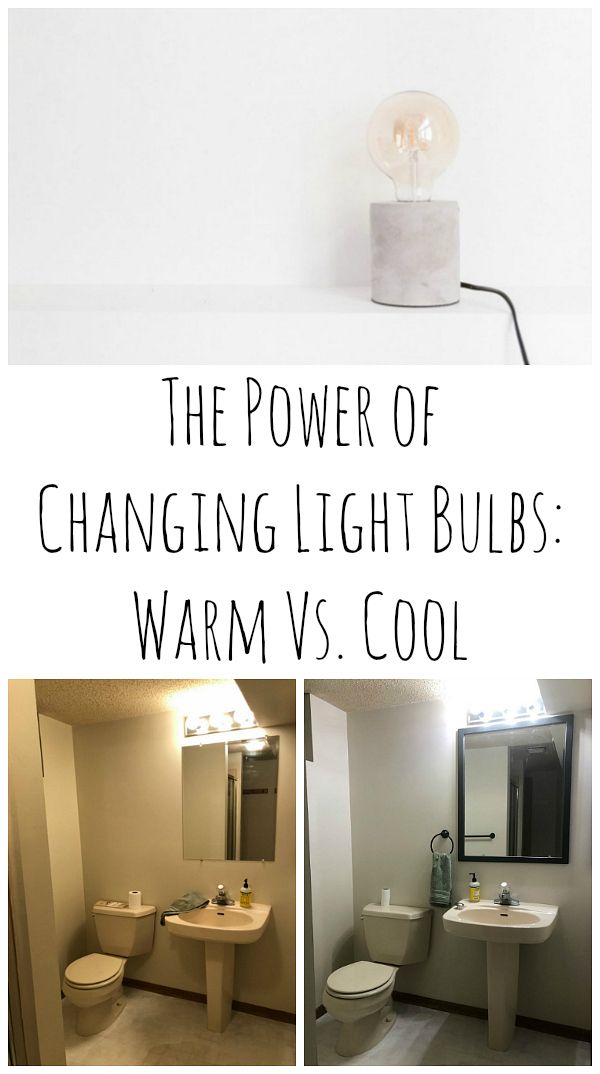


While incandescent and halogen bulbs offer a warm, inviting light, they are less energy-efficient than other bulb types, such as LEDs. As a result, many countries have phased out or restricted the sale of these bulbs in favor of more energy-efficient alternatives.
LED Bulbs with Warm White Light
LED bulbs have become increasingly popular due to their energy efficiency and long lifespan. Many LED bulbs are available in warm white light, mimicking the warm glow of traditional incandescent and halogen bulbs. LED warm white bulbs typically emit light in the 2700K to 3500K range, providing a cozy atmosphere while consuming less energy than their incandescent counterparts.
LED warm white bulbs are an excellent choice for homeowners looking to upgrade to energy-efficient lighting without sacrificing the warm, inviting ambiance of traditional bulbs. They are available in various shapes and sizes, making them suitable for a wide range of lighting fixtures.


Cool Light Bulbs
Cool light bulbs emit a bluer, whiter light, typically ranging from 3500K to 6500K on the Kelvin scale. This bright, crisp light is ideal for spaces where you need to focus on tasks, such as kitchens, bathrooms, and offices. Cool light bulbs can also enhance the appearance of cool-toned decor, such as blue and gray color schemes.
While cool light bulbs may not create the same cozy atmosphere as warm light bulbs, they can provide a refreshing, energizing environment. They are particularly useful in spaces where you need to see clearly, such as workspaces and task lighting areas.
Daylight Bulbs
Daylight bulbs are a type of cool light bulb that emits a bright, white light similar to natural daylight. These bulbs typically have a color temperature of 5000K to 6500K, providing a clear, crisp light that can help you focus on tasks and reduce eye strain. Daylight bulbs are an excellent choice for task lighting, such as desk lamps and under-cabinet lighting.


Daylight bulbs can also be used to create a bright, airy atmosphere in living spaces. However, they may not be the best choice for bedrooms or other spaces where you want to create a relaxing, intimate environment.
LED Bulbs with Cool White Light
LED bulbs are also available in cool white light, providing the energy efficiency and long lifespan of LED technology with the bright, crisp light of cool light bulbs. LED cool white bulbs typically emit light in the 3500K to 5000K range, making them suitable for a wide range of applications.
LED cool white bulbs are an excellent choice for homeowners looking to upgrade to energy-efficient lighting while maintaining the bright, clear light of traditional cool light bulbs. They are available in various shapes and sizes, making them suitable for a wide range of lighting fixtures.
When choosing light bulbs for your home, consider the color temperature and the desired atmosphere for each space. Warm light bulbs can create a cozy, inviting environment, while cool light bulbs can provide a refreshing, energizing atmosphere. By selecting the right bulbs for each room, you can create a cohesive, comfortable lighting scheme that enhances the functionality and appearance of your space.
Related Articles
Warm vs Cool Light Bulbs: What’s the Difference?
Ever wondered why some rooms feel cozy and inviting, while others seem cold and uninviting? The answer often lies in the type of lighting used. Light bulbs can...

What Is The Difference Between Warm White And Cool White LED Lights Explained
When it comes to LED lights, the terms "warm white" and "cool white" often pop up, leaving many wondering about the difference between the two. Both are types...
Warm Light vs Cool Light: See the Key Differences Side by Side
Imagine you're in a room, one with a warm, inviting glow, and another with a crisp, refreshing light. These aren't just two different rooms; they're two...

What Is The Difference Between Warm And Cool Lighting Explained SEO
Lighting shapes the way we experience a space, influencing mood, focus, and even how comfortable a room feels. When people talk about what is the difference...

Difference Between Cool White and Warm White LED Christmas Lights Explained
When it comes to choosing the perfect LED Christmas lights, the color temperature, measured in Kelvin (K), is a crucial factor to consider. Two popular choices...

What Is the Difference Between Cool White and Warm White Christmas Lights? A Complete Guide
When it comes to choosing the perfect Christmas lights, the decision often boils down to two popular options: cool white and warm white. Both offer a festive...