What Size Are Pergola Beams Ultimate Guide To Pergola Beam Dimensions
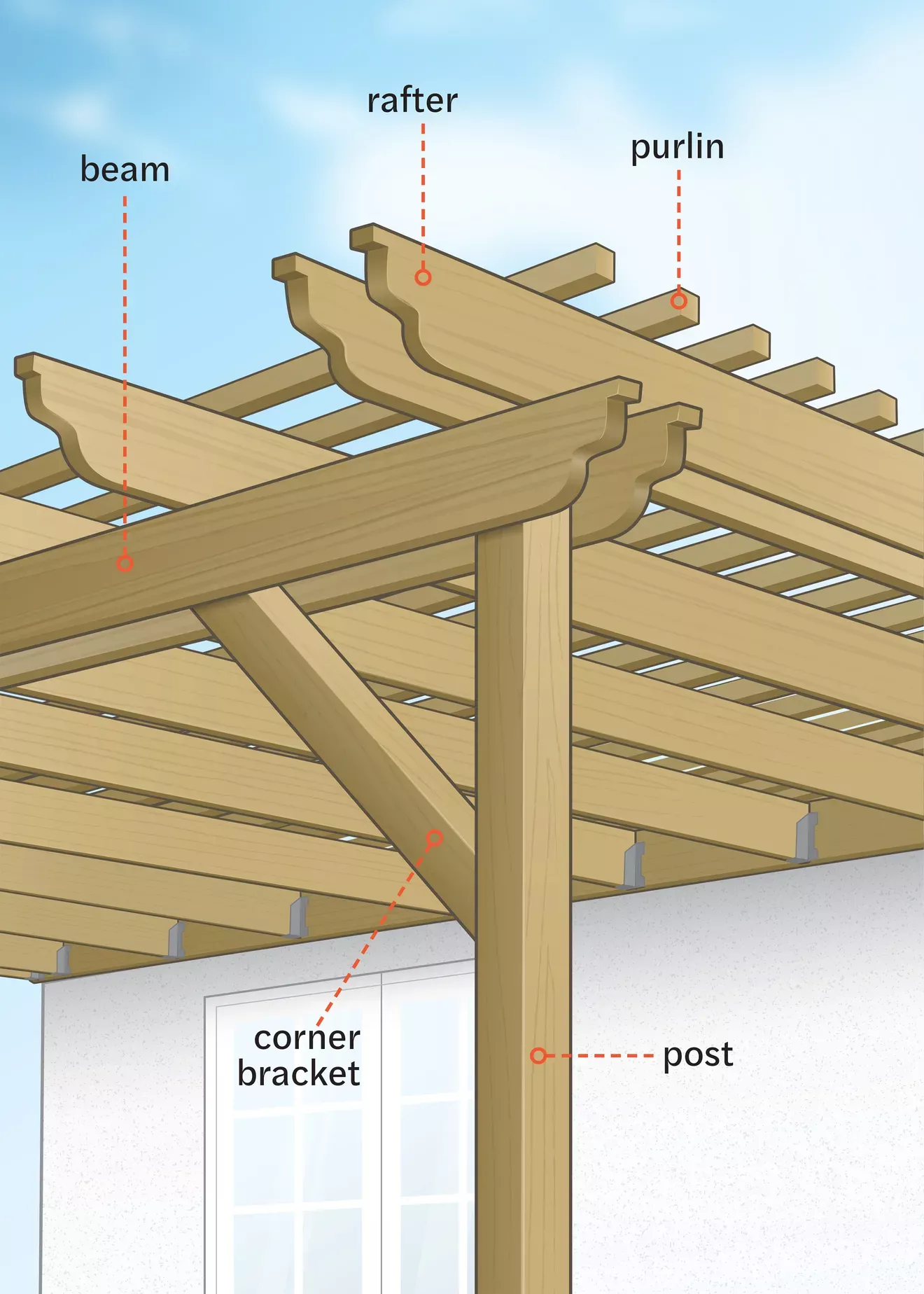
Choosing the right size for pergola beams is one of the most critical decisions you will make during your outdoor construction project, as these horizontal supports define the entire structure's strength, appearance, and scale. Many homeowners new to building pergolas underestimate how significantly beam dimensions affect the overall stability and long-term performance of the installation. This guide will walk you through the standard dimensions, material considerations, and load-bearing requirements to ensure your pergola stands beautifully for years.
When planning your structure, understanding the relationship between beam size, span length, and spacing is essential to avoid sagging or structural failure over time. The goal is to balance aesthetics with engineering principles, ensuring the framework feels robust without appearing overly bulky in your landscape. Below, we break down the common sizes for different materials and explain how to determine the best option for your specific setup.
Understanding Standard Timber Beam Sizing
Timber is a popular choice for pergola beams due to its warmth, natural beauty, and ease of installation, but selecting the correct size requires careful attention to span and spacing. For most residential applications, common dimensional sizes like 4x6, 4x8, and 6x6 inches are frequently used, depending on the distance the beam needs to cover. Builders typically recommend specific sizes based on the spacing between posts and the expected load from rain, snow, or hanging plants.


Before finalizing your purchase, you must verify local building codes, which often dictate minimum sizes for pergola beams based on wind and weight calculations. A professional contractor or architect can help you interpret these requirements to ensure compliance and safety. Using undersized timber might save money initially but can lead to costly repairs or replacements if the structure sags or becomes unsafe.
Common Wood Sizes and Applications
For a typical backyard pergola with a moderate span of up to 8 feet between posts, a 4x6 beam is often sufficient, especially when the beams are spaced no more than 16 inches on center. This size provides a good balance between strength and visual appeal, offering a sturdy platform for climbing vines without overwhelming the design. If you plan a longer span or want a more substantial look, stepping up to a 6x6 beam is a wise choice, particularly if you intend to support heavy accessories like outdoor lighting or fans.


When working with wood, remember that natural variations in grain and moisture content can affect performance, so choosing a high-quality, pressure-treated species like cedar or redwood can improve durability. These woods resist rot and insect damage, which is crucial for beams that are exposed to the elements. Proper sealing and regular maintenance will further extend the life of your timber pergola beams.
Spacing and Load Considerations
The spacing between beams plays a significant role in how well the structure distributes weight across the frame. Closer spacing, such as 12 inches on center, allows for a heavier load and reduces deflection, making it ideal for decks or areas with frequent use. Conversely, wider spacing might give a more open, airy feel but requires thicker beams or additional support to maintain rigidity.
You should also account for the weight of any additional features you might add, such as a retractable cover, ambient lighting, or dense foliage. Consulting with a structural engineer or using online span calculators can help you determine the optimal beam depth and spacing combination for your specific pergola layout.




Exploring Metal and Composite Options
If you are considering a more modern or industrial look, metal pergola beams made from aluminum or steel offer exceptional strength and minimal maintenance compared to wood. These materials are particularly advantageous in areas with high humidity or termite activity, as they do not rot or suffer from insect damage. Standard metal beams often come in specific dimensions, and you can select sizes based on the desired span and the weight of any overhead features.
Composite materials, which blend wood fibers with plastic, are another excellent alternative that resists weathering and fading. They provide the visual appeal of timber with enhanced durability, and they typically maintain their shape better under varying weather conditions. Choosing the right size for these beams follows similar principles as wood, focusing on span, spacing, and load requirements.
Metal Beam Sizing and Installation
For steel pergola beams, common sizes might range from 2x2 inches for lighter residential structures to larger 4x4 or 6x6 profiles for commercial-grade installations that demand extreme strength. Aluminum beams are generally larger in size for equivalent strength because the material is lighter, but they offer excellent corrosion resistance and are easier to assemble. When installing metal beams, using appropriate anchors and fasteners is vital to prevent movement and ensure long-term stability.


It is also important to consider thermal expansion in metal structures; choosing the correct fasteners and allowing for slight movement can prevent warping or loosening over time. Many homeowners appreciate the sleek, clean lines of metal beams, which can be powder-coated in various colors to match outdoor furniture or architectural accents.
Composite and Engineered Wood Benefits
Composite pergola beams are designed to mimic the appearance of real wood while eliminating many of the maintenance challenges associated with timber. These beams are strong, dimensionally stable, and resistant to moisture, making them ideal for coastal or humid climates. They are typically available in sizes similar to traditional lumber, such as 2x6 or 2x8 inches, which simplifies the design process if you are familiar with standard construction practices.
Engineered wood products like laminated veneer lumber (LVL) or glulam beams provide another high-performance option, particularly for longer spans where solid timber might be impractical. These materials are manufactured to precise specifications, ensuring consistent strength and allowing for creative architectural designs that might be difficult to achieve with solid wood alone.
Design Aesthetics and Practical Functionality
Beyond structural integrity, the size of your pergola beams will heavily influence the visual weight and style of your outdoor space. Slimmer beams create a more delicate, contemporary appearance, while massive beams convey a rustic, robust charm that can serve as a striking focal point in your yard. Balancing these aesthetic preferences with practical considerations like shading and support for climbing plants is key to achieving a cohesive design.
Many homeowners choose to integrate pergolas with other structures, such as roofs or fences, which can affect beam sizing. Coordinating the dimensions with adjacent elements ensures a unified look and prevents the structure from feeling disjointed. Thoughtful planning at this stage can save time and modifications later in the project.
Matching Beams to Your Landscape
The scale of your pergola should be proportional to your yard and the existing architecture of your home. A large, sprawling garden might accommodate thick, sturdy beams, while a narrow patio could benefit from slender posts and lighter framing. Observing sight lines and ensuring that the beams do not obstruct windows or views is an important part of the planning process.
Additionally, think about how the beams will interact with greenery. Vines and climbing plants will add weight over time, so selecting a slightly larger beam size initially can prevent sagging and maintain the integrity of the structure as the garden matures. This forward-thinking approach enhances both beauty and longevity.
Functional Features and Accessories
If you plan to attach accessories like ceiling fans, outdoor speakers, or hanging baskets, the beams must be sized to handle the additional weight safely. Heavier accessories require thicker or deeper beams, typically in the 6x6 range or larger, to provide adequate support and prevent excessive bending. Verifying the load ratings of your chosen beams ensures that these additions remain secure.
Shading solutions, such as fabric canopies or retractable covers, also rely on the strength of the beam structure. The mounting hardware and tensioning systems need solid timber or metal supports to function correctly. Reviewing the manufacturer’s recommendations for attachment points will help you select the right beam dimensions from the start.
Ultimately, taking the time to research pergola beam sizes and consulting with experts will give you confidence in your design and ensure a durable, attractive outdoor retreat that enhances your home for years to come.
Related Articles
What Size Beams for a Pergola? Ultimate Guide to Pergola Beam Sizes
Choosing the right size beams for a pergola is the single most important structural decision you will make during the design process. These horizontal members...

What Are the Dimensions of a Nesting Box for Chickens: Ultimate Size Guide
Raising backyard chickens means paying close attention to the small details that impact their daily comfort, and the dimensions of a nesting box sit at the...

What Is The Best Size For A Pergola Ultimate Guide
Choosing the right dimensions for your outdoor structure is the most important decision you will make when planning a new backyard feature. A pergola that is...

What Size Should a Garden Be: The Ultimate Guide to Perfect Garden Dimensions
When it comes to gardening, one of the first questions that often arises is, "What size should my garden be?" The answer to this question can vary greatly...
What Size Should Pergola Beams Be: Sizing Guide for Perfect Patio Structure
Choosing the right size for pergola beams is one of the most critical decisions you will make during your outdoor construction project, as it directly impacts...

Size of Solar Thermal Panels: Ultimate Guide to Dimensions and Efficiency
Understanding the size of solar thermal panels is essential for anyone exploring solar water heating or space heating solutions. These panels, often called...