Optimal Wood Sizes for Pergola Posts
Choosing the right size wood for pergola posts is the single most important structural decision you will make during the design process. This foundational element determines how much weight the structure can hold, how far the roof can span, and whether your outdoor living space will feel open and airy or cramped and unstable. Getting this dimension correct from the start prevents sagging, leaning, and costly repairs down the line, ensuring your pergola remains a beautiful and safe feature for decades. Every aspect of the project, from the style of the rafters to the distance between beams, hinges on the strength and stability of these vertical supports.
When planning a pergola, you cannot rely on guesswork or aesthetic preference alone; you need a systematic approach based on engineering principles. The primary goal of the posts is to transfer the weight of the entire structure safely into the ground, resisting both vertical loads from the roof and lateral forces caused by wind or leaning. Understanding the relationship between height, span, and diameter will help you avoid common pitfalls and build with confidence. This guide breaks down the specific dimensions and materials you need to create a pergola that is both stunning and secure.
Understanding The Core Structural Requirements
Before diving into specific measurements, it is essential to grasp the fundamental forces acting on a pergola. Posts act like columns, and their resistance to crushing depends heavily on their height and thickness. A taller post is naturally more flexible and prone to bending, which means it requires a larger diameter to maintain the same strength as a shorter post. This is why commercial buildings use very thick columns for high ceilings, and the same logic applies to your outdoor structure.


Most residential pergolas range from eight to ten feet in height, and within this range, a standard four by four inch post is generally sufficient for a basic structure with a simple gable roof. However, if you are designing a large pergola that exceeds ten feet in width, or if you plan to use heavy materials like stone pavers for a partial roof, you will need to upgrade to a six by six post to prevent deflection. The span between posts is just as critical; the longer the distance the post must support, the greater the load, which necessitates a thicker profile to keep the structure level.
Height And Ground Contact
Above-ground height is a major factor in calculating the necessary post size. If your pergola posts will be installed directly into concrete footings that are below the frost line, they are protected from ground moisture and rot, allowing you to use standard pressure-treated lumber effectively. In this scenario, a four by four post is usually adequate for spans under sixteen feet, provided the height does not exceed ten feet. The stability comes from the combination of the concrete base and the thickness of the wood, which work together to resist twisting.


Conversely, if your posts are resting on surface-level deck blocks or are partially buried, you expose them to constant dampness and insect damage, which can compromise their integrity over time. In these situations, it is wise to oversize to a six by six post, regardless of the span, because the wood is already fighting environmental degradation. The extra mass provides a margin of safety that is crucial for long-term durability in ground-contact applications.
Accounting For Overhang And Weight
The design of your roof significantly impacts the sizing of your posts. A pergola with a simple, shallow overhang places minimal stress on the vertical supports, allowing a standard four by four to handle the load. However, if you desire a more dramatic cantilever—where the roof extends significantly beyond the outer edge of the posts—the leverage force increases dramatically. This requires stepping up to a six by six or even a custom-built laminated post to resist the bending moment.
Additionally, the intended use of the space matters. If you are growing heavy vines like wisteria or grapevines, the mature weight of the foliage and branches adds significant load. Similarly, if you are considering hanging outdoor lighting, ceiling fans, or heavy planters from the structure, the static load calculations change. These factors push the recommendation toward a six by six post, as they offer the rigidity needed to support dynamic weight without excessive sway.


Material Selection And Long-Term Performance
The species of wood you choose is just as important as the dimensions when it comes to post integrity. Pressure-treated pine is the most common choice due to its affordability and resistance to rot, but it can be prone to warping and splitting if not dried properly. For a more premium option, cedar and redwood offer natural oils that resist decay and insects, maintaining their structural integrity for years without chemical treatments.
Regardless of the species, the actual thickness of the board matters more than the nominal label. A true four by four is roughly three and a half inches thick, while a six by six is about five and a half inches thick. This difference in mass translates directly to strength, making the six by six far more resistant to bending under pressure. Understanding the real-world measurements allows you to make informed decisions at the lumber yard, ensuring you get the exact support you need.
Design Aesthetics Versus Engineering Reality
Homeowners often face a conflict between the visual impact they want and the structural requirements needed for safety. A slim four by four post looks elegant and clean, fitting modern design schemes seamlessly, but it has limitations in terms of load capacity. If your vision involves a large, open-air pergola with intricate joinery but minimal roof coverage, the slender profile might work. However, any added weight will test the limits of this design.
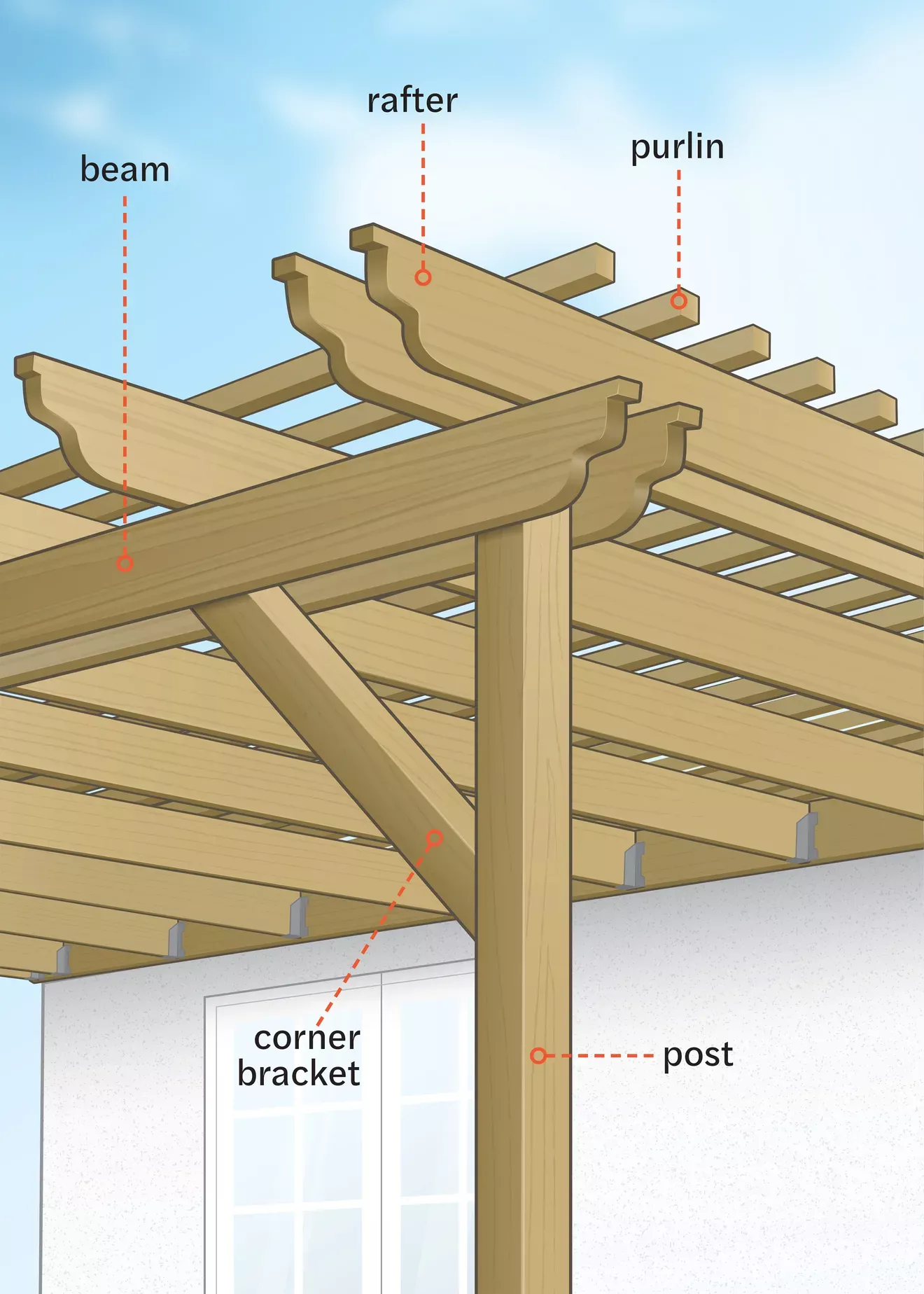


On the other hand, a six by six post has a substantial, robust presence that screams permanence and strength. While it may not fit a minimalist aesthetic, it provides the freedom to experiment with heavier roofing materials or complex designs without worrying about structural failure. By prioritizing the engineering first, you ensure that the visual elements you add later are supported by a solid foundation, eliminating the risk of collapse.
Spacing And Load Distribution
The distance between posts plays a crucial role in determining the required post size. A pergola with posts spaced eight feet apart will put more stress on the beams than one with posts spaced four feet apart. The further apart the posts, the more the beam acts like a bridge, sagging in the middle under the weight of the roof. To counteract this, you either need to lower the span between beams or increase the size of the posts.
Standard practice suggests that if you are using a six by six post, you can safely span up to sixteen to twenty feet between posts while maintaining a stable platform for the cross-beams. Reducing the spacing to eight or ten feet allows you to use a four by four post for most residential applications, provided the height is controlled. Optimizing the spacing ensures that the load is distributed efficiently, preventing localized stress points that could lead to failure.
Installation Techniques And Preventative Measures
Even the correct size wood for pergola posts will fail if installed improperly. Burying a post directly in the soil is a recipe for rapid decay, as the wood sits in a moist, oxygen-rich environment that invites fungi. The best practice is to set the posts in concrete above ground level, with a metal post base separating the wood from the wet earth. This simple step dramatically extends the life of the structure, regardless of whether you are using a four by four or a six by six.
Using a concrete footing that is wider than the post itself provides a larger surface area for weight distribution. A broad base prevents the wood from sinking into soft ground over time, which is a common cause of pergolas leaning to one side. Ensuring the post is perfectly plumb before the concrete sets is also vital, as a misaligned post puts uneven pressure on the beams, potentially causing structural issues that are difficult to correct later.
Long-Term Maintenance Strategies
Proper installation mitigates many risks, but ongoing maintenance is essential to preserve the integrity of your pergola posts. Applying a high-quality exterior-grade sealant or stain every few years protects the wood from UV rays and moisture. This is especially important for natural woods like cedar and redwood, which will gray over time without protection, leading to surface degradation.
Inspecting the connections between the posts and the beams regularly can catch issues early. Look for signs of rust on metal fasteners or movement in the structure that indicates loosening. Tightening bolts and reapplying sealant at the base of the post ensures that the framework remains tight and solid. These small efforts prevent major repairs and keep your pergola looking new for years.
When you take the time to evaluate your specific site conditions, intended use, and aesthetic goals, selecting the perfect dimensions becomes a straightforward process rather than a source of guesswork. Building with the correct size wood for pergola posts transforms your backyard into a durable sanctuary where memories are created without concern for the integrity of the structure. Visualizing your ideal outdoor retreat, framed by strong and reliable posts, is the first step toward bringing that vision to life with precision and care.
Related Articles

What Size Should Pergola Posts Be Sizing Guide For Durable Outdoor Structures
Choosing the right size for pergola posts is one of the most critical decisions you will make during the planning phase of your outdoor structure, as these...

No-Permit Pergola Sizes: Build Without Hassle
Planning a new outdoor structure often starts with a simple question, and for many homeowners, that question is what size pergola can i build without a permit...
What Size Posts for a Pergola? Perfect Dimensions Guide
Choosing the right size posts for a pergola is one of the most important decisions you will make during the planning phase, as it directly impacts the...

Best Handle Sizes for 42 Inch Cabinets
When it comes to cabinet handles, size matters. The right handle size can enhance the functionality and aesthetics of your 42-inch cabinets, making them not...

What Is The Best Size For A Pergola Ultimate Guide
Choosing the right dimensions for your outdoor structure is the most important decision you will make when planning a new backyard feature. A pergola that is...

Standard Futon Bed Sizes: What to Know
When it comes to bedding, the term "standard" can vary greatly depending on the type of bed you're looking at. For futons, the standard size can differ based...