What Temperature Is Warm White Light Bulb Bright Home Guide
When it comes to lighting, the term "warm white" is often used to describe a specific color temperature range. But what exactly does this mean, and how does it translate to the temperature of a light bulb? Let's delve into the world of light color temperatures and understand what makes a light bulb emit a warm white glow.
Light color temperature is measured in Kelvin (K), a scale that ranges from cool to warm. As the number increases, the light becomes cooler, shifting from warm to neutral to cool white. So, what temperature is warm white light bulb? Typically, warm white light bulbs fall within the range of 2700K to 3300K on the Kelvin scale.
Understanding the Kelvin Scale
The Kelvin scale is a thermodynamic temperature scale used to measure the absolute temperature of an object. In the context of light, it's used to describe the color temperature, which is a measure of the color appearance of a light source.


At the lower end of the scale, around 1000K, you'll find candlelight, which has a deep red, warm glow. As you move up the scale, the light becomes whiter, reaching a neutral white around 4000K to 5000K, similar to daylight.
2700K to 3000K: Soft White to Warm White
In the range of 2700K to 3000K, you'll find soft white to warm white light bulbs. These bulbs emit a cozy, inviting glow, reminiscent of traditional incandescent bulbs. This range is often used in residential settings, such as living rooms, bedrooms, and dining areas, to create a comfortable, relaxing atmosphere.


For example, a 2700K bulb is often used in bedrooms, as it provides a gentle, soothing light that's easy on the eyes in the evening. Meanwhile, a 3000K bulb might be used in a living room, offering a slightly brighter, yet still warm, light for socializing and watching TV.
3100K to 3300K: Cool White to Daylight
As you approach 3300K, the light starts to shift towards a cool white, similar to daylight. These bulbs are often used in commercial settings, such as offices and retail stores, where a brighter, more energizing light is desired.
For instance, a 3300K bulb might be used in an office to provide a bright, alerting light that's similar to natural daylight, helping to boost productivity and concentration. However, it's important to note that these bulbs might be too bright and harsh for residential use, especially in the evening.


Choosing the Right Warm White Light Bulb
When choosing a warm white light bulb, it's essential to consider the color rendering index (CRI) as well as the color temperature. The CRI is a measure of how accurately a light source renders colors compared to a natural light source.
A higher CRI, typically above 80, indicates that the light bulb will render colors more accurately and naturally. This is particularly important in settings where color accuracy is crucial, such as art studios or retail stores displaying products.
LED vs Incandescent Bulbs
When it comes to warm white light, LED bulbs have largely replaced traditional incandescent bulbs. While incandescent bulbs are known for their warm, inviting glow, they're also inefficient and have a short lifespan compared to LEDs.


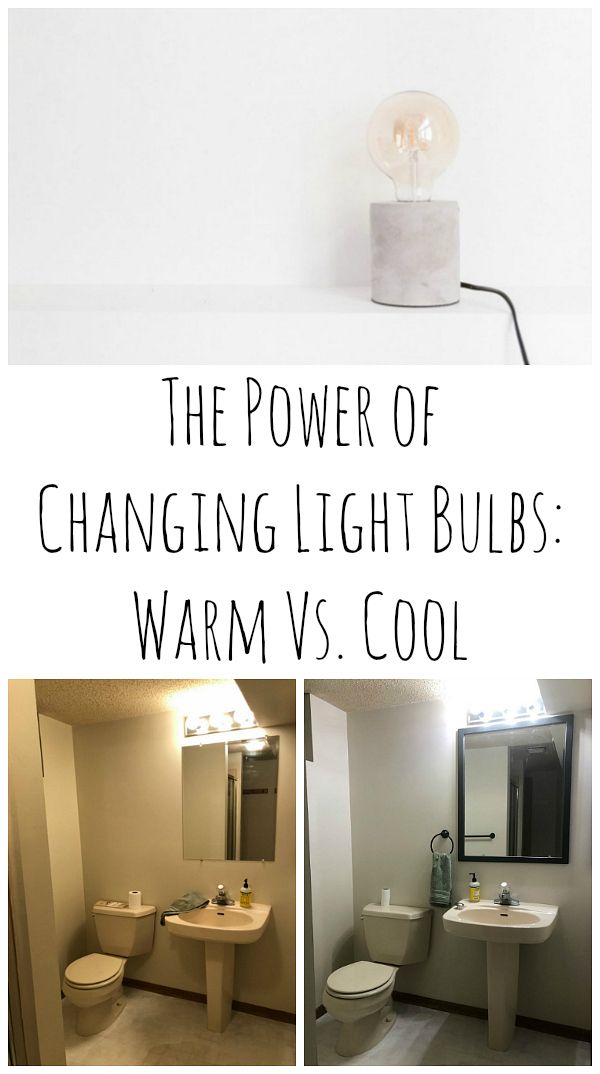


Modern LED bulbs can produce a wide range of color temperatures, including warm white, and are much more energy-efficient than incandescent bulbs. They also last much longer, with some LED bulbs having a lifespan of up to 50,000 hours.
In the end, the choice of warm white light bulb depends on your specific needs and preferences. Whether you're looking to create a cozy atmosphere in your home or a bright, energizing space in your office, there's a warm white light bulb out there to suit your needs. So, the next time you're shopping for light bulbs, you'll know exactly what to look for on the Kelvin scale.
Related Articles
What Temperature Is Warm White Light LED Bulb Guide
Ever wondered why some light bulbs are labeled as "warm white" while others are simply "white"? The difference lies in the color temperature, a crucial aspect...
What Colour Is Warm White Light Bulb Brightness Guide
When you stand in front of a lighting aisle, the simple question, what colour is warm white light bulb, can feel surprisingly complicated. Understanding that...
What Is Warm White in a Light Bulb: Bright Cozy Glow
In the world of lighting, the term "warm white" often leaves people wondering, "What exactly does that mean?" It's not just a fancy marketing term; it's a...
What Color Is Warm White Light Bulb Brightness Guide
When you stand in front of a lighting aisle, the simple question of what color is warm white light bulb can feel surprisingly complex, especially with so many...
What K Is Warm White Bulb: Bright Cozy Light Explained
Choosing the right lighting for your home or office can dramatically change the mood and functionality of a space, and understanding what k is warm white bulb...

What Kelvin Is Warm Light Bulb Bright Home Ideas
When you think about lighting your home, the phrase warm light bulb often appears, but the real question is what temperature makes a space feel inviting...