What K Is Warm White Bulb: Bright Cozy Light Explained
Choosing the right lighting for your home or office can dramatically change the mood and functionality of a space, and understanding what k is warm white bulb is the first step toward making an informed decision. This specific color temperature designation refers to a cozy, yellowish glow that mimics the warm light of a traditional incandescent bulb, making it a popular choice for living rooms and bedrooms. Many consumers find themselves confused by the Kelvin scale, but learning this concept is easier than it seems and empowers you to create the perfect atmosphere.
Warm white light sits on the lower end of the Kelvin spectrum, generally ranging from 2700K to 3000K, and this warmth promotes relaxation and comfort. When you see a bulb labeled as warm white, you can expect a soft, inviting ambiance that contrasts sharply with the cool, sterile feel of daylight bulbs. This guide will help you navigate the specifications, benefits, and ideal applications for this specific color temperature. Grasping the definition of this term allows you to upgrade your lighting without guesswork.
Understanding Color Temperature and Warm White
Color temperature is measured in Kelvin (K) and describes the visual appearance of light emitted by a source, rather than its actual heat. A lower Kelvin number indicates a warmer, yellower light, while a higher number produces a cooler, bluer light. The question what k is warm white bulb is answered by looking at the 2700K to 3000K range, which is specifically engineered to replicate the gentle glow of a classic filament bulb.


This temperature range is ideal for spaces where you want to unwind and feel at ease. Unlike cooler lights that can feel clinical or intense, warm white creates a soft envelope that makes colors appear richer and more inviting. This is why it is frequently used in residential settings where the goal is to foster intimacy and warmth rather than sharp visibility.
The Science Behind the Glow
Technically, the Kelvin scale measures the temperature at which a black body radiator emits light of a particular hue. When we ask what k is warm white bulb, we are looking at the lower end of this scale, where the output is heavily skewed toward red and yellow wavelengths. This biological reaction makes spaces feel closer and more comfortable, which is why candlelight and firelight sit comfortably in this range.


Manufacturers often use phosphor coatings on LED chips to manipulate the color spectrum to achieve this specific warmth. This technology allows modern bulbs to provide the aesthetic of old incandescents while using a fraction of the energy. As a result, you get the psychological comfort of yellow light without the high energy costs or heat output.
Comparing Warm White to Other Temperatures
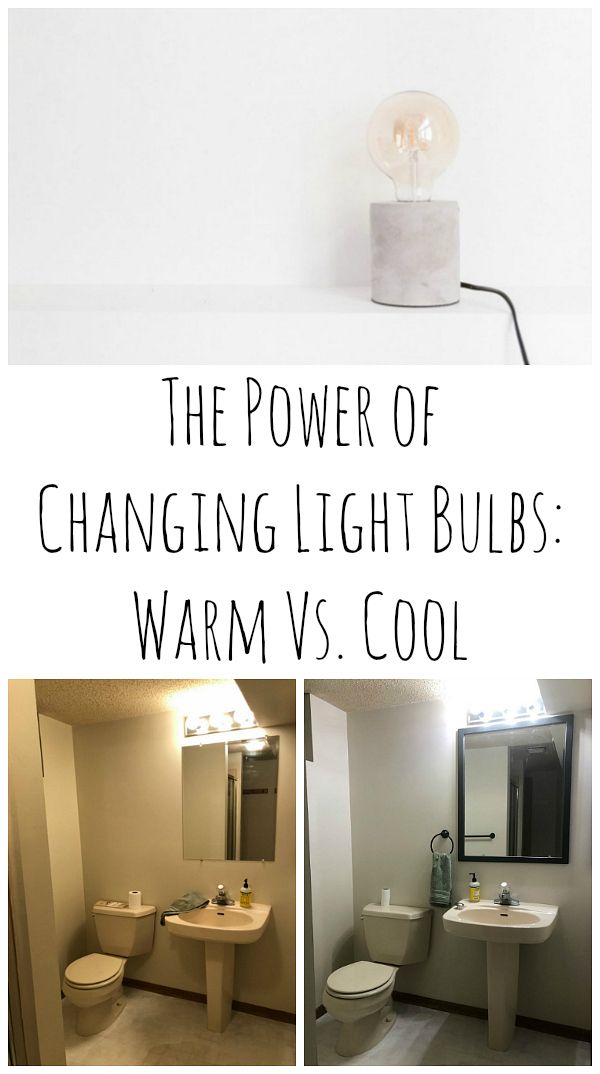
To truly appreciate warm white, it helps to compare it to other common color temperatures. Cool white, usually around 4000K to 5000K, provides a bright, daylight-like quality that is excellent for task-oriented areas like kitchens and bathrooms. In contrast, the soft output of a warm white bulb reduces glare and creates a more relaxing environment.
Daylight bulbs, which range from 5000K to 6500K, are often used in home offices or retail spaces where maximum clarity is required. However, using these in living areas can create a harsh, unwelcoming atmosphere. Selecting the right k for the room ensures that the lighting supports the activity and the mood you intend to create.




Applications and Practical Benefits
Understanding what k is warm white bulb allows you to apply this knowledge directly to your interior design strategy. This color temperature is universally praised for its ability to make a room feel cozy and lived-in, which is why it is the standard choice for bedrooms and family rooms. It flattering to skin tones and makes furniture and decor appear richer.
Furthermore, this specific lighting temperature can influence your circadian rhythm in a positive way when used in the evening. Exposure to cooler lights at night can suppress melatonin production, making it harder to sleep. By opting for warm white in the hours before bed, you create an environment that signals to your body that it is time to wind down.
Ideal Room by Room Guidance
In the living room, warm white bulbs are a staple because they encourage conversation and relaxation after a long day. They work well with wood furniture, soft textiles, and neutral paint palettes, enhancing the overall aesthetic cohesion of the space. Layering this light with table lamps and floor lamps adds depth and prevents the room from feeling flat.


Bedrooms also benefit immensely from this temperature, as the soft glow is perfect for reading before sleep without being too stimulating. Many people pair bedside fixtures with warm white to create a calming retreat. This consistency across sleeping areas helps maintain a tranquil environment that promotes better rest and reduces eye strain.
Energy Efficiency and Modern Technology
One of the significant advantages of choosing LED technology in the warm white spectrum is energy efficiency. Traditional incandescent bulbs waste a lot of energy producing heat, but LEDs convert most of their power into light. This means you get the same visual warmth without the uncomfortable burning sensation on your hand.
Modern LED warm white bulbs are available in a variety of shapes, from A19 to BR30, fitting any existing fixture. You do not have to sacrifice style for sustainability. Upgrading to these efficient sources is a simple change that reduces your electricity bill while maintaining the aesthetic you love.
Choosing the Right Bulb for Your Needs
When shopping for lighting, you will encounter terms like "soft white" and "warm white," which can sometimes be used interchangeably. Generally, soft white leans slightly cooler, around 2700K, while warm white sits closer to 3000K. Both provide that inviting yellow tone, but the subtle difference can impact the final look of your decor.
It is also important to consider the color rendering index (CRI) alongside the Kelvin rating. A CRI of 80 or above ensures that the light source accurately reveals the true colors of objects. Even if you have the correct k, a low CRI can make your space look dull or discolored, so always check both specifications on the packaging.
Dimming and Smart Compatibility
If you use dimmer switches or smart home systems, ensure that the bulbs you select are compatible. Not all LED bulbs are dimmable, and using a non-dimmable bulb in a dimmable fixture can cause flickering or reduce the lifespan of the product. Checking the packaging for the dimmable symbol is a quick and easy verification step.
Smart bulbs that allow you to adjust the warmth and brightness from your phone are a great option for tech-savvy users. These devices let you save a warm white setting for relaxing evenings and switch to a cooler temperature for working or cleaning. This flexibility puts you in complete control of your home’s atmosphere with just a tap.
Selecting the correct lighting temperature is a small change that yields significant results in how you feel in your space. By understanding what k is warm white bulb means, you gain the ability to tailor your environment to your specific needs and preferences. This knowledge empowers you to make purchases that enhance both the function and the feeling of your home.
As you explore your next lighting upgrade, consider how the right warmth can transform a room from merely illuminated to genuinely inviting. Taking the time to match the Kelvin rating to the purpose of each space ensures that your environment remains comfortable and efficient for years to come.
Related Articles
What Is Warm White in a Light Bulb: Bright Cozy Glow
In the world of lighting, the term "warm white" often leaves people wondering, "What exactly does that mean?" It's not just a fancy marketing term; it's a...
What Is a Warm LED Light Bulb: Bright Cozy Glow Explained
In the realm of lighting, the term "warm LED light bulb" has become increasingly popular, but what exactly does it mean? This phrase is often used...
What Is a Warm Light Bulb: Cozy Glow Explained
A warm light bulb, also known as an incandescent light bulb, is a type of lighting that produces light through the heating of a filament. This filament...

What Does Warm White Light Look Like Visual Guide_LED Bulb Color Temp Explained
Warm white light wraps a room in a soft, gentle glow that feels close to natural evening light. Many people ask, what does warm white light look like, and the...
What Temperature Is Warm White Light Bulb Bright Home Guide
When it comes to lighting, the term "warm white" is often used to describe a specific color temperature range. But what exactly does this mean, and how does it...
What Temperature Is Warm White LED Light Bulbs Explained
When it comes to LED lighting, the term "warm white" often leaves people wondering: what exactly does that mean in terms of temperature? In the world of...