Warm vs Cool Light: Which is Better for Your Home?
When you walk into a room and flick the switch, the first thing you notice is how the space feels, and a big part of that feeling comes down to whether you choose warm or cool light.
Understanding color temperature, measured in Kelvin, is the key to transforming an ordinary room into a space that supports your mood, your productivity, and your overall wellbeing.
Defining the Difference Between Warm and Cool Light
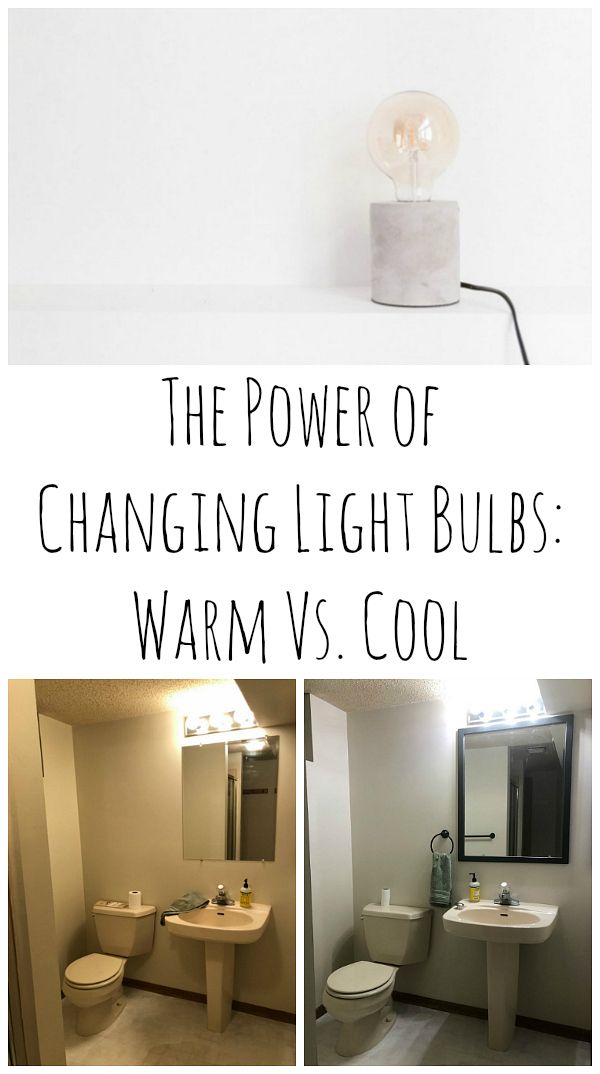
Warm light sits in the yellow to red spectrum, usually below 3000K, and it creates a cozy, intimate atmosphere that feels similar to traditional incandescent bulbs.


Cool light leans towards the blue spectrum, typically above 5000K, and it produces a bright, crisp illumination that mimics the natural light of a clear midday sky.
The Psychological Impact of Warm Tones
Warm light has a remarkable ability to lower stress and promote relaxation, which is why it is so popular in bedrooms, living rooms, and dining areas where people unwind.


The soft glow encourages the body to associate the environment with rest, making it easier to disconnect from the day’s tensions and settle in for quality time or sleep.
The Psychological Impact of Cool Tones
Cool light has an invigorating effect on the human brain, increasing alertness and reducing feelings of fatigue, which makes it ideal for workspaces and study nooks.
By heightening focus and improving visual clarity, this type of lighting helps you power through tasks, from reading fine print to tackling detailed projects with precision.


Matching Light Temperature to Room Function
The best lighting strategy is to align the temperature with the primary activity that takes place in each room, ensuring the environment supports what you need to do.
This tailored approach prevents the common mistake of using the same light everywhere, which can lead to rooms feeling either too sleepy or overly harsh.
Creating a Relaxing Bedroom Retreat
For bedrooms, a warm light between 2700K and 3000K is generally the superior choice, as it signals to your body that it is time to wind down.



This soothing quality can improve sleep hygiene, allowing you to fall asleep faster and enjoy deeper, more restorative cycles throughout the night.
Optimizing a Home Office for Productivity
In a home office or study, a cooler temperature around 4000K to 5000K is often better, providing the mental clarity needed for complex problem-solving.
This range reduces eye strain and keeps distractions at bay, helping you maintain a high level of concentration for extended periods of focused work.
Considering Practical Factors and Technology
Modern LED technology means you no longer have to sacrifice energy efficiency for the right ambiance, as both warm and cool options are available in low-energy bulbs.
Additionally, many smart lighting systems allow you to adjust the temperature throughout the day, giving you the flexibility to shift from energetic to calm with a simple voice command or tap on your phone.
Accent and Task Lighting Strategies
Consider using cool light for functional tasks like cooking or reading, where accurate color perception and sharp detail are essential.
Meanwhile, warm light can serve as accent lighting to highlight artwork, architecture, or decor elements, adding depth and character without overwhelming the space.
Adjusting for Natural Light Throughout the Day
Rooms that receive abundant daylight may benefit from warmer artificial lighting in the evening to balance the cool natural light fading away.
Conversely, spaces with limited windows might use cooler tones during the day to compensate for the lack of sunlight and create a more vibrant, welcoming atmosphere.
Experimenting with different temperatures and observing how your body and mind respond is the most reliable way to discover what feels right in your personal environment.
By thoughtfully selecting warm or cool light for each area of your home, you craft an everyday experience that supports both comfort and functionality in a way that feels uniquely yours.
Related Articles

White Light vs Warm Light: Which is Better for Your Home?
When it comes to choosing the right light for your space, two popular options often come to mind: white light and warm light. Both have their unique...

Wallpaper vs Paint: Which is Better for Your Home?
When it comes to transforming the look of your space, two popular options often come to mind: wallpaper and paint. Both have their unique advantages and can...

Open Closet vs Closed Closet: Which is Better for Your Home?
Choosing between an open closet versus a closed closet shapes how you live with your belongings every single day. This decision influences not only the visual...

White vs Black Curtains 2024: Which Is Better For Your Home?
Choosing between white or black curtains is more than a matter of personal taste, as it shapes how you experience light, privacy, and mood in every room. Many...

Is Warm Light Better Than Cool Light The Ultimate Showdown
When it comes to choosing the right lighting for your space, one of the most common questions that arises is: is warm light better than cool light? The answer...

Gutter Guards vs None: Which is Right for Your Home?
When it comes to protecting your home from water damage, one of the most crucial components to consider is your gutter system. Gutter guards, also known as...