What's the Difference Between Warm and Cool Lights: Brightness Explained
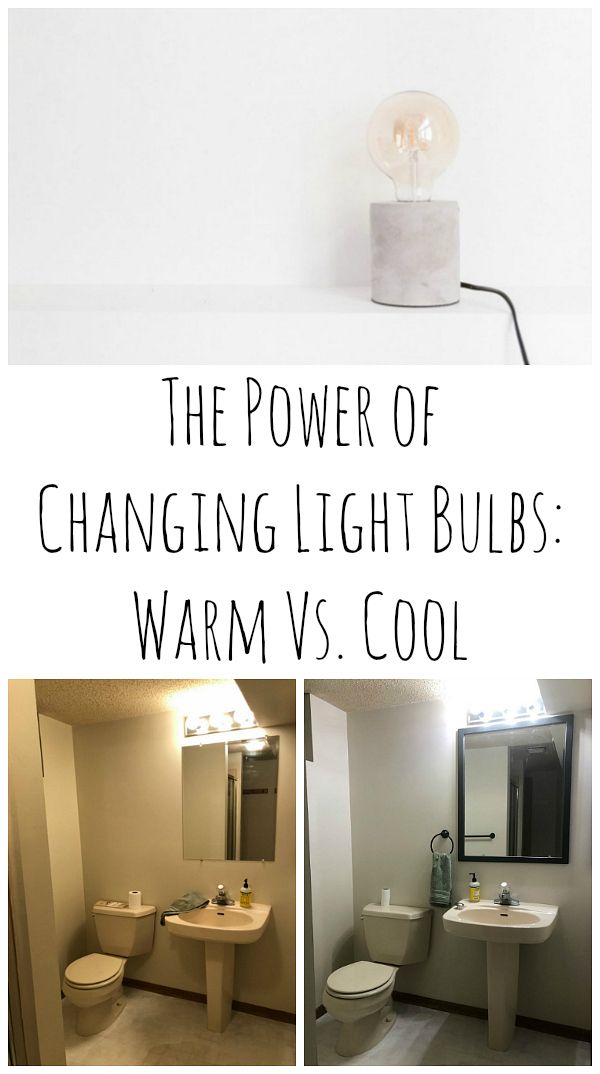
Ever found yourself in a room, squinting at the light, trying to figure out if it's too warm or cool? You're not alone. The difference between warm and cool lights is more than just a matter of temperature; it's about creating the right atmosphere, enhancing your mood, and even impacting your productivity. Let's dive into the world of lighting and explore the differences between these two types of lights.
Lighting is a powerful tool that can transform any space. It can set the mood, highlight features, and even influence our perception of color. But with so many options available, choosing the right light can be overwhelming. Two of the most common types of light are warm and cool, each with its unique characteristics and uses.
Understanding Light Temperature
Before we delve into the differences between warm and cool lights, let's understand the concept of light temperature. Measured in Kelvin (K), light temperature refers to the color appearance of light. Lower Kelvin values indicate warmer light, while higher values indicate cooler light.


Light temperature is a crucial factor in determining the mood and ambiance of a space. It can make a room feel cozy and inviting or bright and energetic. Understanding light temperature can help you choose the right light for your space.
Warm Light: The Cozy Choice
Warm light, with a temperature between 2700K to 3300K, emits a soft, inviting glow that's reminiscent of a sunset or a crackling fireplace. It's often described as having a yellowish or orange hue, which is why it's often used to create a cozy, intimate atmosphere.


Warm light is an excellent choice for living rooms, bedrooms, and dining rooms. It can make a space feel welcoming and comfortable, perfect for relaxing and unwinding. It's also a great option for task lighting, as it can help reduce eye strain by providing a soft, diffused light.
Cool Light: The Bright Option
Cool light, with a temperature between 5000K to 6500K, emits a bright, crisp light that's similar to natural daylight. It's often described as having a blueish or white hue, which is why it's often used in spaces where bright, clear light is needed.
Cool light is an excellent choice for offices, kitchens, and bathrooms. It can make a space feel bright and airy, perfect for tasks that require a lot of focus and attention to detail. It's also a great option for task lighting, as it can help improve visibility and reduce eye strain.


Choosing the Right Light for Your Space
Now that we understand the differences between warm and cool lights, let's discuss how to choose the right light for your space.
When choosing a light, consider the purpose of the space and the mood you want to create. For spaces where you want to relax and unwind, warm light is often the best choice. For spaces where you need to be alert and focused, cool light is usually more appropriate.
Layering Light
In addition to choosing the right light temperature, consider layering your light. Layering light involves using a combination of ambient, task, and accent lighting to create a balanced, inviting atmosphere.




Ambient lighting provides overall illumination, task lighting helps you see clearly when performing specific tasks, and accent lighting highlights specific features or areas of a room. By layering your light, you can create a space that's both functional and inviting.
Smart Lighting: The Future of Lighting
Smart lighting is another factor to consider when choosing the right light for your space. Smart lighting allows you to control your lights remotely, adjust the brightness and color temperature, and even set schedules and timers.
Smart lighting can help you create the perfect atmosphere for any occasion, from a romantic dinner to a productive work session. It can also help you save energy and reduce your carbon footprint by automatically turning off lights when they're not needed.
In the end, the right light is the one that creates the atmosphere you want and helps you use your space to its fullest potential. Whether you prefer the cozy glow of warm light or the bright clarity of cool light, there's a perfect lighting solution out there for you. So, go ahead, experiment with different light temperatures, and find the perfect lighting solution for your space. Happy lighting!
Related Articles

What Is The Difference Between Warm White And Cool White LED Lights Explained
When it comes to LED lights, the terms "warm white" and "cool white" often pop up, leaving many wondering about the difference between the two. Both are types...

Difference Between Cool White and Warm White LED Christmas Lights Explained
When it comes to choosing the perfect LED Christmas lights, the color temperature, measured in Kelvin (K), is a crucial factor to consider. Two popular choices...

What Is the Difference Between Cool White and Warm White Christmas Lights? A Complete Guide
When it comes to choosing the perfect Christmas lights, the decision often boils down to two popular options: cool white and warm white. Both offer a festive...

What Is The Difference Between Warm And Cool Lighting Explained SEO
Lighting shapes the way we experience a space, influencing mood, focus, and even how comfortable a room feels. When people talk about what is the difference...

Warm Light vs Cool Light: See the Key Differences Side by Side
Imagine you're in a room, one with a warm, inviting glow, and another with a crisp, refreshing light. These aren't just two different rooms; they're two...

What is the Difference Between a Trellis and an Arbor: Garden Structure Explained
In the realm of gardening and landscaping, structures like trellises and arbors often serve similar purposes, but they have distinct features that set them...