How to Open Old School Locker Lock Easy Guide
Ever found yourself in a nostalgic trip down memory lane, only to be thwarted by an old school locker lock that's seen better days? You're not alone. These vintage locks, often found in schools, gyms, or even vintage storage units, can be a puzzle to unlock. But fear not! With a bit of patience and the right techniques, you can crack that lock open and access your treasures. Let's delve into the world of old school locker locks and learn how to open them.
Firstly, it's crucial to understand that old school locker locks come in various types. The most common are the combination locks and the key locks. Combination locks require you to input a specific sequence of numbers, while key locks need a physical key to open. Let's explore each type in detail.
Understanding Old School Combination Locks
Old school combination locks are mechanical devices that use a series of wheels or dials to secure the locker. Each wheel is marked with numbers, and the correct sequence, or combination, aligns the wheels' internal notches, allowing the lock to open.


To open a combination lock, you'll need to know the combination. If you don't, you'll have to use trial and error or some lock-picking techniques. Remember, attempting to open a lock without permission is illegal, so only try these methods on your own lock or with explicit consent.
Using Trial and Error
If you've forgotten the combination, you can try to crack the lock using trial and error. Start by turning the dial to the left or right, listening for any clicks or resistance. These could indicate the start or end of the combination. Once you've found a click, move the dial in the opposite direction, stopping at each click. This method can be time-consuming but effective.


To speed up the process, you can use a technique called 'dialing'. Instead of stopping at each click, turn the dial quickly, listening for the clicks to become more frequent. This can help you narrow down the combination range. However, be careful not to overshoot the correct number.
Using Lock-Picking Techniques
If trial and error isn't working, you might want to try a lock-picking technique called 'raking'. This involves using a rake pick, a thin, flat tool designed to mimic the motion of a key. Insert the rake pick into the lock and move it back and forth while applying light pressure. The idea is to catch the internal notches and align them.
Raking can be tricky and requires practice to master. It's also important to note that using lock-picking tools without consent is illegal in many jurisdictions. Always ensure you have permission before attempting to pick a lock.


Opening Old School Key Locks
Old school key locks are simpler than combination locks but can still pose a challenge if you've lost the key. These locks use a physical key to align internal tumblers, allowing the lock to open.
If you've lost the key, your best bet is to contact a professional locksmith. They have the tools and expertise to open the lock without damaging it. However, if you're feeling adventurous, you can try to make a new key using a technique called 'lock bumping'.
Lock Bumping
Lock bumping involves using a specially designed key, called a bump key, and a small amount of force to 'bump' the lock open. The bump key is inserted into the lock and then tapped with a small hammer or a tool called a bump hammer. The idea is to create a momentary alignment of the internal tumblers, allowing the lock to open.


Lock bumping can be dangerous if not done correctly. It's important to note that using this technique can damage the lock if not done carefully. Also, lock bumping is illegal in some jurisdictions, so always check your local laws before attempting it.
In conclusion, old school locker locks can be a challenge to open, but with the right techniques and a bit of patience, you can unlock them. Whether you're using trial and error, lock-picking techniques, or even lock bumping, remember to always respect the lock's owner and only attempt to open it with explicit consent. Happy unlocking!
Related Articles

School Locker Lock How To Open Easy Step By Step Guide
Ever found yourself standing in front of your school locker, staring at the lock, and drawing a blank on how to open it? You're not alone. School locker locks...
How to Unlock a School Locker Lock: Easy Step-by-Step Guide
Ever found yourself in a pickle, standing in front of your school locker, books in hand, and lock refusing to budge? You're not alone. School lockers can...
How to Use an Old School Locker Lock: Easy Step by Step Guide
Ever found yourself in a nostalgic daze, reminiscing about the good old days when school lockers were the ultimate symbol of personal space? If you're here...
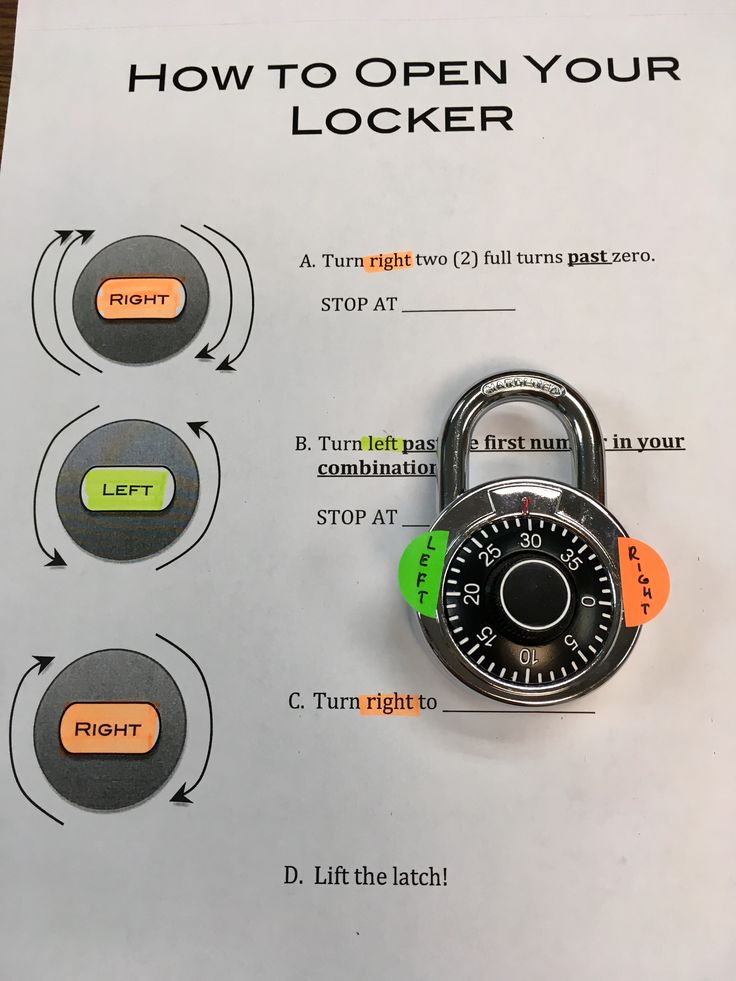
School Locker Lock Instructions: Step-by-Step Guide
Learning how to use a school locker lock correctly can save you time and stress during a busy day. These sturdy metal storage units line the hallways of most...

Find School Locker Locations Brisbane Fast Easy Guide
Finding the perfect school locker location in Brisbane can make a significant difference to your daily school routine. Not only does it help you stay...
Easy Locker Lock Instructions Step by Step Guide
Ever found yourself locked out of your school locker, office cabinet, or gym storage, frantically searching for those elusive locker lock instructions? You're...