Middle School Boy Locker Room: A Comprehensive Guide
The middle school boy locker room represents a distinct social environment where young adolescents navigate physical changes, group dynamics, and emerging self awareness. This space often blends the practical necessity of post gym class routines with the complex emotional landscape of early teenage years. Understanding how these rooms function offers valuable insight into the social development of boys between the ages of eleven and fourteen.
For many middle school students, the locker room serves as one of the first real-world training grounds for masculinity and peer interaction. The sounds, smells, and energy create a unique atmosphere that feels different from any classroom, testing boundaries and forging temporary alliances. Observing these interactions helps parents and educators understand the unspoken rules that govern this particular adolescent microcosm.
Social Dynamics and Unwritten Rules
The middle school boy locker room operates on a set of fluid social codes that prioritize fitting in and avoiding standing out in a negative way. Topics of conversation frequently orbit around sports, video games, and lighthearted humor, with occasional awkward attempts at flirting or boasting. Navigating these interactions requires a level of social savvy that is still being developed, leading to frequent missteps and hilarious misunderstandings.


Body language plays a critical role in communication, as boys often avoid direct eye contact during changing and rely on group banter to mask individual vulnerability. The concept of personal space is constantly negotiated in these crowded environments, where lockers and benches dictate proximity. Mastering the art of casual indifference, even when feeling self conscious, becomes a badge of honor for many participants.
Hierarchy and Group Identity
Invisible hierarch Quickly establish themselves based on athletic ability, confidence, and adherence to group norms. Students who excel at sports or display bold humor often occupy central positions within the social structure, while quieter individuals may cluster in the periphery. This structure, though seemingly rigid, is surprisingly malleable and shifts based on different contexts and peer groups.


The desire for group acceptance drives much of the behavior observed in these rooms, sometimes leading to conformity or the exclusion of those who seem different. Cliques form rapidly, often based on shared interests or elementary school affiliations. Navigating these divisions teaches valuable, albeit sometimes painful, lessons about loyalty, betrayal, and the complex nature of friendship at this age.
Humor and the Use of Sarcasm
Mockery and sarcastic remarks are common currency in these settings, serving as both entertainment and a mechanism for bonding. While often harsh in tone, these exchanges usually function as a way to diffuse tension and establish a pecking order without resorting to physical conflict. The line between playful teasing and genuine bullying is frequently blurred, requiring a keen understanding of intent and context.
Inside jokes spread like wildfire, creating pockets of shared identity that exclude outsiders. This humor often relies on absurdity, exaggeration, and a shared vocabulary that adults may find confusing or off putting. Recognizing the difference between harmless venting and targeted ridicule is an essential part of social learning for these young men.


Physical Environment and Practical Concerns
The physical layout of a middle school locker room directly influences the social interactions that take place within it. Rows of metal lockers, long benches, and open shower areas create a landscape of exposed vulnerability. The sounds of slamming doors, running water, and echoing voices contribute to a feeling of controlled chaos that defines the space.
Efficiency is a major factor in how boys navigate this environment, as they strive to change clothes quickly to minimize exposure and social interaction. Lock combinations and clothing choices become points of pride or frustration, impacting the overall mood of the transition period. Mastering the logistics of the locker room is a rite of passage that signifies growing independence.
Privacy and Personal Boundaries
Privacy concerns are paramount, as the open nature of the space offers limited options for solitude. Students develop strategies to create psychological buffers, such as keeping towels nearby or positioning themselves near others to avoid being singled out. The concept of modesty varies widely, fluctuating between bravado and self consciousness depending on the individual and the specific group present.


Disagreements over privacy, such as changing next to someone who makes others uncomfortable, are common sources of tension. Teaching boys about consent and respect for personal boundaries within this unique setting is a crucial aspect of modern education. Establishing clear expectations helps foster a safer and more inclusive environment for everyone using the facility.
Maintenance and Safety Issues
The condition of the locker room infrastructure can significantly impact the social climate and overall experience. Leaky faucets, flickering lights, and inadequate ventilation contribute to an atmosphere that may feel neglected or chaotic. Well maintained spaces convey a message of care and respect, which can positively influence student behavior and attitudes.
Safety remains a top priority, encompassing both physical infrastructure and emotional well being. Anti bullying policies must be clearly communicated and consistently enforced to ensure that the locker room does not become a zone of fear or intimidation. Regular supervision by staff trained to handle sensitive issues is essential for maintaining a secure environment.
As middle school boys move through this transitional phase, the lessons learned in the locker room extend far beyond the physical act of changing clothes. They absorb critical information about social cues, respect, and self presentation that will shape their interactions for years to come. Thoughtful guidance from adults can help them navigate this complex terrain with confidence and empathy.
Recognizing the nuanced reality of the middle school boy locker room allows parents and schools to address challenges proactively and celebrate the positive aspects of adolescent growth. Creating an environment where students feel safe and respected ultimately contributes to their overall development and school experience. Focusing on these subtle dynamics helps shape a more supportive community for the next generation.
Related Articles

Middle School Locker Room Rules: Essential Guide for Students and Parents
Navigating the middle school locker room can be an exciting yet daunting experience. It's a space where students store their belongings, socialize, and...

School Locker Sizes: A Comprehensive Guide
Choosing the right school locker sizes is one of the most practical decisions parents and students face at the start of the academic year. These storage spaces...

Locker Decorations Ideas for Middle School: Trendy Designs & DIY Hacks
Middle school is such a transformative time, and the way students personalize their spaces can say a lot about their growing sense of self. A locker is more...
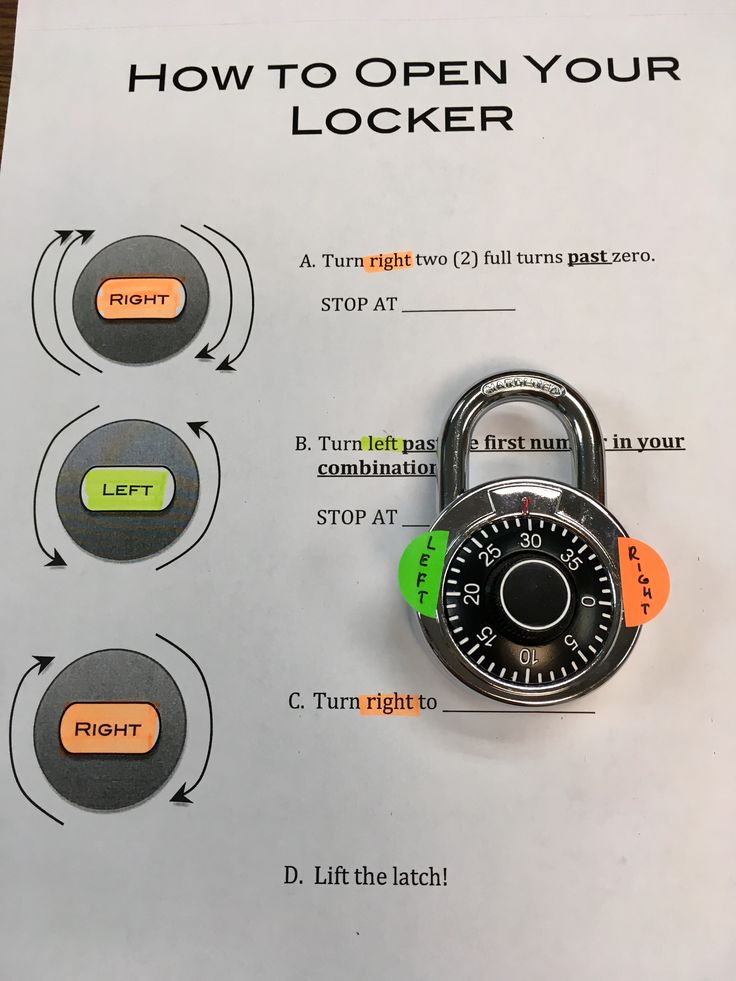
School Locker Lock Instructions: Step-by-Step Guide
Learning how to use a school locker lock correctly can save you time and stress during a busy day. These sturdy metal storage units line the hallways of most...

Find School Locker Locations Brisbane Fast Easy Guide
Finding the perfect school locker location in Brisbane can make a significant difference to your daily school routine. Not only does it help you stay...

High School Basketball Traveling Rules: A Comprehensive Guide
Understanding high school basketball rules on traveling is essential for players, coaches, and fans who want to grasp the fundamentals of the game. These...