Impressive Science Fair Display Board Examples for Winning Projects
Selecting science fair display board examples is often the first tangible step students take when transforming a complex experiment into a public story. These physical or digital panels act as the primary interface between young scientists and the judges, parents, and peers who walk by the project.
To maximize impact, these boards must balance scientific rigor with visual clarity, ensuring that intricate data does not overwhelm the viewer. Looking at science fair display board examples helps students understand how to organize their hypothesis, methods, and results in a logical flow that is easy to follow at a glance.
Design Layout and Visual Hierarchy
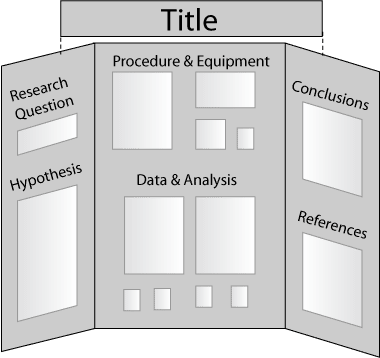
The arrangement of elements on a board determines how quickly a viewer can grasp the core idea. Good science fair display board examples demonstrate a clear hierarchy, guiding the eye from the title down to the conclusion without confusion.


Spacing and margins play a critical role in preventing the board from looking cluttered, giving the audience room to breathe and focus on specific sections of the presentation. A well-spaced layout ensures that even a busy display maintains an air of professionalism and order.
Color Schemes and Font Choices
Color schemes in science fair display board examples should support readability rather than distract from the content, using contrasting tones for text and background. Students often learn that a simple palette of dark text on a light background yields the best results for clarity during judging.


Font choices must prioritize legibility over style, ensuring that even viewers standing a few feet away can read the key terms without straining. Consistent typography across headings, subheadings, and body text helps create a cohesive and professional appearance.
Balancing Text and Imagery
Effective science fair display board examples strike a balance between dense data tables and engaging photographs of the experiment in action. Too much text can overwhelm, while too few images may leave the process unclear for the audience.
Diagrams, charts, and labeled photos serve as visual anchors that break up large blocks of text, making complex procedures easier to understand at a glance. These elements help tell the story visually, complementing the written notes that describe each step.


Content Organization and Scientific Process
A strong board reflects the scientific process from question to analysis, and science fair display board examples are valuable templates for structuring this narrative. Organizing content into distinct sections helps students articulate their reasoning and methodology with precision.
Viewers expect to see a logical progression that starts with the problem, moves through research and experimentation, and concludes with insights that address the original question. This structure not only meets judging criteria but also reinforces the student’s understanding of the material.
Abstract and Hypothesis Development
The abstract section in science fair display board examples provides a concise overview that captures the essence of the project in just a few sentences. Writing this part last often helps students distill their entire investigation into its most critical components.


Hypothesis development requires a clear prediction based on research, and strong examples show how this statement is framed as a testable "if...then" scenario. This upfront declaration sets the stage for evaluating whether the experiment supported or contradicted the initial assumption.
Data Presentation and Analysis Techniques
Data presentation in science fair display board examples should transform raw numbers into understandable visuals, such as graphs or charts. Choosing the right graph type—bar, line, or pie—depends on the kind of data collected and the trends one wishes to highlight.
Analysis goes beyond simply listing results; it interprets what the data means in relation to the hypothesis. Detailed captions and concise explanations help judges see the significance of the findings without needing to ask the student for clarification.
Materials, Methods, and Final Polish
Describing materials and methods clearly is essential for replicability, and science fair display board examples often use bullet points or numbered steps to simplify complex procedures. This transparency allows others to understand exactly how the experiment was conducted.
Safety considerations and ethical approvals should be mentioned when relevant, showcasing the student's awareness of responsible experimentation. Including these details demonstrates a mature approach to scientific research beyond just the end result.
Proofreading and Presentation Skills
Proofreading is a crucial final step, as spelling or grammatical errors on a science fair display board can undermine the credibility of even the most sophisticated experiment. Students benefit from reading their text aloud or asking a teacher to review the board before setup.
Presentation skills tie the board and the student together, as verbal explanations expand on the visuals without simply reading the text verbatim. Practicing this delivery ensures confidence and helps the project stand out during question sessions with judges.
Adapting Examples for Individual Projects
While science fair display board examples provide a roadmap, customization is key to reflecting the unique aspects of each project. Students should feel empowered to adjust the layout, add personal insights, or incorporate creative elements that represent their personality.
The best boards strike a balance between guidance and innovation, using examples as a foundation rather than a strict template. This approach encourages originality while still adhering to the fundamental principles of clear communication and scientific accuracy.
Exploring different science fair display board examples helps students develop a keen eye for effective communication and scientific storytelling. Observing these templates builds confidence in how to arrange data, showcase methodology, and present findings with clarity and professionalism.
By studying these examples and adapting them thoughtfully, young scientists can transform their projects into compelling narratives that engage their audience and leave a lasting impression long after the fair ends.
Related Articles

Diorama Science Fair: Winning Projects and Display Tips
Exploring science through a diorama at the science fair turns abstract concepts into a tangible, walkable landscape that sparks curiosity in every visitor...
25+ Display Board Examples for Science Projects That Wow Judges
Choosing the right display board examples for science projects can feel overwhelming, but visual planning is the first step toward a winning presentation. A...

150+ Science Poster Board Examples for Winning Projects
Creating an effective science poster board requires careful planning and a clear understanding of how to communicate complex ideas visually. Whether you are a...

100+ Catchy Science Fair Theme Ideas for Winning Projects
Choosing a science fair theme is often the very first spark that determines whether a project will feel like a chore or a thrilling adventure, and getting this...

Interactive Hospital Model Ideas for School Projects Science Fair Blueprint
Transforming the traditional classroom into a dynamic learning environment is an exciting challenge for any school project. One innovative approach gaining...

25 Winning Science Fair Model Ideas for Curious Minds
Choosing science fair model ideas can feel overwhelming, but the right project turns curiosity into a hands-on adventure. A strong model helps students...