What Is a Warm LED Light Bulb: Bright Cozy Glow Explained
In the realm of lighting, the term "warm LED light bulb" has become increasingly popular, but what exactly does it mean? This phrase is often used interchangeably with "soft white LED bulbs," but there's more to it than just a color temperature. Let's delve into the world of warm LED light bulbs, exploring their characteristics, benefits, and uses.
Warm LED light bulbs are designed to mimic the warm, inviting glow of traditional incandescent bulbs. They emit a soft, yellowish-white light, typically with a color temperature between 2700K and 3000K. This range is considered "warm" because it's closer to the color of natural daylight, which has a color temperature of about 5500K. In contrast, cool white LEDs have a color temperature of 5000K or higher, appearing more blueish-white.
Understanding Color Temperature
The color temperature of a light source is measured in Kelvin (K) and indicates the warmth or coolness of the light it emits. Lower Kelvin values correspond to warmer colors, while higher values indicate cooler colors. This scale is logarithmic, meaning each step of 100K represents a significant change in perceived color.


For instance, a 2700K bulb emits a warm, cozy light similar to a traditional incandescent bulb, while a 5000K bulb provides a bright, cool light reminiscent of daylight. Understanding color temperature is crucial when choosing the right warm LED light bulb for your space.
Color Rendering Index (CRI)
Another crucial aspect to consider when choosing warm LED light bulbs is the Color Rendering Index (CRI). This scale, ranging from 0 to 100, measures how accurately a light source reveals the colors of objects in comparison to a natural light source. A CRI of 100 indicates perfect color rendering, while lower values indicate less accurate color reproduction.


For warm LED light bulbs, a CRI of 80 or higher is recommended. This ensures that the light source accurately represents the colors of objects in your space, creating a more natural and inviting atmosphere. Lower CRI values may result in a dull, washed-out appearance, detracting from the overall ambiance.
Benefits of Warm LED Light Bulbs
Warm LED light bulbs offer numerous advantages over traditional incandescent and even some compact fluorescent (CFL) bulbs. Firstly, they are highly energy-efficient, consuming up to 80% less energy than incandescent bulbs. This not only reduces your carbon footprint but also leads to significant savings on your electricity bills over time.
Additionally, warm LED light bulbs have a much longer lifespan than incandescent and CFL bulbs. While incandescent bulbs typically last around 1,000 hours and CFLs around 8,000 hours, warm LED light bulbs can last up to 25,000 hours or more. This means fewer replacements and less waste, making them an environmentally friendly choice.


Applications of Warm LED Light Bulbs
Warm LED light bulbs are versatile and can be used in a variety of settings to create a welcoming, inviting atmosphere. They are particularly well-suited for residential spaces, such as living rooms, bedrooms, and dining rooms, where a cozy, comfortable ambiance is desired.
In commercial settings, warm LED light bulbs can be used in hospitality venues like restaurants, hotels, and bars, as well as in retail stores and offices, to create a warm, inviting environment that encourages customers and employees to feel at ease.
Choosing the Right Warm LED Light Bulb
When selecting a warm LED light bulb, consider the following factors to ensure you make the best choice for your needs:


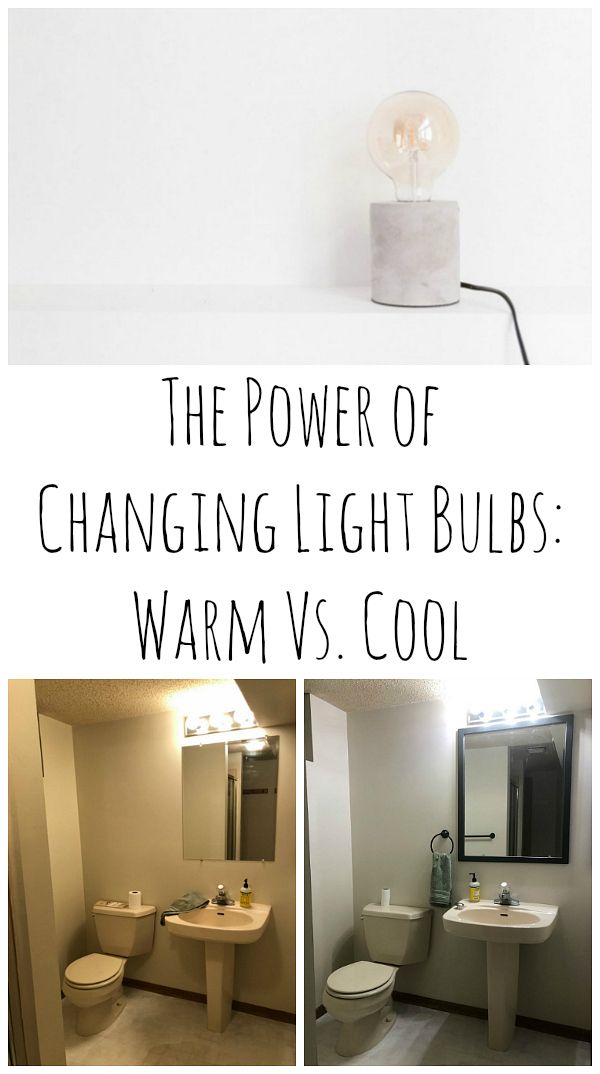


- Color Temperature: Opt for a color temperature between 2700K and 3000K for a warm, inviting glow.
- CRI: Choose a bulb with a CRI of 80 or higher for accurate color rendering.
- Lumens: Consider the bulb's lumen output, which indicates its brightness. A higher lumen count means a brighter light.
- Dimmability: If you want to control the light's brightness, choose a dimmable bulb and ensure it's compatible with your dimmer switch.
Warm LED Light Bulbs vs. Other Light Sources
Warm LED light bulbs offer numerous advantages over traditional incandescent and CFL bulbs, as well as some cool white LED bulbs. While cool white LEDs may provide a brighter, more energizing light, warm LED light bulbs create a more inviting, comfortable atmosphere. Additionally, warm LED light bulbs are generally more energy-efficient and have a longer lifespan than incandescent and CFL bulbs, making them a more sustainable choice.
However, it's essential to consider the specific needs of your space when choosing a light source. For instance, task lighting may require a cooler, brighter light, while ambient lighting may benefit from the warm glow of an LED light bulb.
In the ever-evolving world of lighting, warm LED light bulbs have emerged as a popular and practical choice for creating a welcoming, inviting atmosphere. By understanding their characteristics, benefits, and uses, you can make informed decisions when selecting the perfect warm LED light bulb for your space. So go ahead, embrace the warmth, and transform your environment with the soft, inviting glow of warm LED light bulbs.
Related Articles
What Is a Warm Light Bulb: Cozy Glow Explained
A warm light bulb, also known as an incandescent light bulb, is a type of lighting that produces light through the heating of a filament. This filament...
What Is Warm White in a Light Bulb: Bright Cozy Glow
In the world of lighting, the term "warm white" often leaves people wondering, "What exactly does that mean?" It's not just a fancy marketing term; it's a...
What K Is Warm White Bulb: Bright Cozy Light Explained
Choosing the right lighting for your home or office can dramatically change the mood and functionality of a space, and understanding what k is warm white bulb...
What is a Warm Light Bulb Brightness Temperature Explained
When people talk about lighting their homes, the question of what is considered a warm light bulb often comes up, yet the answer is more layered than a simple...

What Color Light Bulb for Dining Room: Bright Ideas & Warm Tones
When it comes to creating a welcoming and inviting atmosphere in your dining room, the right lighting can make all the difference. But with a plethora of light...

What Does Warm White Light Look Like Visual Guide_LED Bulb Color Temp Explained
Warm white light wraps a room in a soft, gentle glow that feels close to natural evening light. Many people ask, what does warm white light look like, and the...