Pergola Post Sizes: A Comprehensive Guide
Determining the correct size for pergola posts is one of the most critical decisions you will make during the planning phase of your outdoor structure, as it directly impacts the entire project's stability and longevity. Many homeowners focus initially on the aesthetic shape or the fabric of the cover, but the vertical support elements are the skeleton that defines whether your pergola will stand firm against the elements or gradually sag over time. Choosing the appropriate dimensions for these posts is not merely a matter of plugging numbers into a formula; it is a balance between engineering requirements, visual proportion, and budget constraints. This guide will walk you through the essential factors that dictate the right size for your pergola posts.
Whether you are constructing a classic wooden retreat in your garden or a sleek aluminum structure on a patio, the load-bearing principles remain the same. The posts must handle vertical weight from the roof, lateral pressure from wind, and the stress of connecting beams and rafters. Ignoring these forces can lead to dangerous situations where the structure becomes unstable or requires costly repairs later. By understanding the specific requirements based on your design, you can ensure your pergola is both beautiful and safe for years to come.
Understanding the Core Structural Factors
The size of your pergola posts is not a random choice; it is dictated by a complex interaction of physics and design. The primary role of these posts is to transfer the load of the roof structure safely down to the ground, preventing the system from collapsing under stress. Factors such as the overall span of the roof, the pitch of the beams, and even the climate in your region play a significant role in determining the minimum diameter and height of the support columns.


Engineers look at load distribution when sizing pergola posts. A wide span with a flat roof exerts much more bending stress on the posts than a narrow span with a steep pitch. The weight of heavy roofing materials like tiles or shingles, combined with the potential weight of snow in colder climates, requires significantly thicker support than a lightweight open framework. Therefore, the specific parameters of your project are the ultimate guide to selecting the correct post size.
Span and Spacing
The distance between your pergola posts, often referred to as the span, is a major determinant of their required strength. The longer the distance an unsupported beam has to bridge, the more weight it will eventually sag under, which in turn transfers pressure to the posts. Standard residential pergolas with moderate spacing usually fare well with standard dimensional lumber, while wider commercial installations demand engineered solutions or significantly larger timber.


Spacing also dictates whether you need intermediate posts. If you are planning a long pergola walkway, placing posts too far apart will result in a structurally weak and wobbly structure. By calculating the span and limiting the distance between supports, you establish the baseline load each post must handle, which directly informs whether you need 4x4, 6x6, or even larger columns.
Material Composition
The type of material you choose for your posts—wood, aluminum, steel, or vinyl—greatly influences the required size for structural integrity. Natural wood, such as cedar or pressure-treated pine, is popular for its warmth and appearance but requires larger dimensions to achieve the same strength as metal. A 6x6 wooden post is a standard choice for many do-it-yourself projects because it offers a robust presence that can handle typical loads without excessive deflection.
Conversely, metal posts like aluminum or steel can be much slimmer while supporting the same load, thanks to their higher tensile strength. An aluminum pergola post might only need to be 2x4 inches in its frame because the material itself is strong yet lightweight. This size difference affects not only the foundation but also the overall aesthetics, allowing for more open sightlines or a more delicate architectural profile.


Sizing for Specific Applications
Different pergola styles and climates demand different post dimensions to ensure optimal performance. A freestanding structure in a windy area requires a different approach than a tightly attached gazebo-style pergola. Selecting the wrong size can lead to a structure that looks nice on the surface but fails to perform when the weather turns or when heavy accessories are added.
Professional builders adhere to specific guidelines that have been tested over time. These standards provide a roadmap for choosing the right size, ensuring that the vertical supports can handle both the expected load and the unexpected stresses of weather. By following these guidelines, you protect your investment and the safety of everyone who uses the space.
Wooden Pergolas
For traditional wooden pergolas, the 4x4 inch post is a common recommendation for small to medium-sized structures in moderate climates. This size provides a solid visual base and adequate strength for spans up to 10 feet, assuming the posts are set in concrete footings at least 3 feet deep. The thickness of the wood resists twisting and bending, which is essential for a structure exposed to the elements.

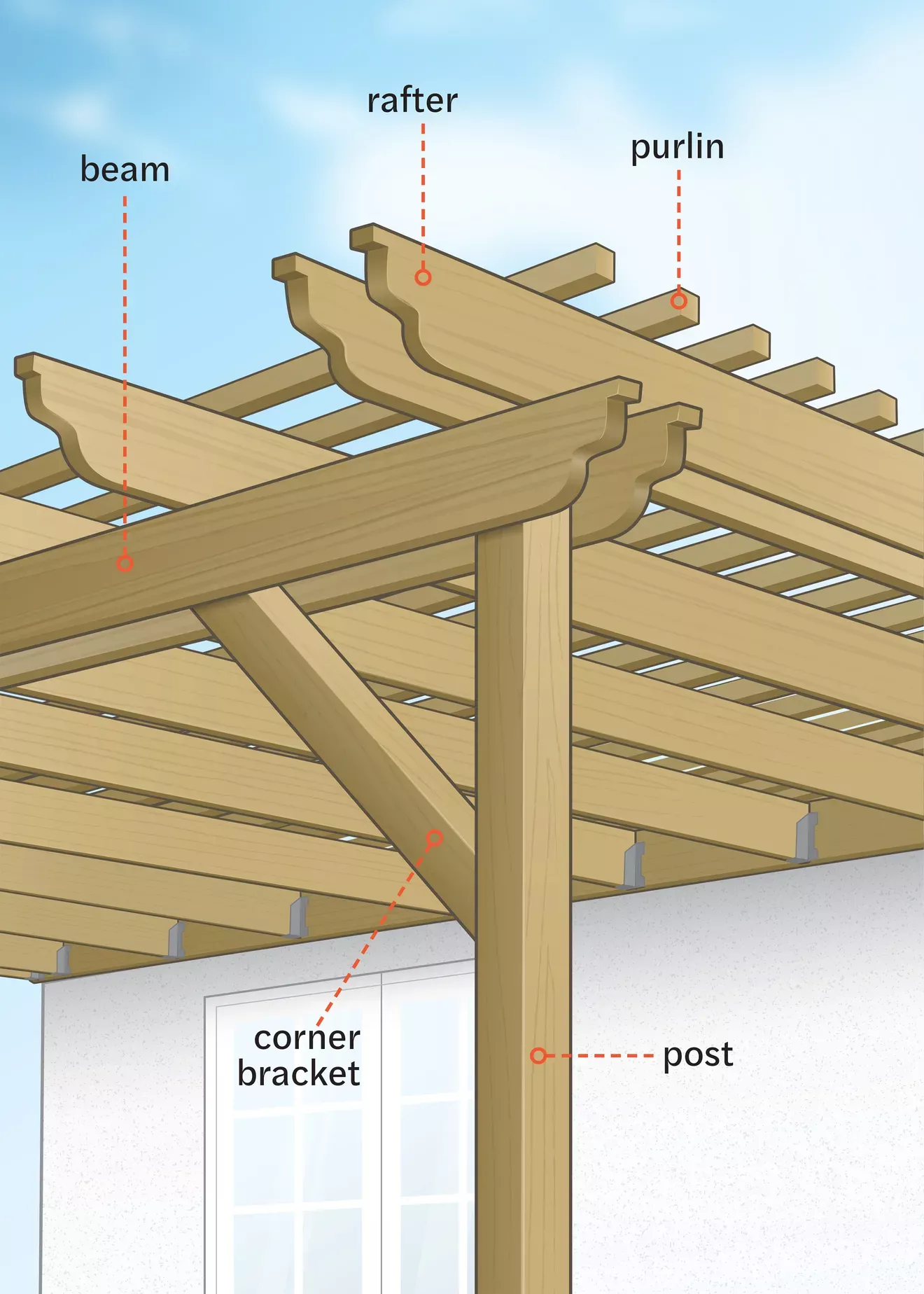


However, if your pergola covers a large area or you live in a region with heavy snow or high winds, stepping up to a 6x6 post is a wise investment. The additional mass and surface area significantly increase the rigidity of the structure, preventing the roof from sagging and ensuring the posts remain perfectly vertical. This size is also better suited for attaching heavy beams and accessories without the risk of the post splitting or bending.
Metal and Modern Pergolas
Modern pergolas often feature sleek aluminum or steel posts that redefine outdoor architecture. Because these materials are stronger than wood on a pound-for-pound basis, manufacturers can use much narrower profiles. It is common to see aluminum posts sized at 2x4 inches or even smaller, yet they support wide roofs and heavy accessories with ease.
Steel posts, while slightly heavier, offer the highest strength-to-weight ratio and are ideal for very large spans or commercial applications. These systems are often designed with a specific cross-bracing pattern that maximizes stability without requiring the massive dimensions of traditional timber. Choosing metal allows for a cleaner look and greater design flexibility, as the slim posts create less visual obstruction.
Climate and Environment Considerations
The environment in which your pergola will sit is a non-negotiable factor in post sizing. In areas with frequent high winds, the posts must act as reliable anchors for the entire structure. A thicker post set deeply in the ground provides the necessary resistance to wind uplift and prevents the roof from acting like a sail.
Similarly, seismic activity or unstable soil conditions require a more robust foundation and larger posts. The goal is to create a structure that moves as a single unit, resisting lateral forces that could otherwise topple it. Consulting local building codes is essential here, as they often specify minimum sizes and burial depths based on the regional weather patterns and soil composition.
Final closing paragraph (no AI clichés): Embracing the process of selecting the right support dimensions allows you to tailor your outdoor sanctuary to your exact vision, whether that means a massive, solid timber statement or a graceful, minimalist metal frame. Take the time to assess your specific landscape and usage needs, and you will find the perfect balance of strength and style that seamlessly integrates with your home and lifestyle.
Related Articles
What Size Should Pergola Posts Be Sizing Guide For Durable Outdoor Structures
Choosing the right size for pergola posts is one of the most critical decisions you will make during the planning phase of your outdoor structure, as these...
Optimal Wood Sizes for Pergola Posts
Choosing the right size wood for pergola posts is the single most important structural decision you will make during the design process. This foundational...
What Size Posts for a Pergola? Perfect Dimensions Guide
Choosing the right size posts for a pergola is one of the most important decisions you will make during the planning phase, as it directly impacts the...

What Is The Best Size For A Pergola Ultimate Guide
Choosing the right dimensions for your outdoor structure is the most important decision you will make when planning a new backyard feature. A pergola that is...

No-Permit Pergola Sizes: Build Without Hassle
Planning a new outdoor structure often starts with a simple question, and for many homeowners, that question is what size pergola can i build without a permit...

Modern Door Trim Sizes: A Comprehensive Guide
Modern door trim size plays a critical role in defining the visual balance and architectural character of any interior space. Choosing the correct dimensions...