What Size Pergola Posts: A Comprehensive Guide
Choosing the right size pergola posts is the foundational decision that determines whether your outdoor structure looks graceful or feels like a fortress. The diameter and height of these vertical supports directly influence the visual weight, structural integrity, and overall aesthetic of your pergola. This guide breaks down everything you need to know to select the perfect dimensions for your project.
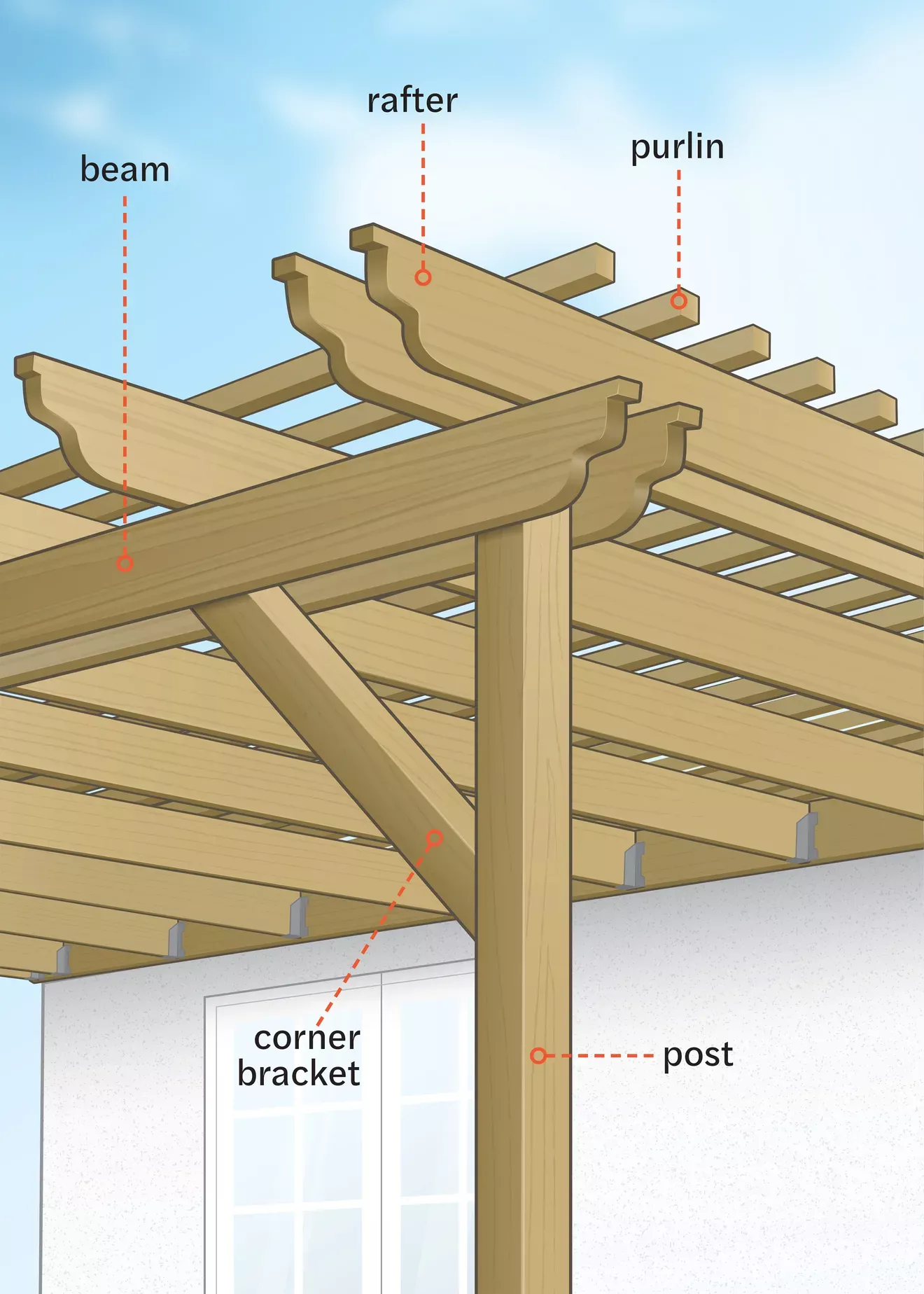
When planning a pergola, you must consider the span between supports, the load of the roofing, and the local climate conditions. Posts act like the legs of a table; if they are too slender for the space, they will flex or buckle under pressure. Understanding the relationship between post size and the area it must cover ensures your pergola remains level, sturdy, and beautiful for decades.
Understanding Load and Span Requirements
The distance between your pergola posts, often called the span, is the primary factor in determining the required size. A short span of 8 feet between posts puts minimal stress on the structure, allowing for smaller diameter posts. However, if you are designing a large entertainment space with a 12 to 14-foot span, the posts must be significantly thicker to handle the downward force of the roof and potential snow or heavy rain loads.


Additionally, the live load from hanging plants, outdoor lighting, or a retractable canopy adds stress to the posts. Dead load refers to the weight of the pergola itself, including beams and rafters. Engineers calculate these forces to ensure the posts resist bending, known as deflection. Ignoring these calculations can result to sagging or instability, which is why starting with the correct post dimensions is non-negotiable for safety.
Standard Residential Applications
For most standard residential pergolas, pressure-treated wood posts with a diameter of 4x4 inches are the industry standard. This size provides ample strength for spans up to 10 feet and is widely available at home improvement stores. The 4x4 offers a robust presence that complements traditional lattice or fabric canopies without overwhelming the space.


If your design incorporates a heavy-duty roof with composite shingles or if you live in a windy region, stepping up to a 6x6 post is a wise investment. The 6x6 size dramatically increases the load-bearing capacity and provides a more substantial visual anchor. This size is particularly effective for modern pergolas with clean lines and minimal roofing, where the posts are a prominent design feature.
Aesthetic Versus Structural Balance
While engineering dictates the minimum size for structural integrity, the visual impact of the posts is equally important. A 4x4 post might be structurally sufficient for a small garden area, but it can appear too bulky in a large courtyard, breaking the visual harmony. In these cases, you might opt for a 6x6 post placed at a greater distance to maintain the span while achieving a slimmer profile relative to the open space.
Conversely, using very thin posts for a large area can create a sense of fragility. The goal is to achieve a balance where the posts feel supportive yet elegant. Choosing slightly larger posts than strictly necessary for the span can give you confidence during storms and add a sense of permanence to your backyard retreat.


Material Choices and Their Impact on Size
The material you select for your pergola posts will dictate the physical dimensions you need to consider. Wood is a popular choice because it is strong and affordable, but it is also susceptible to rot and insect damage if not properly treated or maintained. Cedar and redwood are naturally resistant to decay, allowing them to be used in humid climates where steel might be a better long-term investment.
Steel and aluminum pergola posts offer a different equation entirely. Because metal is stronger than wood, steel posts can be thinner in diameter while supporting the same load. An 8-foot span might require a 6x6 wooden post, but the same span could be adequately supported by a 3x3 or 4x4 steel column. This makes steel ideal for modern designs that prioritize slender profiles and open sightlines.
Concrete and Composite Options
Concrete posts are often used as a base or footing rather than as standalone vertical supports. They are typically poured into the ground to create a solid anchor point, to which wooden or steel posts are then bolted. This method combines the strength of concrete with the versatility of other materials, ensuring the entire structure is grounded literally and figuratively.




Composite materials, which blend wood fibers with plastic, are becoming more popular for pergola construction. These posts resist warping and fading, and they are available in a variety of diameters that mimic the look of timber without the maintenance. When selecting composite posts, ensure the product specifications match the span and load requirements of your specific design.
Mounting and Connection Methods
How you attach the post to the ground or the beam affects the perceived size and stability of the structure. Setting a wooden post directly into the soil might seem straightforward, but it requires a larger above-ground diameter to resist rot at the critical point where moisture collects. Using a concrete footing with a metal post base allows for smaller above-ground columns because the load is distributed effectively below the surface.
Flaring the base of a wooden post, a technique known as a "cofferdam," can also increase longevity by allowing water to drain away. For steel posts, ensuring the base plate is thick and wide enough to distribute the weight is crucial. Regardless of material, the connection method must support the size of the post to prevent twisting or lateral movement.
Selecting the proper dimensions for your pergola posts ensures your outdoor structure is both beautiful and built to last. Matching the diameter and height to your specific span, load, and material preferences transforms a simple framework into a durable and inviting extension of your living space. Take the time to measure and plan, and your pergola will provide years of shade and style.
Related Articles

What Size Should Pergola Posts Be Sizing Guide For Durable Outdoor Structures
Choosing the right size for pergola posts is one of the most critical decisions you will make during the planning phase of your outdoor structure, as these...
What Size Posts for a Pergola? Perfect Dimensions Guide
Choosing the right size posts for a pergola is one of the most important decisions you will make during the planning phase, as it directly impacts the...
What Is The Best Size For A Pergola Ultimate Guide
Choosing the right dimensions for your outdoor structure is the most important decision you will make when planning a new backyard feature. A pergola that is...

Optimal Wood Sizes for Pergola Posts
Choosing the right size wood for pergola posts is the single most important structural decision you will make during the design process. This foundational...

Best Paints for Rock Painting: A Comprehensive Guide
Choosing the right materials to transform a plain stone into a vibrant piece of art is the very first creative decision any rock painter faces. Whether you are...

Best Woods for Gazebo Construction: A Comprehensive Guide
Choosing the right wood for gazebo construction is one of the most important decisions you will make, as it directly influences durability, maintenance needs...