Warm vs Soft Light Bulbs: The Ultimate Showdown
When it comes to choosing the perfect lighting for your home or workspace, the terms "warm light" and "soft light" often pop up. But what do these terms really mean, and how do they differ? Let's delve into the world of lighting to understand the nuances between warm light vs soft light bulbs.
First, let's clarify that both warm and soft lights are types of white light, but they differ in their color temperature, which is measured in Kelvin (K). The color temperature scale ranges from warm to cool, with lower Kelvin values indicating warmer light, and higher values indicating cooler, or whiter, light.
Understanding Warm Light
Warm light bulbs emit a cozy, inviting glow, reminiscent of the sun's light at sunset. They typically fall within the 2700K to 3000K range on the color temperature scale.


Warm light is often used in living rooms, bedrooms, and dining areas to create a relaxing, comfortable atmosphere. It can also help to accentuate warm colors in your space, such as reds, oranges, and yellows.
Incandescent and Halogen Bulbs
Traditional incandescent and halogen bulbs are well-known for producing warm light. However, they are less energy-efficient than modern alternatives like LED bulbs.


Incandescent and halogen bulbs work by passing an electric current through a filament, which glows and emits light. While they provide a warm, inviting glow, they also produce a significant amount of heat and have a shorter lifespan compared to LED bulbs.
LED Bulbs for Warm Light
Many LED bulbs are now available that mimic the warm glow of incandescent and halogen bulbs. These LED bulbs typically have a color temperature of 2700K or 3000K, providing a warm, inviting light while offering improved energy efficiency and a longer lifespan.
Some LED bulbs even offer adjustable color temperature, allowing you to switch between warm and cooler light as needed. This versatility makes LED bulbs an excellent choice for those looking to optimize their lighting for different tasks or moods.
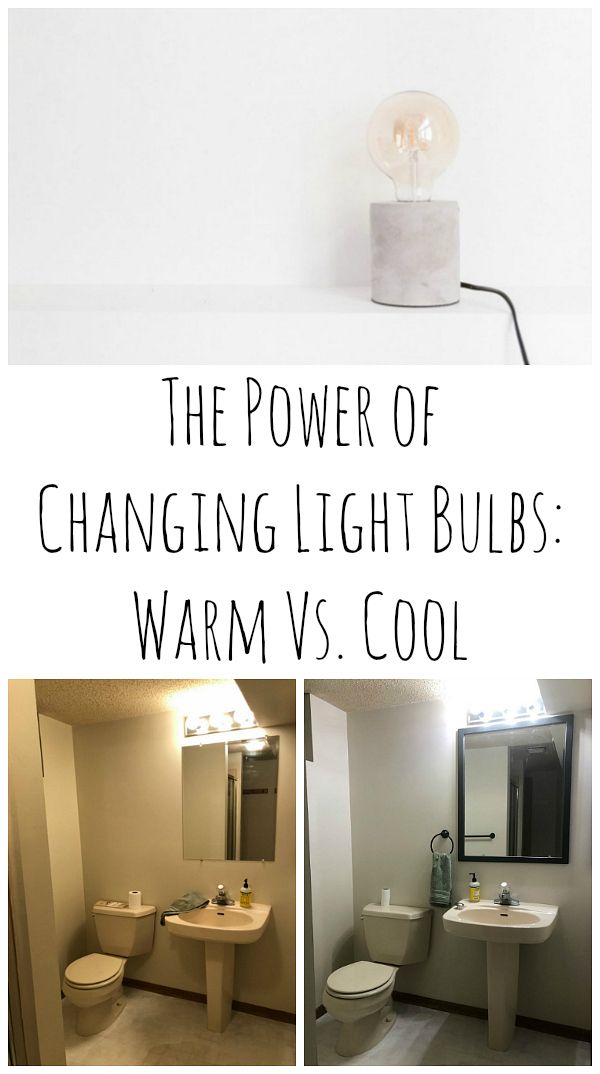


Exploring Soft Light
Soft light bulbs, on the other hand, emit a more neutral, gentle light. They typically fall within the 3500K to 4100K range on the color temperature scale. Soft light is often used in kitchens, bathrooms, and offices to create a bright, well-lit environment without being too harsh.
Soft light is also commonly used in photography and videography to create a flattering, natural-looking light. It's often described as having a "soft box" quality, which helps to minimize shadows and reduce contrast.
Fluorescent and Compact Fluorescent (CFL) Bulbs
Fluorescent and CFL bulbs are known for their energy efficiency and long lifespan. They typically emit a soft, cool light, with color temperatures ranging from 3500K to 5000K.


However, it's essential to note that some people find the light emitted by fluorescent and CFL bulbs to be too harsh or unnatural. Additionally, these bulbs contain mercury, making them less eco-friendly than LED bulbs.
LED Bulbs for Soft Light
LED bulbs can also produce soft light, with color temperatures ranging from 3500K to 4100K. LED bulbs offer the same energy efficiency and longevity benefits as other LED bulbs, without the environmental concerns associated with fluorescent and CFL bulbs.
Moreover, many LED bulbs are now designed to mimic the natural light cycle, gradually adjusting their color temperature throughout the day to support your body's circadian rhythm. This feature can help improve sleep quality and overall well-being.
In the end, the choice between warm and soft light bulbs ultimately depends on your personal preferences and the specific needs of your space. Consider the atmosphere you want to create, the tasks you'll be performing, and the overall aesthetic of your room when selecting the perfect lighting solution. By understanding the differences between warm and soft light, you can make an informed decision that enhances your living or working environment.
Related Articles
Warm Light vs Soft Light Bulb The Ultimate Showdown For Your Home
Choosing the right lighting for your home can feel overwhelming, especially when terms like warm light and soft light bulb appear in product descriptions...

Warm Light vs Soft Light: The Ultimate Guide to Choosing the Perfect Glow
When it comes to lighting, the terms "warm light" and "soft light" often pop up, but what do they truly mean? Both terms are used to describe different aspects...

Is Warm Light Better Than Cool Light The Ultimate Showdown
When it comes to choosing the right lighting for your space, one of the most common questions that arises is: is warm light better than cool light? The answer...

Warm Light vs Soft Light vs Daylight: The Ultimate Guide to Choosing the Perfect Home Illumination
Lighting plays a pivotal role in our daily lives, influencing mood, productivity, and even our perception of color. When it comes to artificial lighting, three...
Is Warm Light Better Than White Light The Ultimate Showdown
When it comes to lighting our homes and workspaces, the debate between warm and white light often arises. Both have their unique characteristics and benefits...
What Is Warm White in Light Bulbs: The Ultimate Guide
When you walk into a lighting store or browse online for a new bulb, the phrase warm white often appears on the packaging to describe a specific shade of...